Interest in backyard cottages has grown steadily in Seattle as homeowners look for ways to add rental income, create space for aging parents, or house adult kids in a city where housing costs stay stubbornly high. The good news: Seattle’s ADU rules have been significantly adjusted over the past several years and most single-family lots can now accommodate a detached accessory dwelling unit (a DADU) in addition to the primary home.
The less good news: the rules are complex, costs are substantial, and the timeline from idea to move-in is longer than most expect. Here’s our overview of what building a backyard cottage in Seattle actually involves in 2026.

Thinking About a Backyard Cottage in Seattle? Here’s What to Know in 2026
ADU vs. DADU: What’s the Difference?
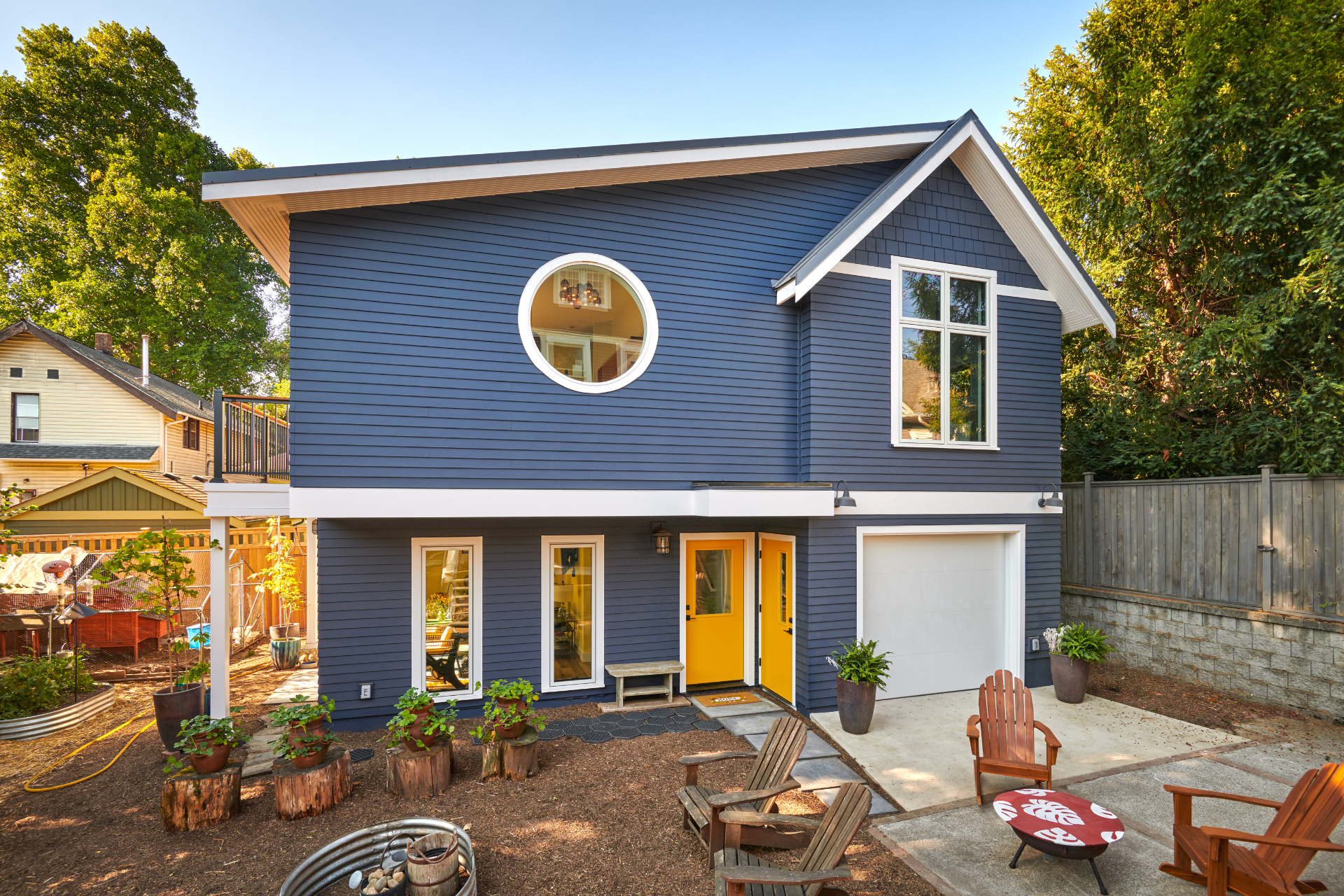
These terms are often used interchangeably, but they’re technically distinct. An ADU (accessory dwelling unit) is attached to the primary home. For example, this could be a basement apartment, an in-law suite above a garage, or a converted bonus room with its own entrance. A DADU (detached accessory dwelling unit) is a fully separate structure on the same lot, with its own foundation, walls, and roof. Backyard cottage is the common-language term for a DADU.
Seattle allows most single-family lots to have both an ADU and a DADU—meaning you could theoretically have your primary home, an in-law suite in the basement, and a separate backyard cottage on the same property. But whether that’s actually feasible depends on your lot size, configuration, and local zoning.

Seattle’s Current DADU Rules (2026)
Seattle’s ADU regulations have evolved considerably since 2019, when the city removed the owner-occupancy requirement and began allowing two accessory units per lot. Here’s what the key rules look now in 2026. Because zoning regulations can change and vary by specific lot conditions, always confirm current requirements with SDCI or your design-build team before making decisions.
Lot eligibility
Most lots zoned as single-family are eligible for a DADU. The specific lot area, width, and existing development on the property affect what’s possible. A consultation with an experienced team who can pull your parcel’s zoning data is the best way to understand your options.
Size limits
DADUs in Seattle are generally limited to 1,000 square feet of living area or 60% of the primary dwelling’s square footage if the primary dwelling is smaller than 1,000 square feet, whichever is less. This results in most backyard cottages landing in the 600–1,000 sq ft range, which is enough for a comfortable one- or two-bedroom unit.
Height limits
Height limits for DADUs depend on the structure’s design. A DADU with a pitched roof can typically reach up to 24 feet at the peak. Flat-roofed or low-slope designs are generally held to a lower limit. These limits interact with setback requirements and lot topography, so a sloped lot changes things.

Setbacks
DADUs must maintain setbacks from property lines, typically five feet from the rear and side property lines, though this can vary by zone and specific lot conditions. The setback requirement directly affects where on the lot a DADU can be placed, and on narrower lots or lots with existing accessory structures, it can significantly constrain the buildable area.
Lot coverage
All structures on a lot (the primary home, garage, DADU, any other covered structures) count toward the lot’s total coverage limit. In most single-family zones, lot coverage is capped at 35% of the lot area. If your lot already has a large primary home and an existing garage, the remaining lot coverage for a DADU may be limited.
No owner-occupancy requirement
This is the rule change that opened up the most financial opportunity. Seattle removed the owner-occupancy requirement for ADUs and DADUs in 2019. You no longer need to live on the property to rent out a DADU—or to rent both your primary home and the DADU simultaneously. This makes backyard cottages a viable investment property strategy, not just a multigenerational housing solution.

What Can You Use a DADU For?
Flexibility is one of the most appealing aspects of building a backyard cottage. Common uses include:
- Long-term rental: A 600–800 sq ft backyard cottage in a desirable Seattle neighborhood can command meaningful monthly rent. For many homeowners, this income helps offset mortgage costs or the cost of the DADU itself.
- Multigenerational living: Great for aging parents who want to be near family, but maintain their independence or adult children who want their own space in an expensive market. A DADU creates genuine independence without requiring a separate property.
- Home office or studio: Another great use is a detached workspace that’s separate from the house. Note: a structure built solely as an office (without a kitchen or bathroom meeting full DADU standards) may have different permit requirements and cost less to build.
- Guest suite: A private space for visiting family or friends keeps everyone comfortable and gives the household some breathing room.

What Does a DADU Cost to Build in Seattle?
Many homeowners are surprised by this: a fully permitted, design-built backyard cottage in Seattle that includes a kitchen, bathroom, and all the systems required for an independent living unit typically costs between $500,000 and $750,000 in the current market.
What drives cost within that range:
- Size: A 600 sq ft cottage costs less to build than a 1,000 sq ft one, though the per-square-foot cost is often higher at smaller sizes because fixed costs (foundation, systems, permitting) don’t scale down proportionally.
- Site conditions: A flat lot with easy equipment access costs less to build on than a steeply sloped lot that requires extensive grading, retaining walls, or crane access. Site preparation can vary by tens of thousands of dollars.
- Utility connections: A DADU needs its own electrical panel, plumbing connection, and often a gas service. The cost of these connections depends on how far the new structure is from the existing utilities and what upgrades the main service requires.
- Finish level: Cabinetry, countertops, flooring, fixtures, and appliances all vary significantly in cost. A DADU with standard finishes costs less than one with the same material selections as your main house.
For a detailed breakdown, download our free DADU Pricing Guide which covers cost ranges based on real Seattle projects, with specifics on what drives each variable.
How Long Does It Take?
A DADU project with CRD typically takes twelve to fourteen months from the start of design through construction completion. Here’s how that breaks down:
- Design phase: 4-6 months. This is where the floor plan, exterior design, material selections, and all the details get worked out. It’s also where the permit application is prepared.
- Permitting: 6-10 weeks for SDCI review. New detached structures go through standard review, and correction cycles (which are common) can extend this.
- Construction: 6-9 months depending on the size and complexity of the build, plus site conditions.
The timeline is real and it affects financial planning. If you’re counting on rental income from a backyard cottage to start at a certain date, plan your project start date accordingly.

CRD’s Backyard Cottage Projects
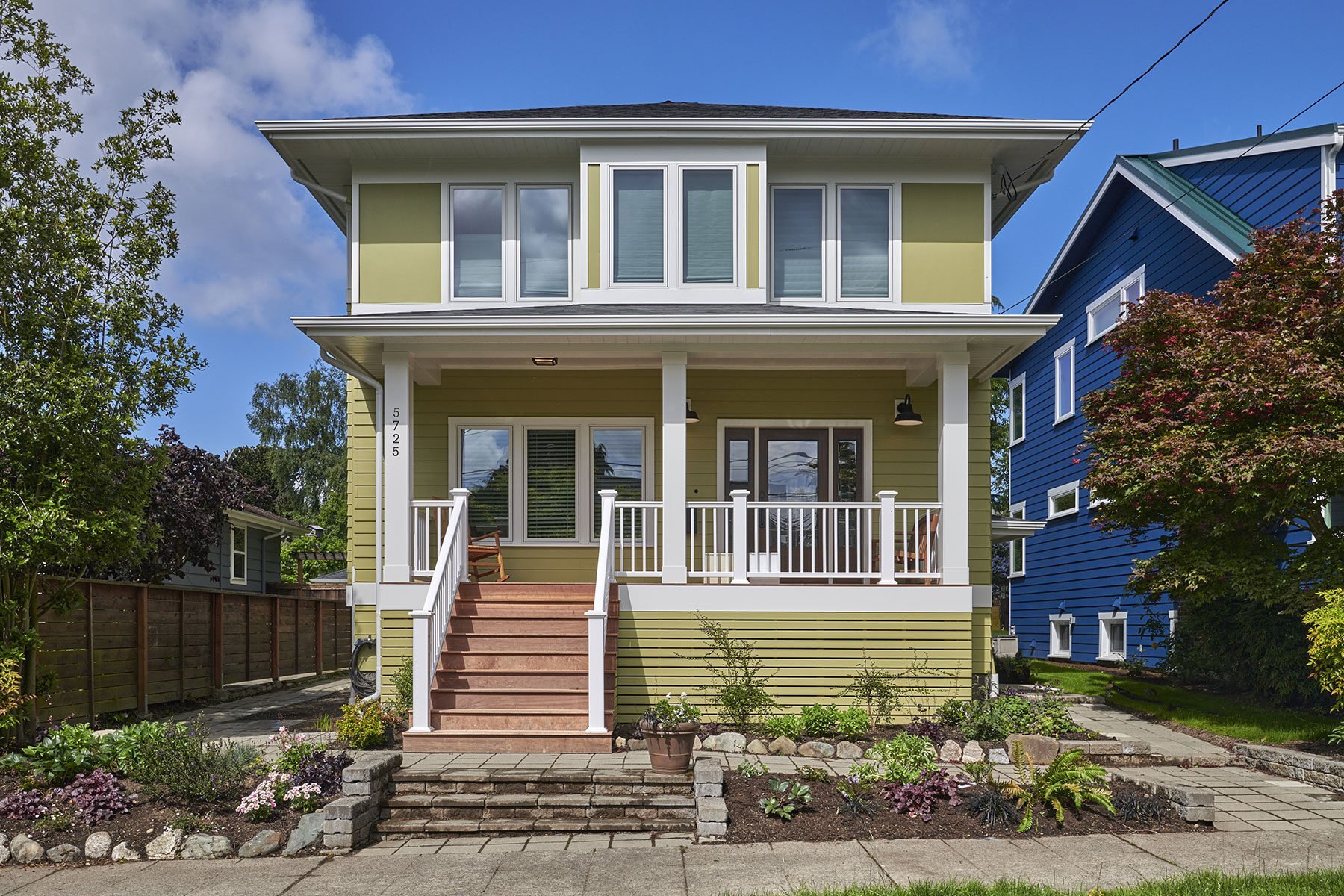
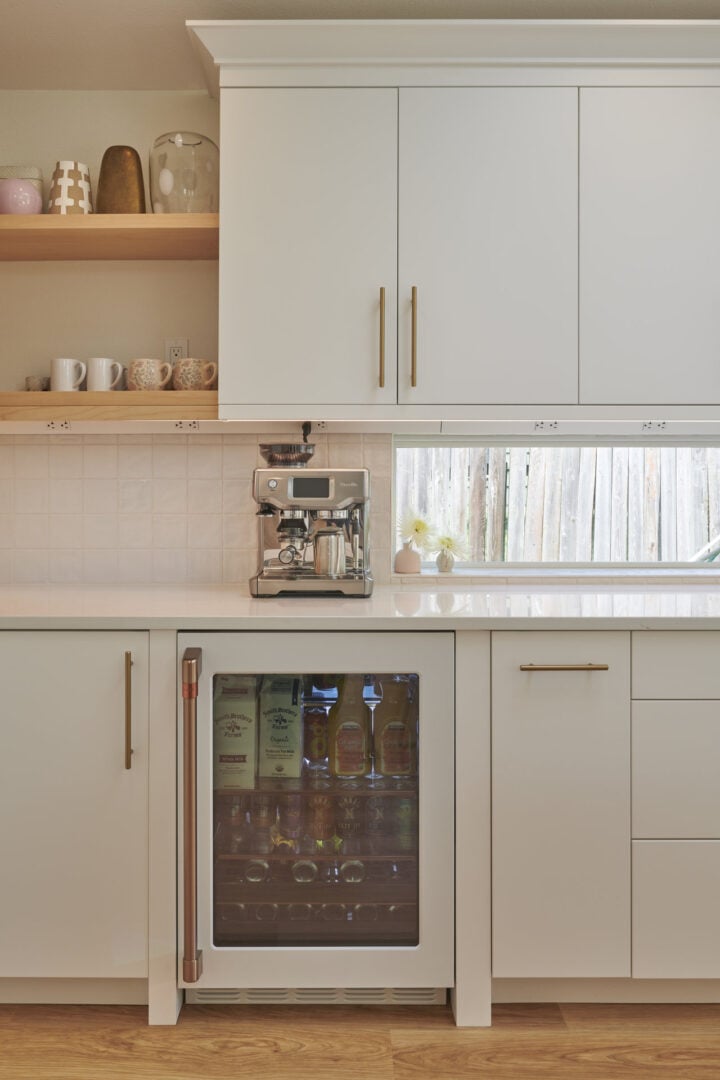
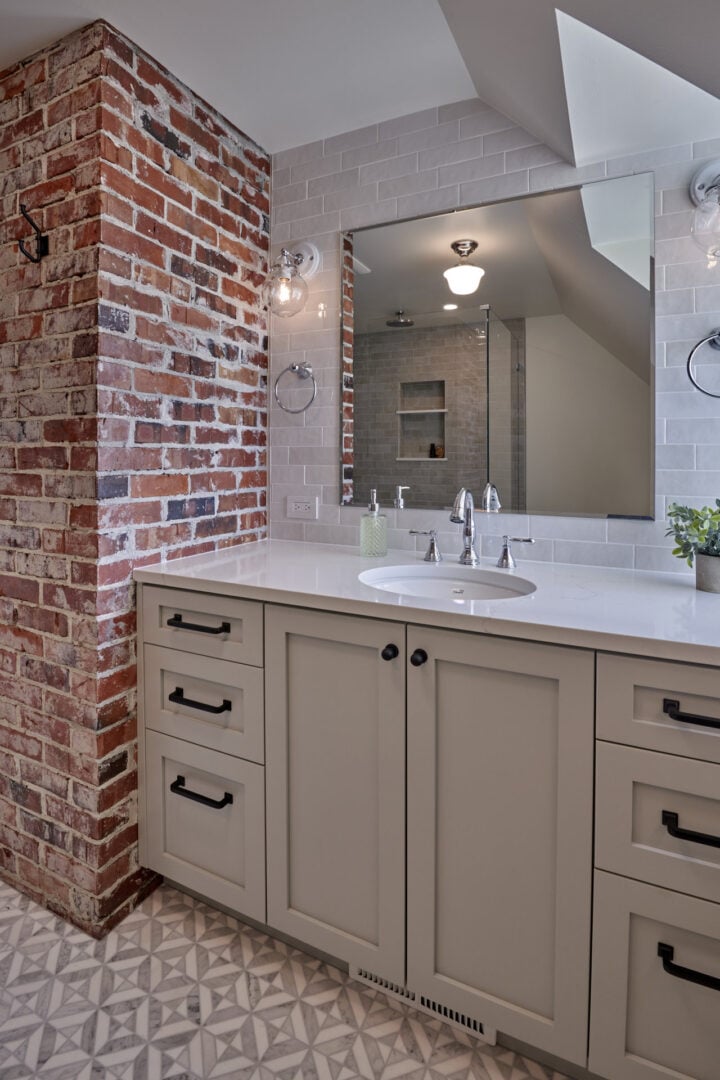
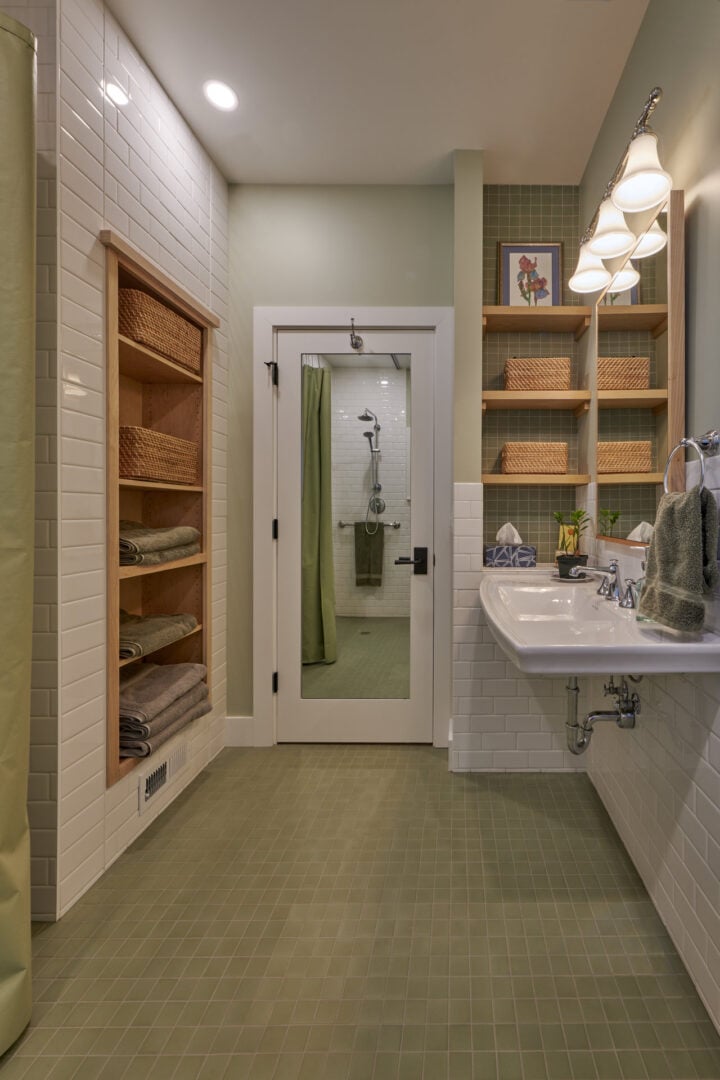
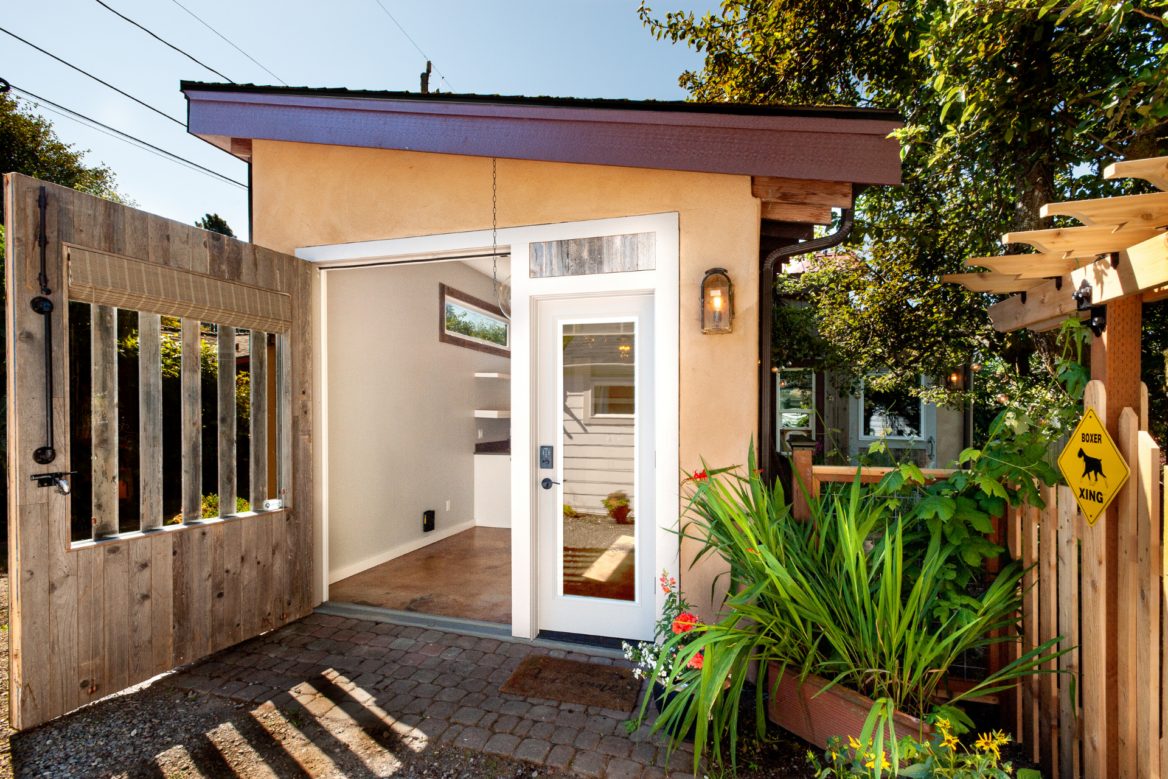
We’ve designed and built backyard cottages across Seattle, including a garage conversion in Greenwood, a new detached cottage in Queen Anne, and a DADU in Wallingford. Each project reflects a different approach to the same challenge: adding a livable, well-designed independent space to an existing Seattle property without overwhelming the lot or the main home.
Our design-build approach means the same team handles everything from the first site visit through the final inspection: design, permitting, and construction. For a project as complex as a DADU, that continuity makes a meaningful difference!
Contact CRD Design Build to schedule a consultation. We’ll assess your lot, walk through the rules that apply to your specific property, and give you a realistic picture of what’s possible.