Kitchen Pricing Guide
Discover the average cost of a Seattle kitchen remodel with tiered pricing based on whether you want a refresh, full renovation, or your dream kitchen.
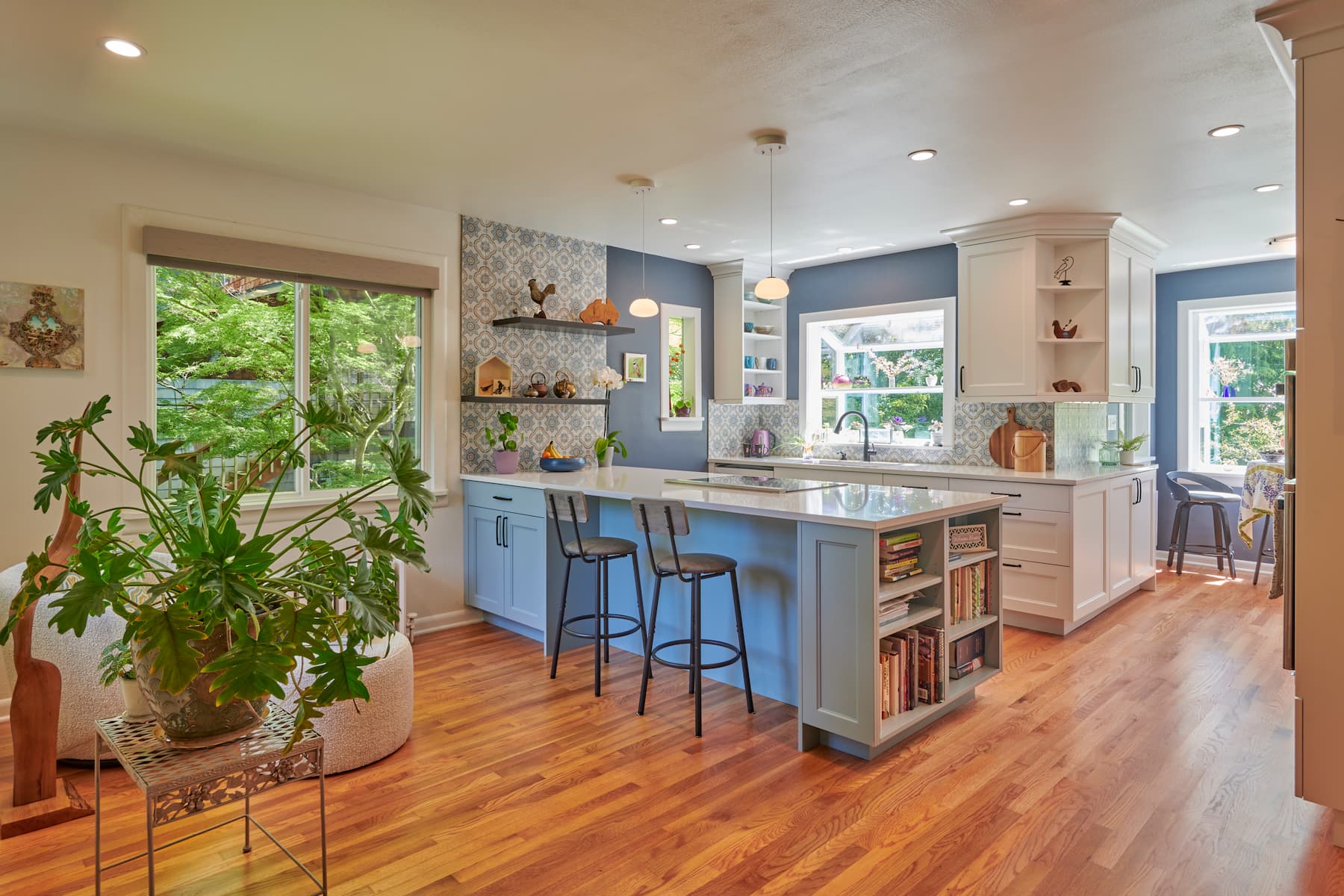
Our Pricing Guides offer a helpful starting point, with price ranges based on Seattle building costs and hundreds of CRD projects. Because every home and vision is unique, these guides are just the beginning. When you’re ready, we’re here to talk through your ideas and provide clear, custom pricing without guesswork or surprises.
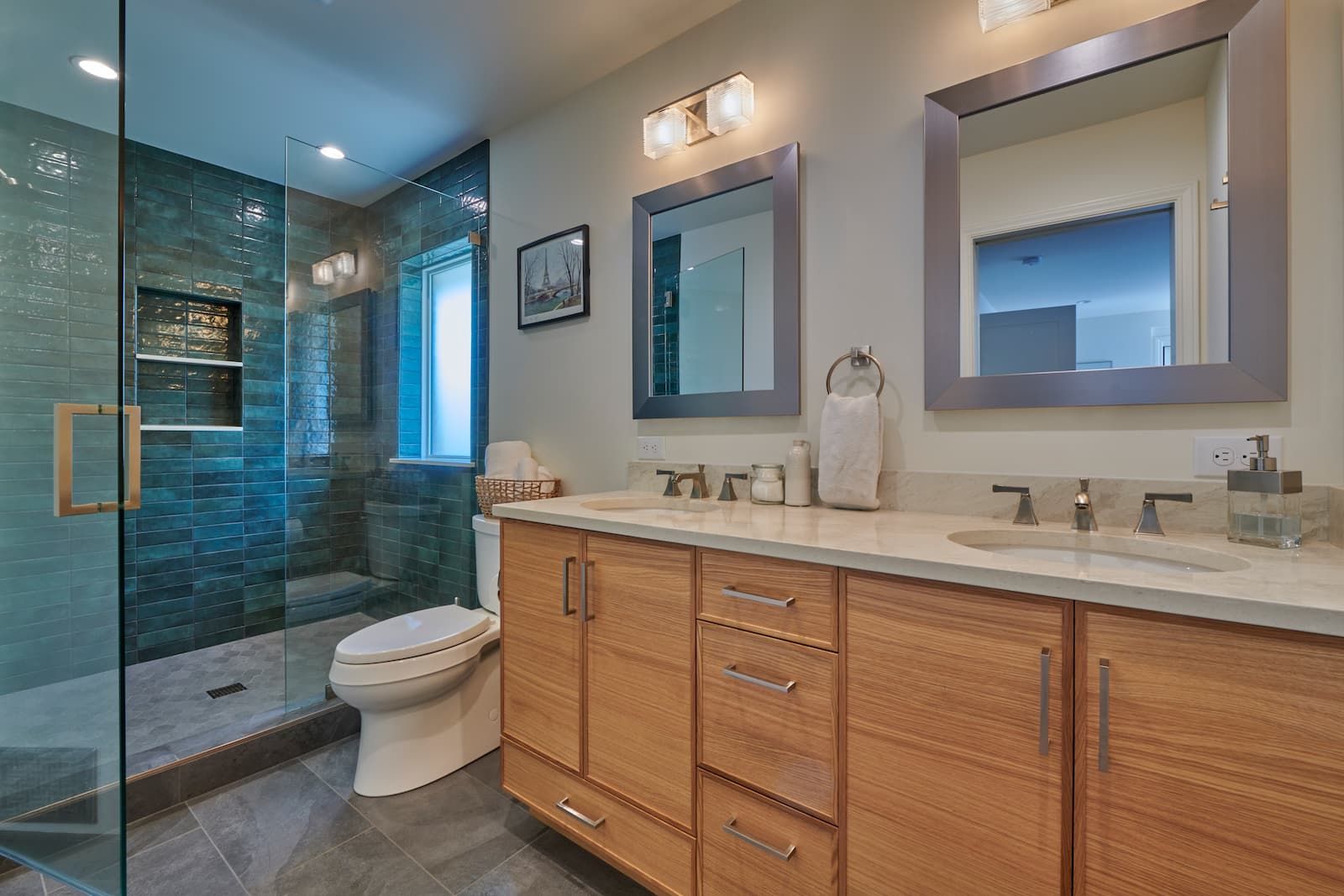
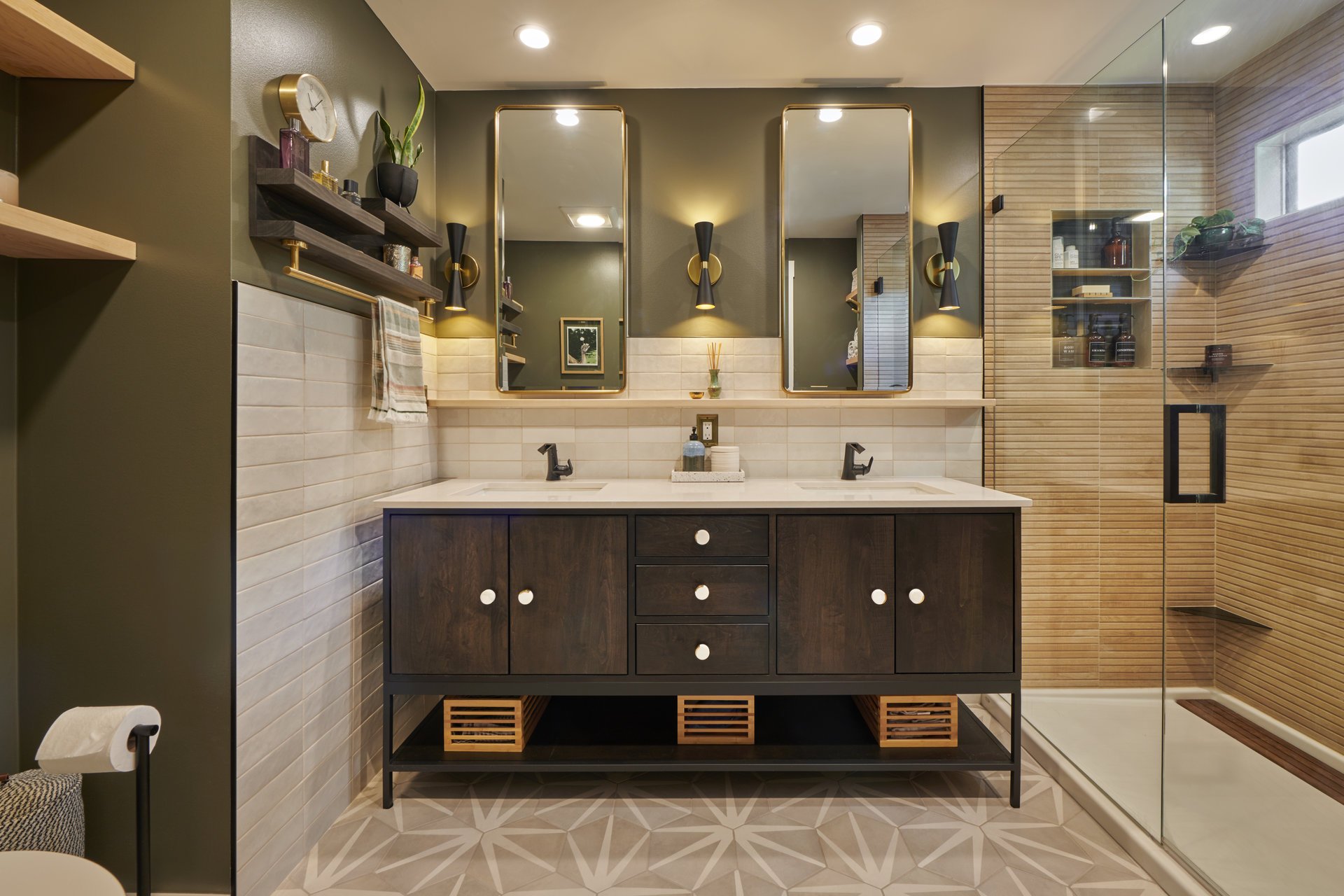
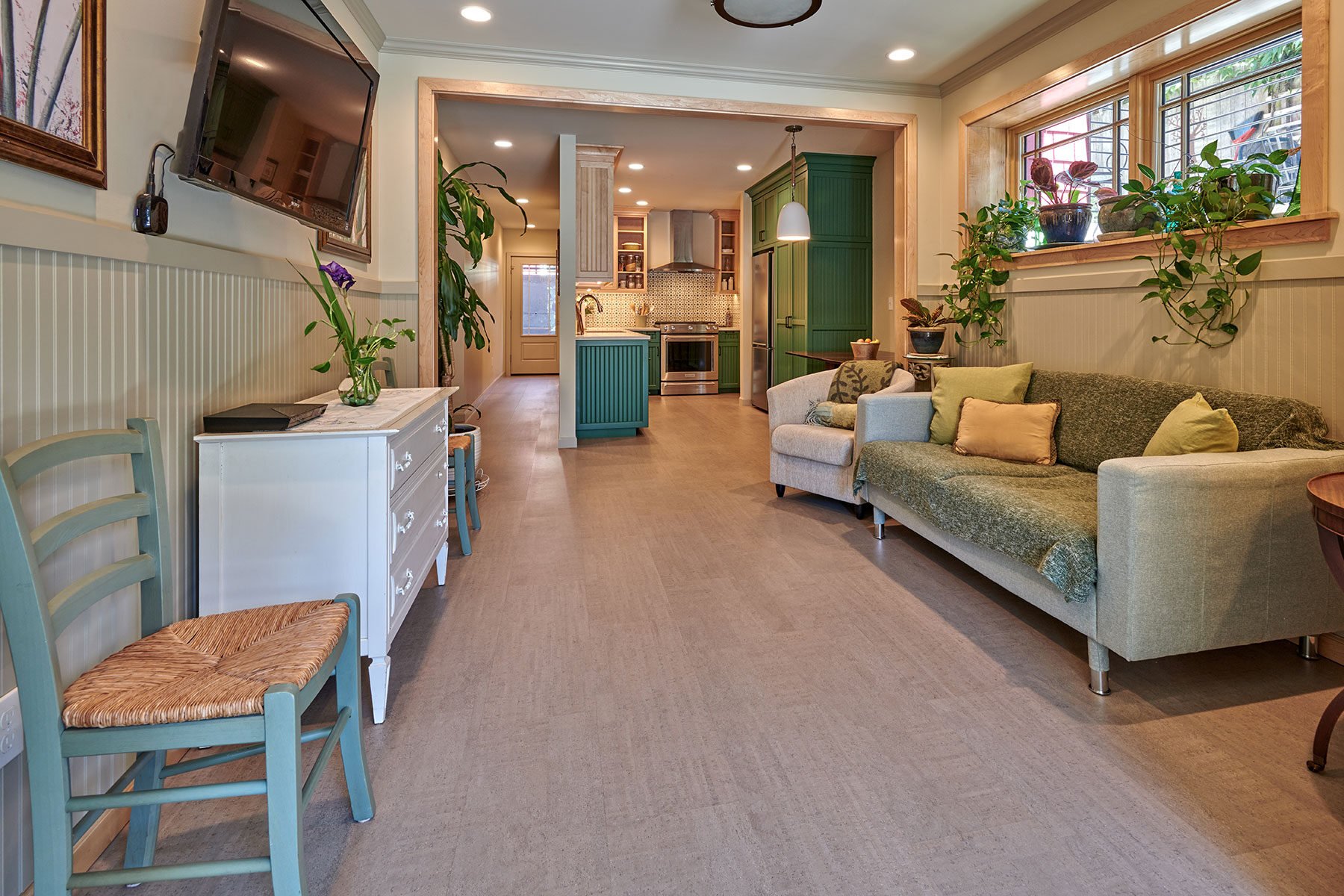
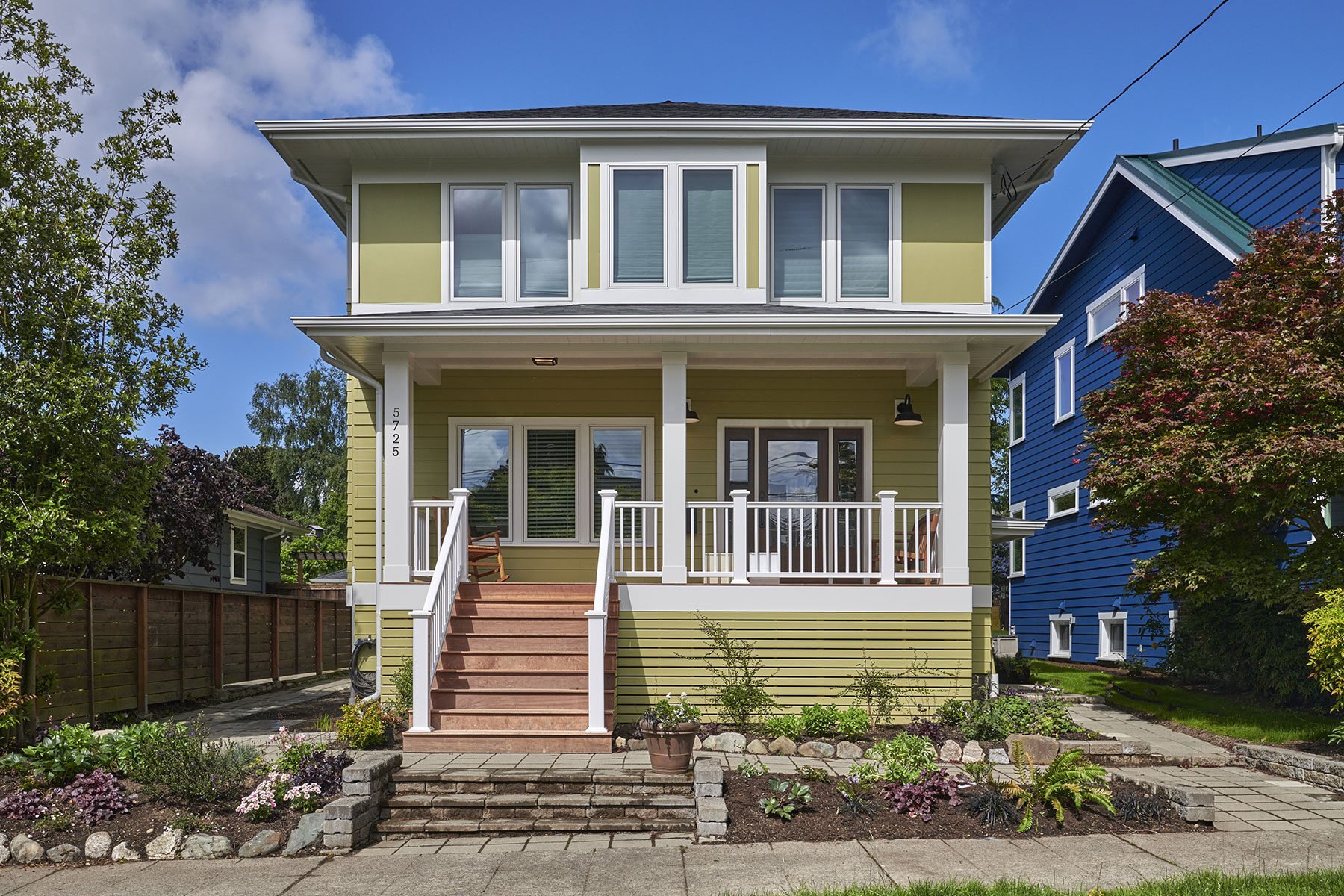
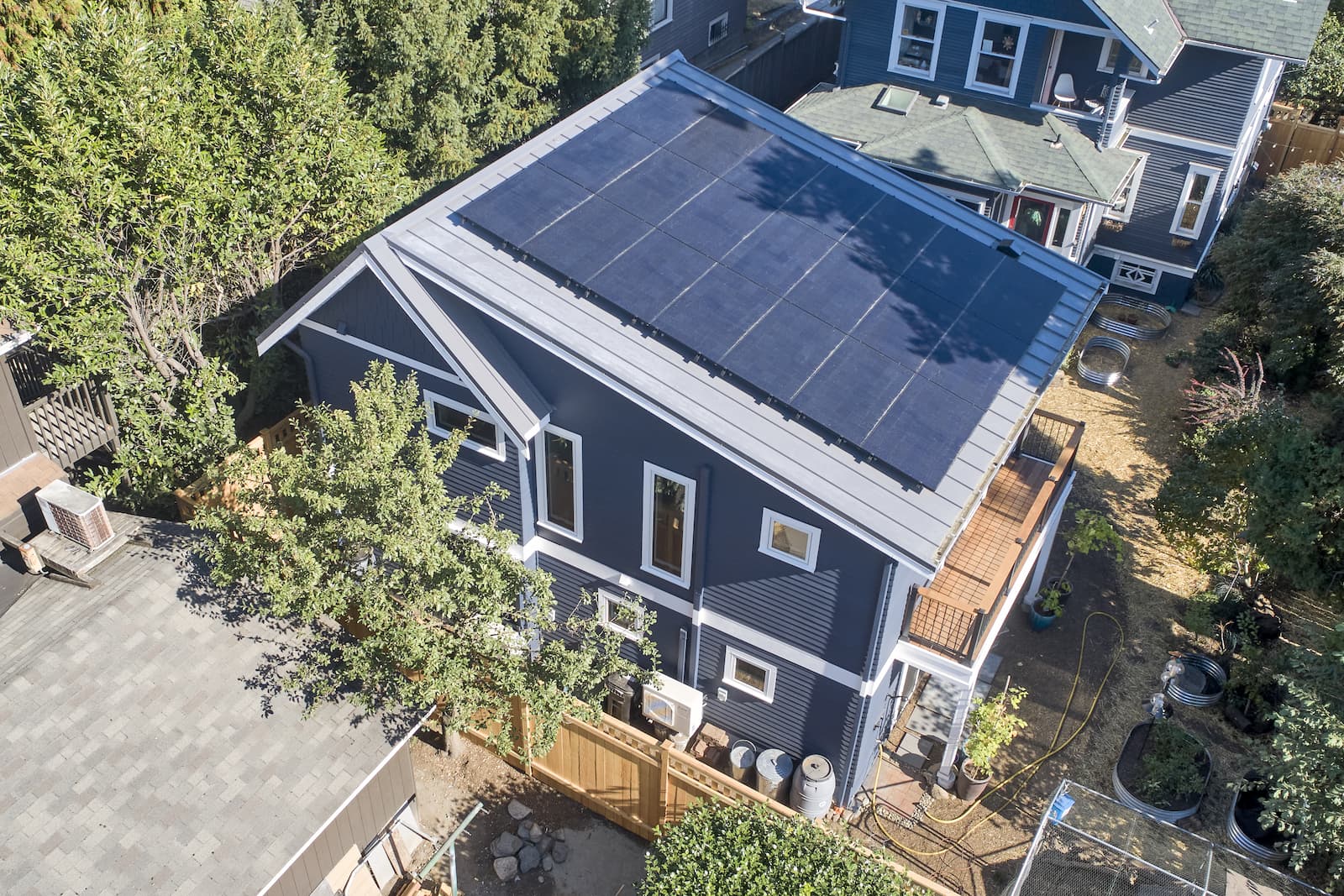


Three things drive what a Seattle remodel actually costs: how much of the home you’re touching, what’s hiding behind the walls, and what you put back in.
A refresh keeps the existing footprint — new cabinets, countertops, and finishes in the same locations. A full renovation changes the layout: walls move, plumbing and electrical relocate, and the project scope (and timeline) grows accordingly. Whole-home and addition work operates at a different scale again, with foundation, roof tie-in, and code-upgrade requirements all in play. The pricing guides above outline realistic ranges for each.
Seattle’s housing stock skews old. Once we open walls in a Craftsman, Tudor, or Mid-Century home, common cost drivers include knob-and-tube wiring, galvanized supply lines, foundation settling, asbestos and lead paint, and undersized electrical panels that can’t support modern loads. A 10–15% contingency on older homes covers the vast majority of these surprises.
The same kitchen layout can be built three different ways at three different prices, and the difference comes down to selections. Cabinetry is almost always the largest line item, followed by countertops, then plumbing fixtures and tile. Semi-custom cabinets, quartz countertops, and mainstream fixture lines anchor the lower end; fully custom mill work, natural stone, and designer plumbing specifications push the upper end. Selections are the lever you control most, and we make those tradeoffs transparent during the design phase, before anything is ordered.