Wallpaper is having a major moment in home design—and we love seeing it pop up in bold entryways, cozy bedrooms and stylish powder rooms. But when it comes to bathrooms, especially ones with showers and high humidity, homeowners often ask: Is wallpaper really a good idea for a bathroom?
The short answer: It can be! But not without some planning, the right materials and expert installation.
At CRD Design Build, we’ve worked with many Seattle homeowners who want to add personality to their bathroom remodels—and wallpaper can be a great way to do that. Below, we’ll walk you through the pros, cons, and best practices so you can decide whether bathroom wallpaper is right for your space.
Should You Use Wallpaper in a Bathroom? Design Tips & Mistakes to Avoid
The Pros of Using Wallpaper in a Bathroom
1. Instant Style Upgrade
Wallpaper offers a level of pattern, texture and personality that paint simply can’t match. Whether you want a bold floral, a modern geometric or a soothing botanical motif, wallpaper adds a wow factor that elevates even the smallest bathroom.
2. Great for Powder Rooms
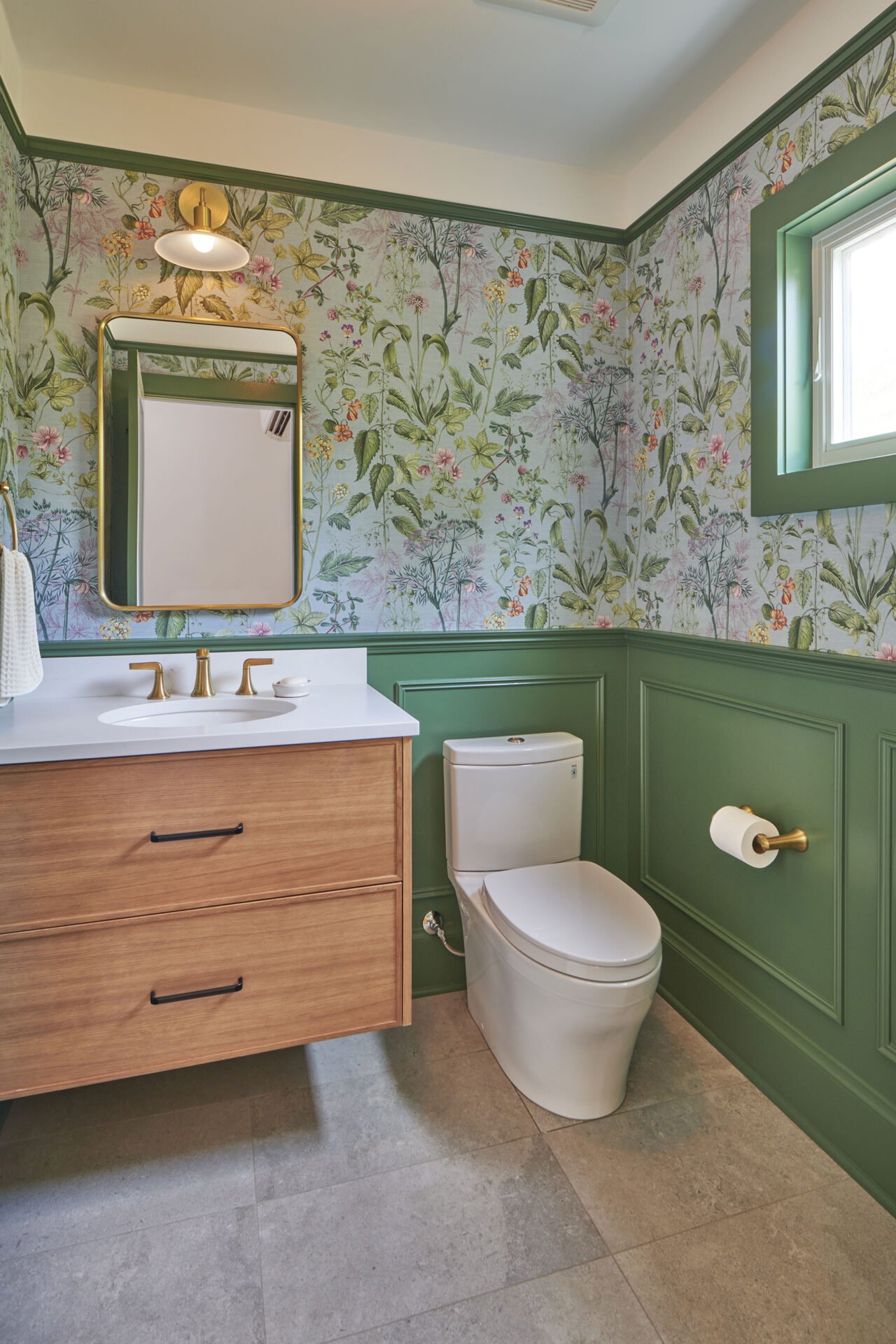
Low-moisture bathrooms (like powder rooms without a shower or tub) are ideal candidates for wallpaper. Since humidity isn’t as much of an issue, you have more flexibility in the type of wallpaper you choose—and you can even go bolder with your design since these rooms are often used by guests.
3. Creative Accent Walls
Wallpaper doesn’t have to cover the whole room. A single accent wall, behind the vanity or tub, can create visual interest without the commitment (or moisture exposure) of wallpapering the entire bathroom.
4. Adds Warmth and Personality
Tile and hard surfaces dominate most bathroom designs. Wallpaper adds a layer of softness and warmth, helping the space feel more finished, cozy and design-forward—especially when balanced with updated lighting and sleek fixtures.
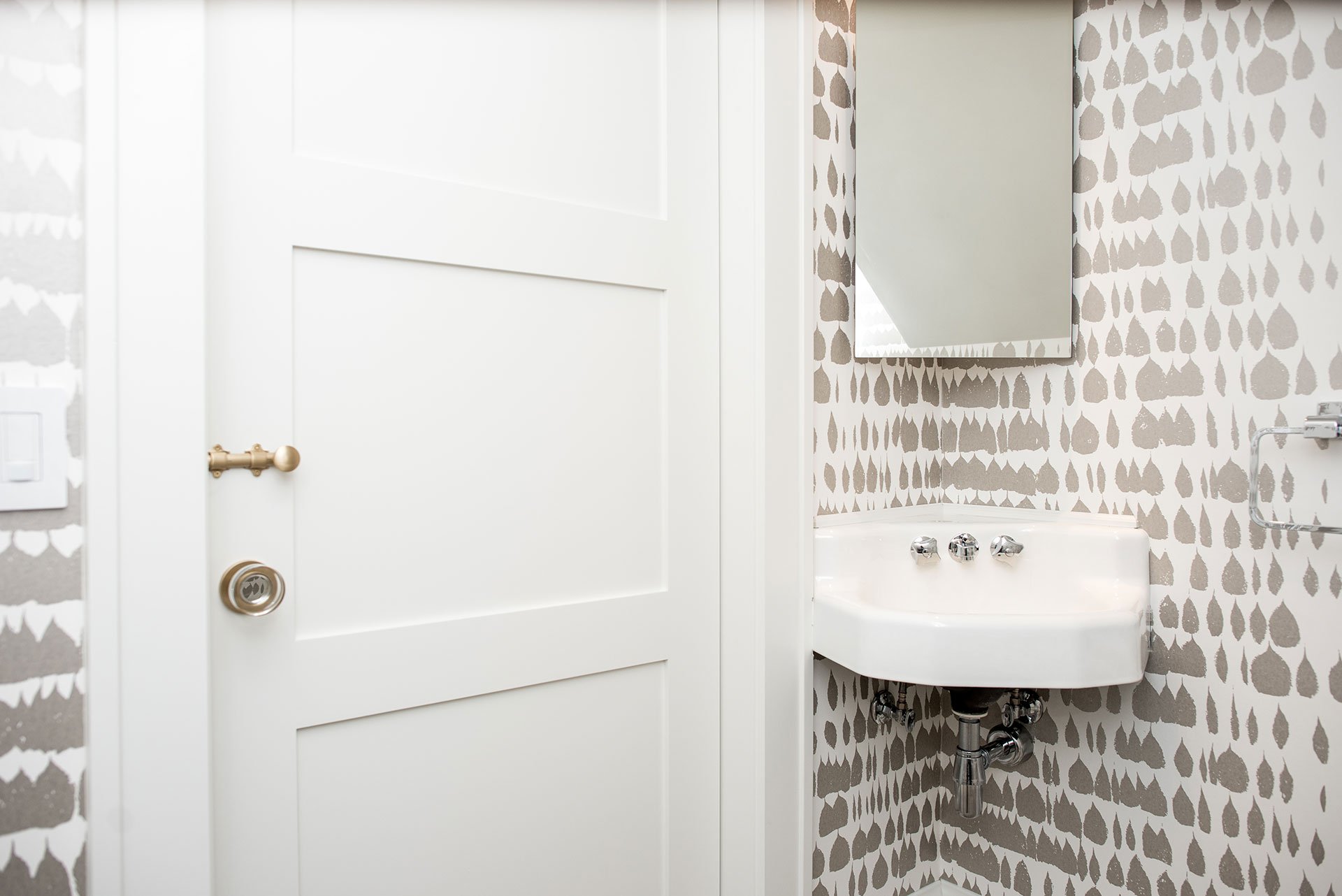
The Cons of Bathroom Wallpaper (and How to Avoid Them)
1. Moisture Damage
Bathrooms are naturally humid—especially full baths with tubs or showers. Steam and moisture can cause wallpaper to peel, bubble or mold over time if it’s not the right material or isn’t installed properly.
Solution: Use vinyl-coated, moisture-resistant wallpaper specifically designed for high-humidity environments. These hold up much better than traditional paper-based wallpapers.
2. Poor Adhesion
Even high-quality wallpaper can fail if it’s installed on the wrong surface or with the wrong adhesive. Bathrooms require special attention to wall prep and adhesive types.
Solution: Have your wallpaper professionally installed or follow manufacturer instructions carefully. Using a mold-resistant adhesive and proper primer is key.
3. Cleaning Challenges
Traditional wallpaper can stain or tear if it gets splashed or if moisture builds up.
Solution: Look for washable wallpaper that can be wiped down without damaging the print. This is especially important near sinks and in bathrooms used by kids.
Best Practices for Using Wallpaper in Bathrooms
Ready to try wallpaper in your bathroom? Here’s what we recommend for long-lasting results:
Choose the Right Type of Wallpaper
Look for:
- Vinyl-coated wallpaper – the most durable and moisture-resistant
- Peel-and-stick wallpaper – easy to install and remove (great for temporary updates)
- Non-woven wallpaper – breathable and mildew-resistant
Bonus Tip: Avoid uncoated paper or grasscloth wallpaper in full bathrooms unless you’re using it in a completely dry zone.
Prep the Walls Properly
The wall surface should be:
- Clean and dry
- Free from flaking paint or old wallpaper glue
- Primed with a mold- and mildew-resistant primer
Good prep ensures the wallpaper sticks evenly and lasts longer.
Ventilation Is Everything
Proper ventilation, like a high-quality bathroom exhaust fan, is essential for keeping humidity down and protecting your wallpaper. Don’t have one? Add it to your bathroom remodel plans. Trust us, it’s more than worth it!
Stick to Dry Zones
If you want wallpaper in a full bathroom, place it in areas that don’t receive direct moisture, like:
- Behind a vanity with no backsplash
- On the upper half of the wall (with tile on the lower half)
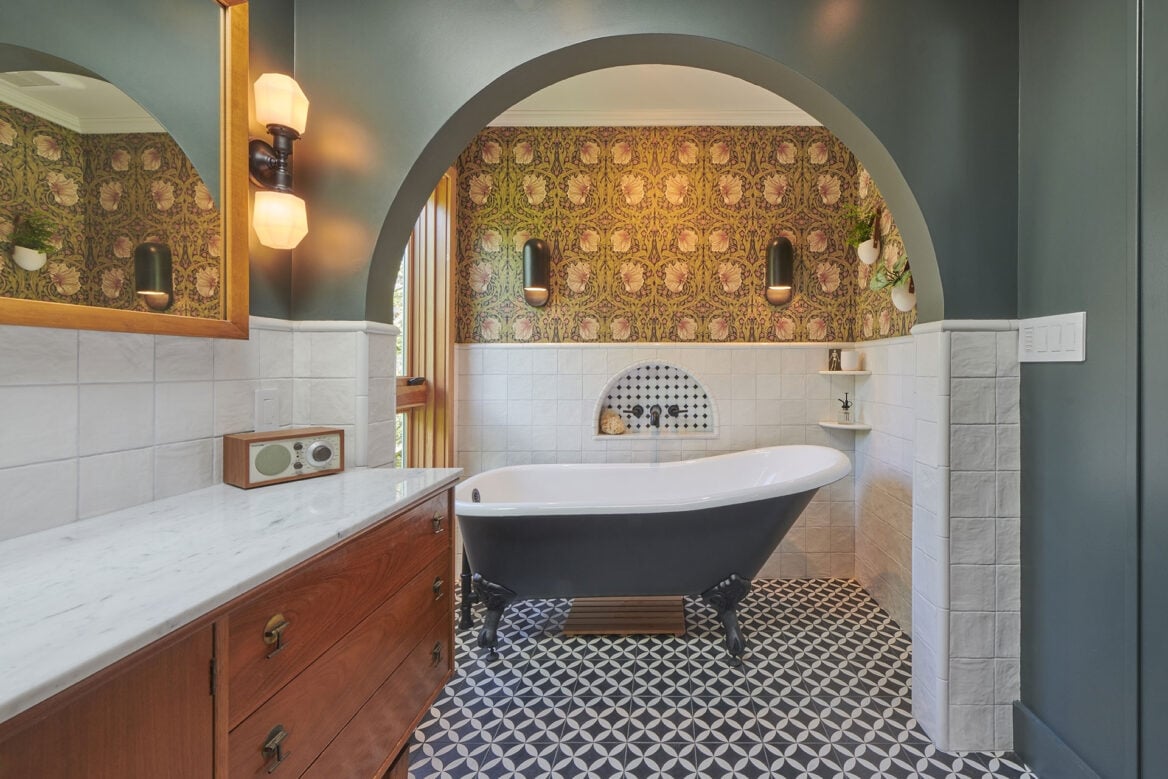
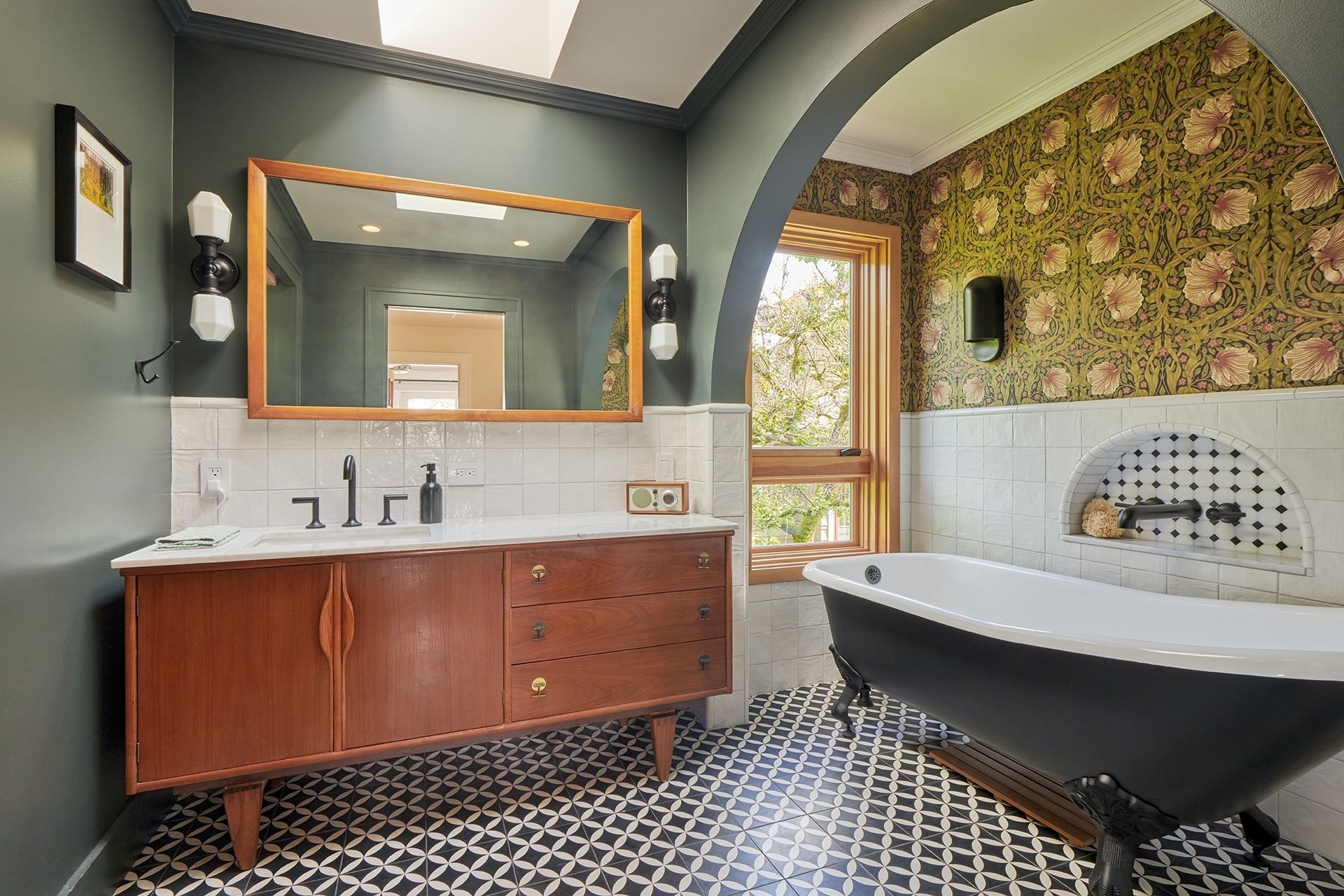
- Around a freestanding tub (as long as it’s not a daily-use shower/tub combo)
- In a water closet or toilet nook
Design Tips: Where Wallpaper Works Best in a Bathroom
Looking to make a visual statement? Try these design-forward ideas:
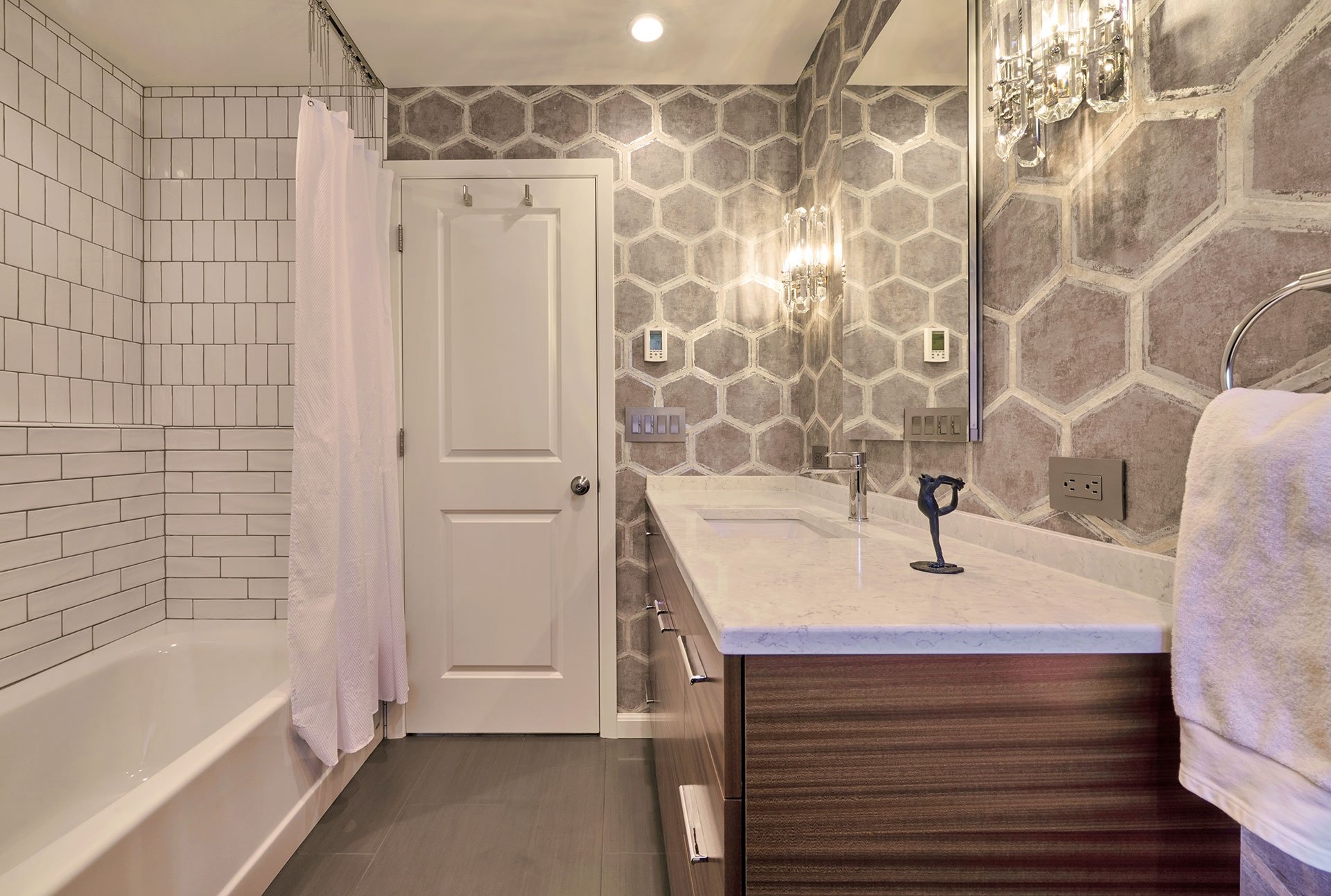
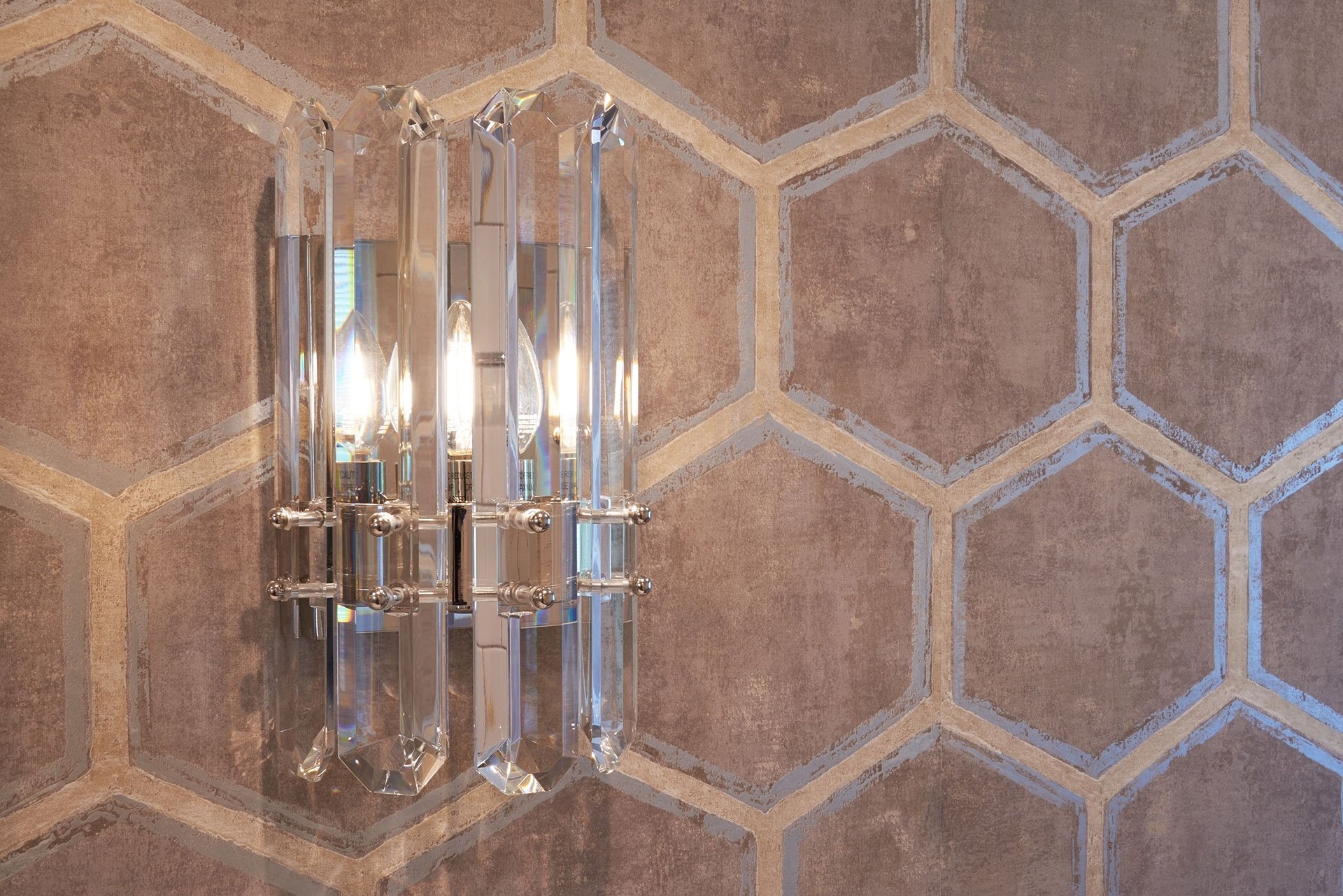
- Bold Wallpaper in a Small Powder Room: Don’t be afraid to go dramatic! Try large-scale florals, metallic accents or whimsical prints.
- Classic Patterns for a Spa-Like Primary Bath: Soft stripes, botanical prints or textured wallpaper can elevate a serene space.
- Accent Wall Behind a Freestanding Tub: A high-impact wallpaper makes a beautiful backdrop in a master bath (as long as it’s well-ventilated!).
- Mix With Tile: Use wallpaper on the upper part of the wall and tile below for a balanced, moisture-safe design.
Final Verdict: Is Bathroom Wallpaper Worth It?
Yes—with the right materials and prep, wallpaper can absolutely work in a bathroom! It’s a fantastic way to infuse personality into your space, especially in half baths or areas with limited tile.
Just remember:
- Use moisture-resistant wallpaper
- Prep and install with care
- Avoid splash zones when possible
- Keep your ventilation strong
At CRD Design Build, we help Seattle homeowners design bathrooms that are both beautiful and built to last. Whether you want to explore wallpaper, update your tile or reconfigure your entire layout, our in-house design and construction team will help you make smart, stylish choices that suit your space.
Ready to transform your bathroom? Schedule a complimentary discovery call with our team today—we’d love to hear about your ideas (wallpaper included).