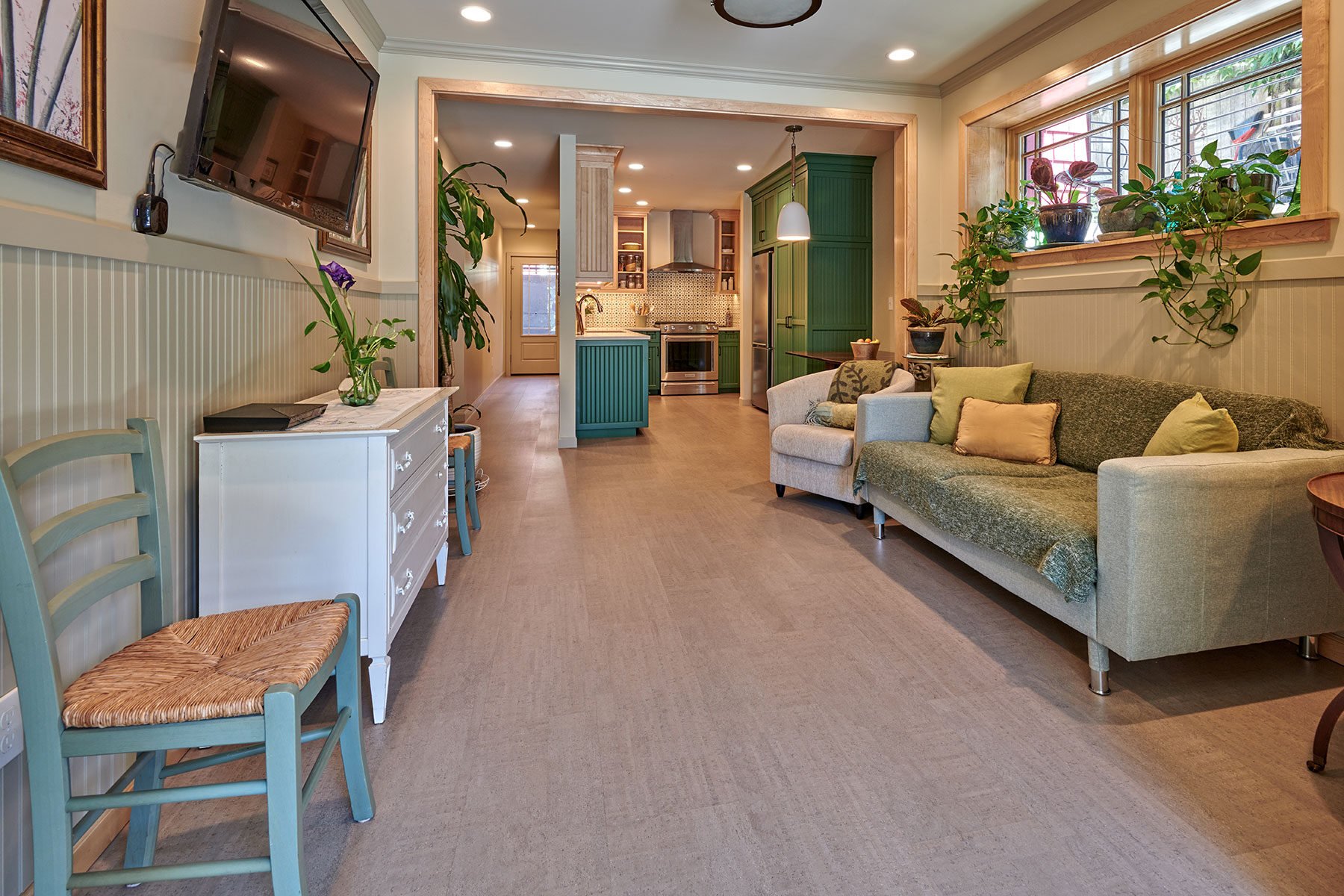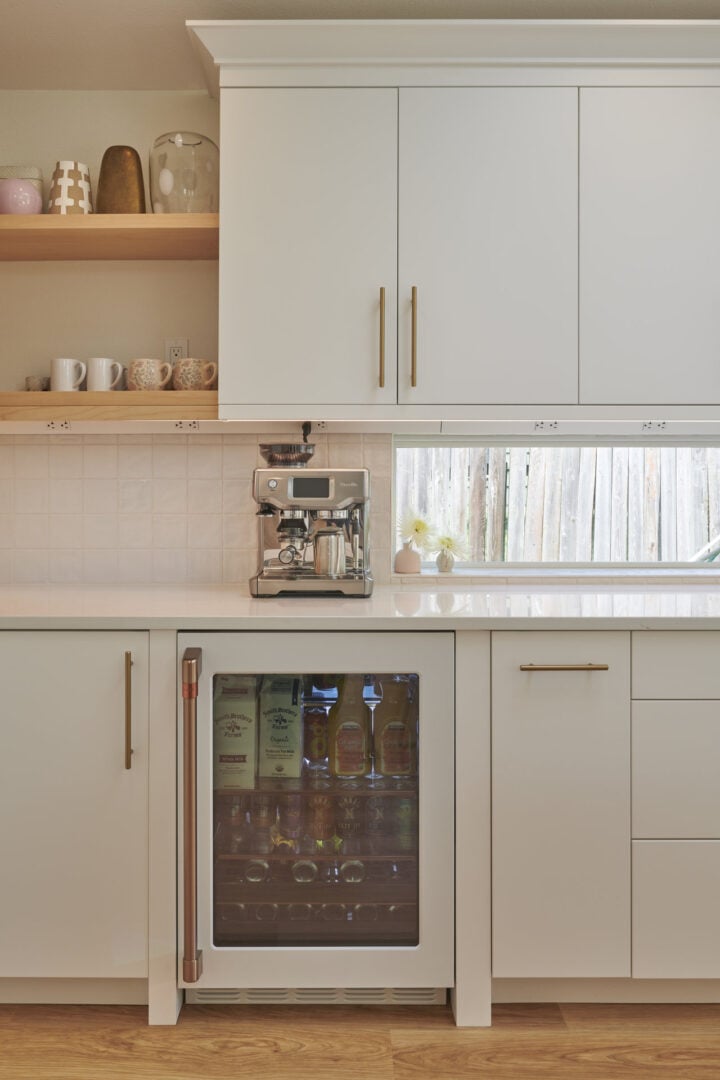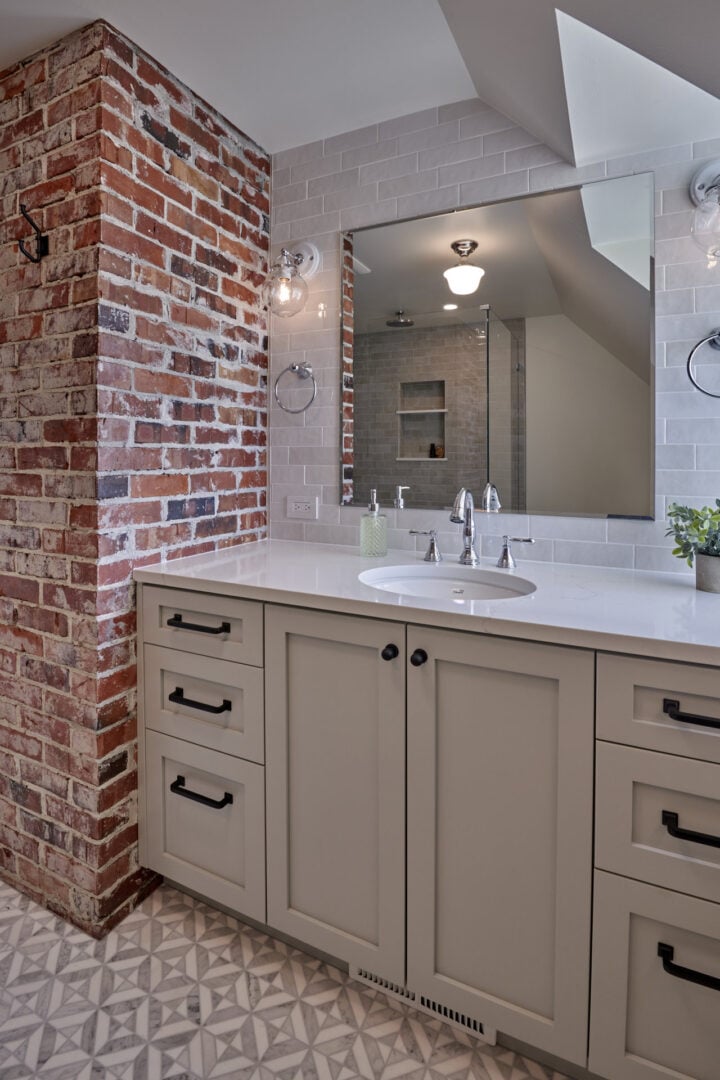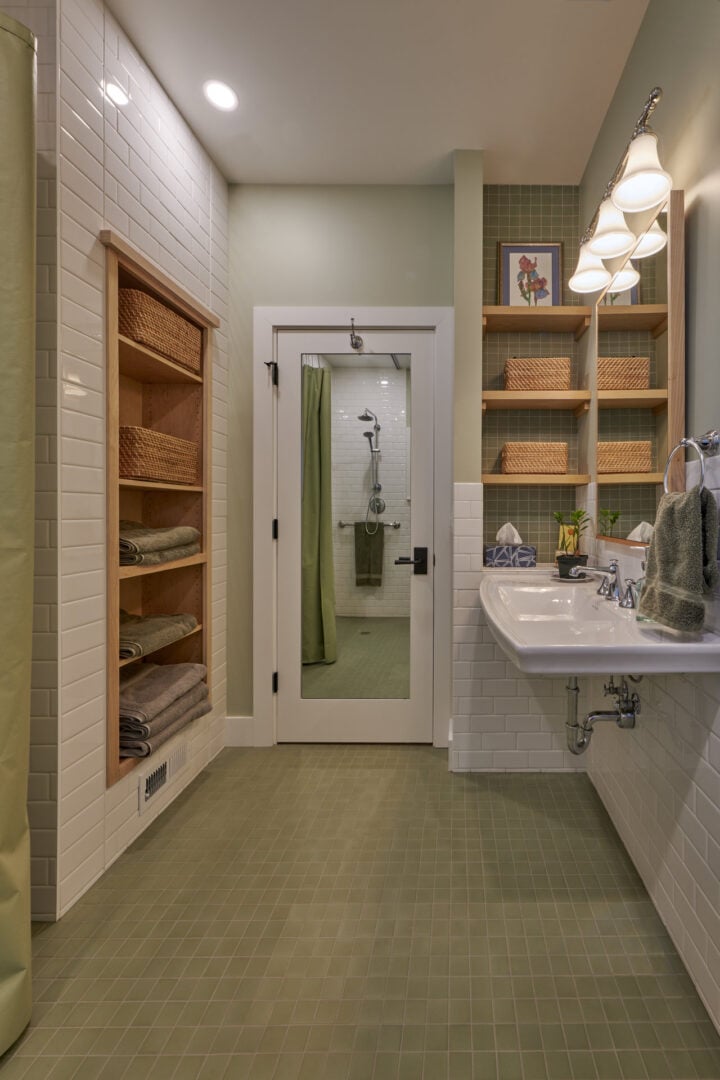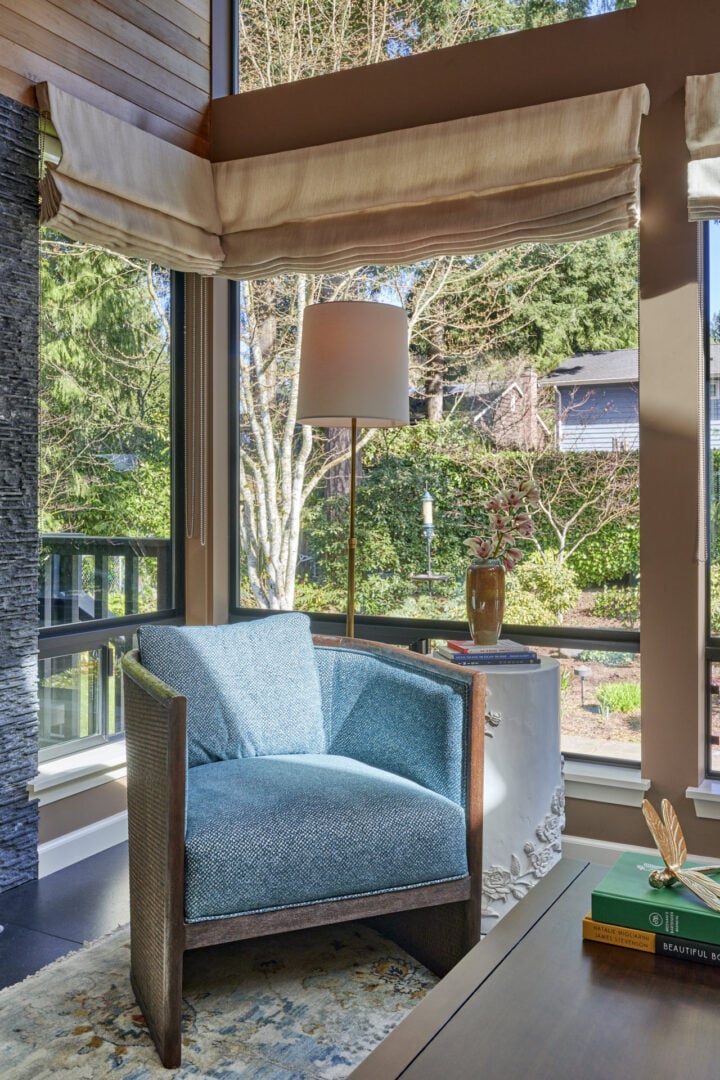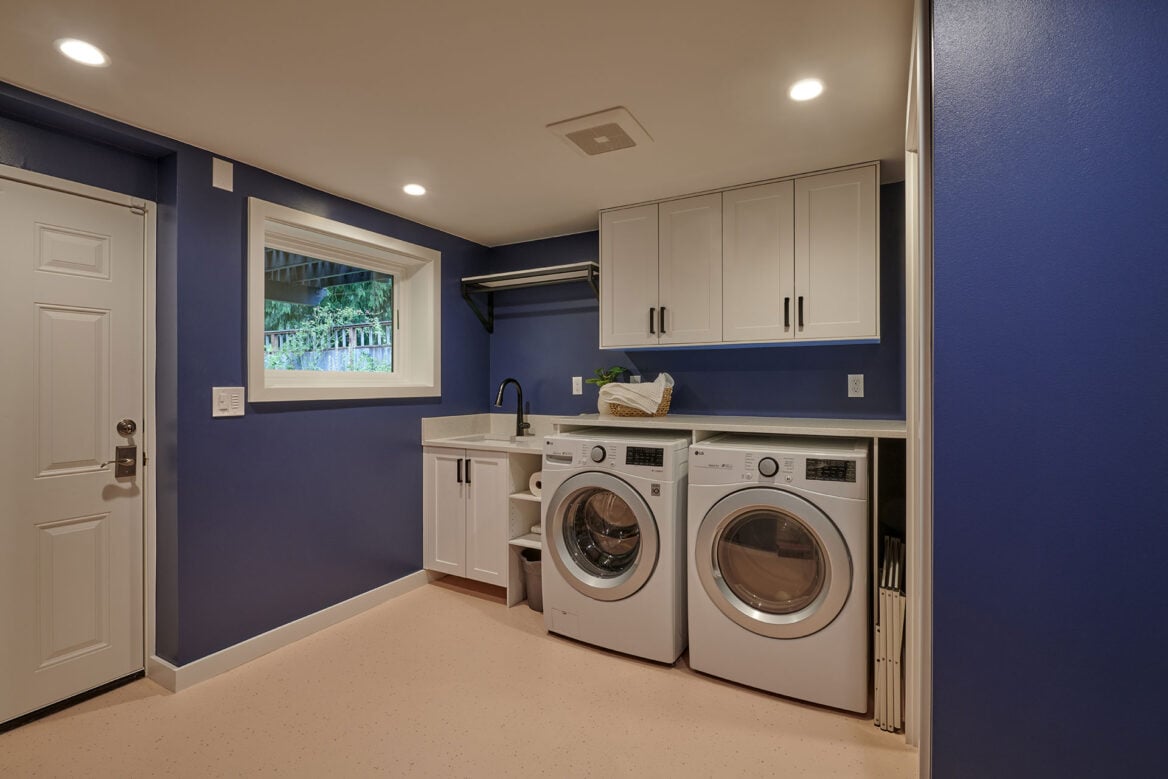
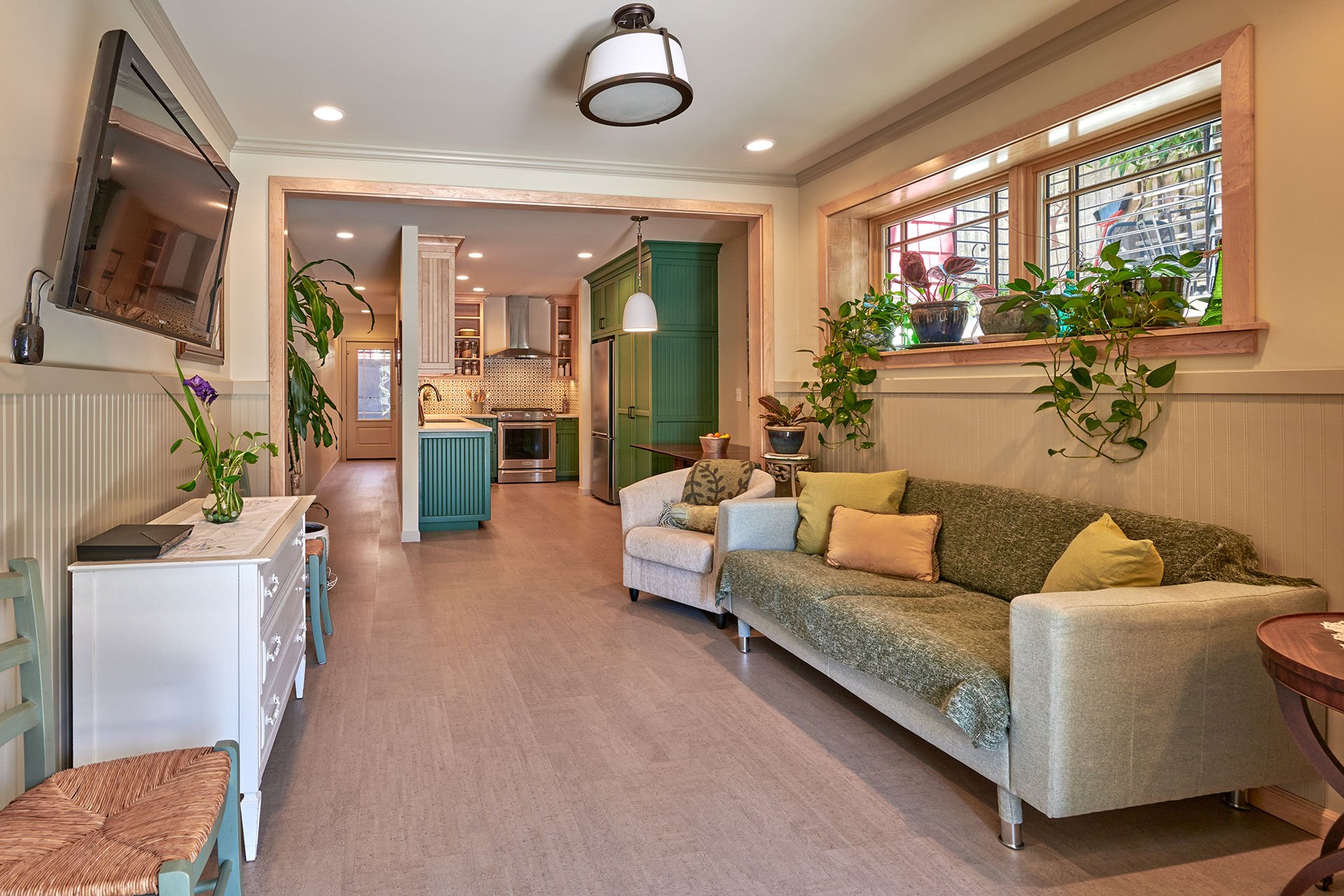
Basements have a reputation for being dark, cramped and uninviting—but it doesn’t have to be that way! With the right basement window placement and design, your lower level can become one of the brightest and most enjoyable spaces in your home.
At CRD Design Build, we often hear from Seattle homeowners who want to turn their underused basement into a functional family space, guest suite or home office. And one of the first things we talk about? Windows! Adding the right windows—or rethinking the ones you already have—can make all the difference in transforming your basement from gloomy to gorgeous.
In this article, we’ll share everything you need to know about choosing the perfect basement windows, including placement tips, sizing strategies and what to know about local building codes.
Basement Windows: How to Choose the Right Size, Style & Placement
Why Basement Window Placement Matters
We covered the fundamentals of smart window placement in our post, A Practical Guide to Window Placement, where we explored how window design impacts lighting, ventilation and the feel of a room. The same rules apply in the basement—only amplified.
Basement windows serve several critical roles:
- They bring in natural light, which makes the space feel larger and more livable.
- They provide ventilation, especially important for keeping the air fresh in below-grade rooms.
- They can serve as egress windows which are required by code for bedrooms or sleeping spaces in many cities, including Seattle.
- They contribute to your home’s overall design—both inside and out.

1. Know What the Space Will Be Used For
Before choosing windows, the first step is to think about how you want to use the space. Different rooms have different requirements:
- Home offices and gyms need natural light, but may benefit from smaller or higher-placed windows to reduce distractions.
- Guest bedrooms or in-law suites will likely require egress windows, which must meet specific size and placement criteria.
- Family rooms and common areas benefit from large windows or even window wells with built-in landscaping.
The more you plan for functionality, the easier it is to choose the right window type and placement.
2. Choose the Right Type of Basement Windows
Not all windows are ideal for basements. Here are a few of the most common types used in Seattle-area basement remodels:
A. Hopper Windows
These are hinged at the bottom and open inward from the top. They’re great for ventilation and space-saving, but don’t qualify as egress.
B. Awning Windows
Similar to hopper windows, but hinged at the top, they open outward and can stay open in light rain—making them great for year-round airflow.
C. Sliding Windows
These work well in larger window wells and offer easy operation and decent ventilation. Some models can meet egress requirements.
D. Casement Windows
These crank open like a door and can be used to meet egress codes if the opening is large enough.
E. Egress Windows
Required in any basement bedroom or sleeping space, egress windows must open fully and provide a clear exit in case of emergency. To qualify as an egress window, Seattle’s building code requires:
- A minimum net opening of 5.7 square feet
- A minimum height of 24 inches and minimum width of 20 inches
- No more than 44 inches from the floor to the bottom of the opening
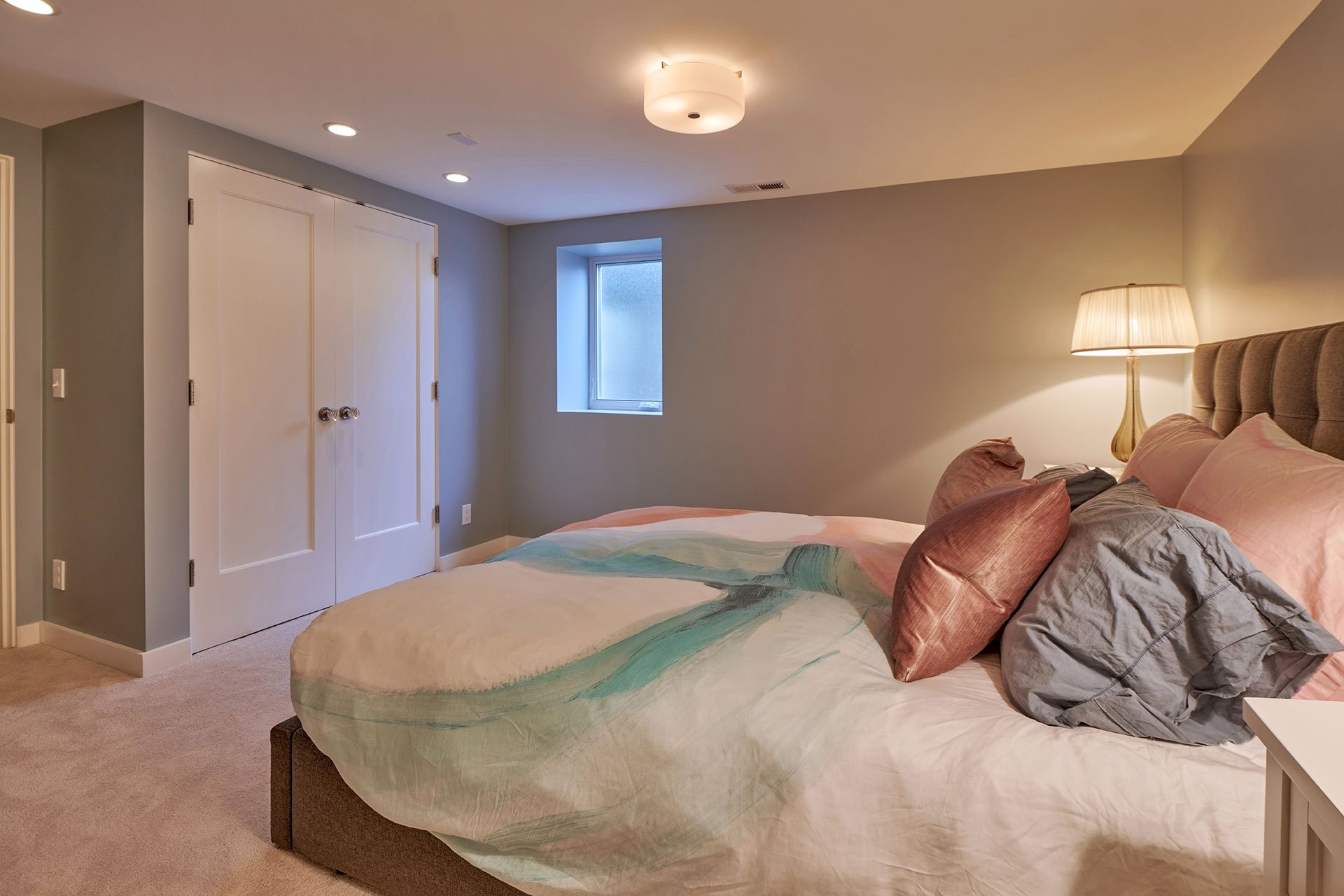
3. Think Strategically About Window Placement
Placing windows in the right spot is just as important as choosing the type. In basements, you’ll want to:
- Maximize natural light by placing windows where the sun hits most frequently—often along the southern or western walls.
- Space windows evenly to prevent dark corners and create a balanced look.
- Consider privacy by positioning windows high on the wall or using frosted glass for bathrooms or shared living spaces.
- Align with outdoor grading to avoid water pooling or drainage issues. This may require excavation or retaining structures.

4. Don’t Forget Window Wells
Most basement windows need window wells—especially if the basement is fully or partially below grade. A window well is the excavated space outside the window that allows light and air in. For egress windows, window wells must:
- Have a minimum projection of 36 inches
- Include a permanent ladder or steps if the depth exceeds 44 inches
- Offer drainage to prevent water accumulation
Beyond functionality, well-designed window wells can also be landscaped with plants, stone or seating to improve curb appeal and make the view more pleasant from the inside.
5. Choose Materials That Withstand the Elements
Basement windows face more exposure to moisture, temperature shifts and potential water seepage. Choose materials like:
- Vinyl windows are affordable, low-maintenance and great for insulation.
- Fiberglass windows offer durability and moisture resistance, making them ideal for basements.
- Composite frames also hold up well in damp environments.
Also, be sure to use energy-efficient glass to prevent drafts and condensation.
6. Consider Your Home’s Exterior Design
While basement windows serve practical purposes, they also contribute to your home’s exterior symmetry and overall curb appeal. Your design-build team can help ensure that new or enlarged basement windows don’t clash with upper-level window layouts or create an unbalanced facade.
7. Basement Windows in Historic Seattle Homes
Many older homes in Seattle have unfinished basements with tiny, outdated windows—or no windows at all! When remodeling, this offers the perfect opportunity to expand existing openings or install new ones. However, be aware that older homes may require:
- Foundation modification
- Structural analysis
- Additional permits for exterior changes
Working with an experienced remodeler like CRD Design Build ensures that your upgrades are code-compliant, structurally sound and beautifully integrated with your home.

At CRD Design Build, we specialize in Seattle basement remodels that feel anything, but underground. Our integrated team of architects, designers and builders will help you:
- Evaluate your current window layout
- Recommend the best type and placement of basement windows
- Navigate local codes, egress requirements and permitting
- Ensure your new basement is bright, safe and fully functional
Adding or upgrading basement windows is one of the most impactful steps you can take to transform your lower level into a light-filled, livable space. From boosting natural light to meeting safety codes and enhancing curb appeal, smart window choices can dramatically improve your basement—and your whole home.
Thinking about a basement remodel in Seattle? Let’s talk windows, layout and everything in between. Contact CRD Design Build today to schedule your complimentary discovery call.