The Wall Street Journal recently reported that the typical American home is now 44 years old—and needs a lot of work. If your Seattle home falls into that category, you’re in good company. Most of our city’s housing dates back to the mid-century era or earlier and, while those homes have amazing character, they often come with systems, structures, and layouts that haven’t kept pace with how we live today.
Simply put, the question isn’t whether an older home needs attention. It’s where to start!
Not sure how to proceed? Here’s how we think about prioritizing renovations in aging Seattle homes, from the most critical infrastructure updates to the upgrades that make daily life genuinely better. Let’s dig in.
How to Update an Older Home: A Priority Guide for Seattle Homeowners
Start from the outside in
Before you think about a single interior finish, make sure your home’s exterior is doing its job. Windows, doors, siding, gutters, and the roof are your home’s first line of defense against the Pacific Northwest’s relentless moisture. When these systems fail, the damage works its way inward—and that’s when the repairs get significantly more expensive.
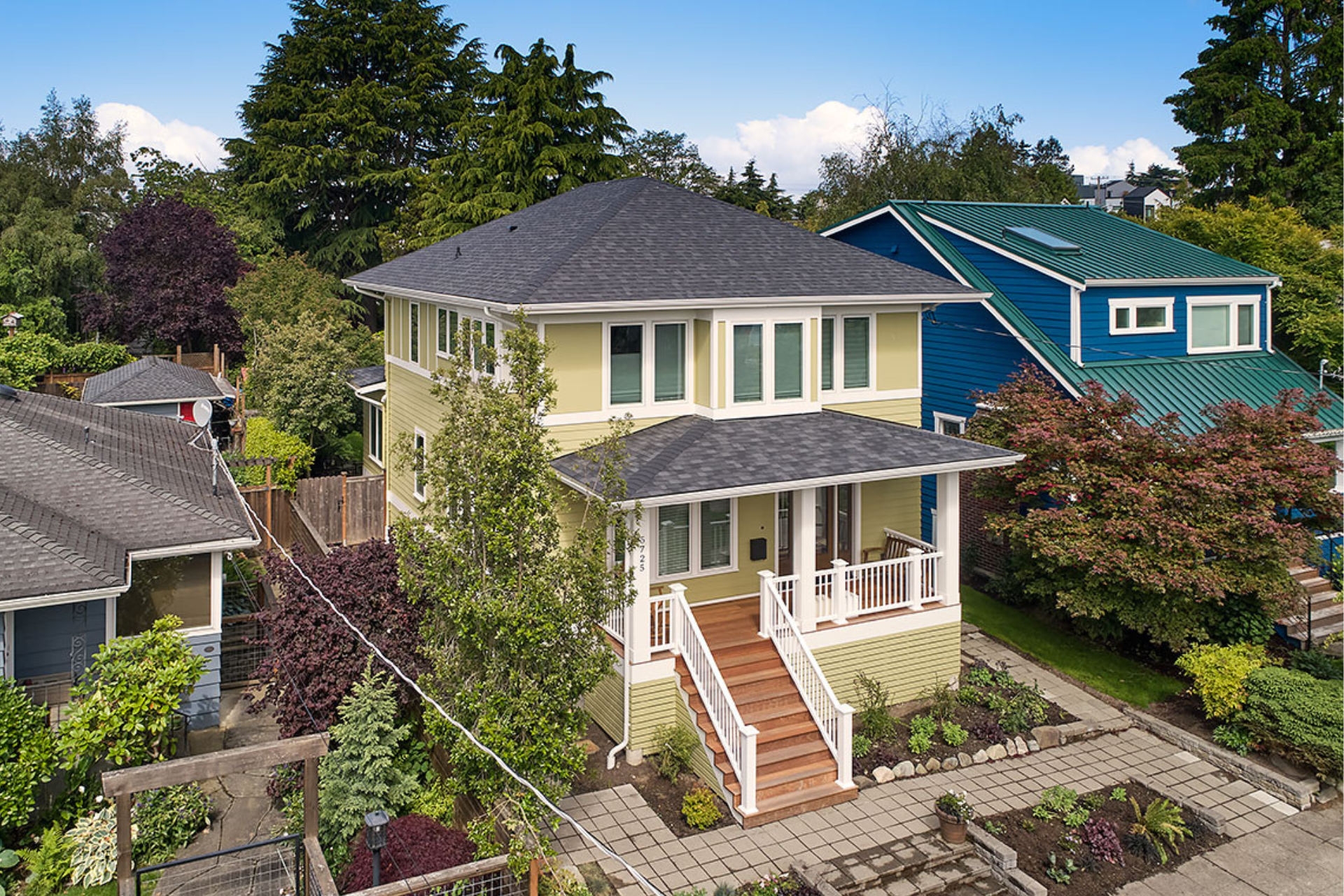
For example, windows and doors in older homes are often single-pane or poorly sealed, letting heat escape and letting pests in. Replacing them improves your energy efficiency, reduces drafts, and can dramatically change how comfortable your home feels year-round.
Similarly, your siding, trim, and gutters should be inspected for rot, gaps, and failure points, especially on homes built before 1980. Well-maintained gutters are particularly important here in Seattle, where clogged or sagging gutters can lead to foundation issues and basement moisture problems.
Roof shingles have a lifespan of roughly 20–30 years in Washington State, depending on material. If your home is approaching or past that mark, a roof replacement isn’t a luxury. It’s essential.
The rule of thumb: fix the exterior first, then move inward.
Modernize your home’s systems
Once the exterior of your home is squared away, we recommend turning your attention to mechanical and electrical systems. This is, admittedly, the unsexy part of home renovation, but it’s where older Seattle homes most often need help and where deferred maintenance carries the most risk.
Knob and tube wiring is one of the most common concerns that we see in homes built before the 1950s. This older wiring system lacks grounding, can’t safely handle modern electrical loads, and is a red flag for homeowners’ insurance providers. Replacing it isn’t optional; it’s a safety upgrade that protects your family and your investment.
Electrical panel upgrades often go hand-in-hand with rewiring. Many older panels were sized for a time when homes had far fewer appliances and devices. Upsizing your electrical panel is essential if you’re adding circuits, EV charging, or planning any significant remodel.
Oil furnaces are increasingly rare in Seattle, but they do still exist. Replacing an oil furnace with an electric heat pump is one of the highest-impact upgrades you can make here in the Pacific Northwest. Heat pumps provide both heating and cooling, work efficiently in our mild climate, and may even qualify for rebates through Puget Sound Energy and federal incentive programs.
Aging in place
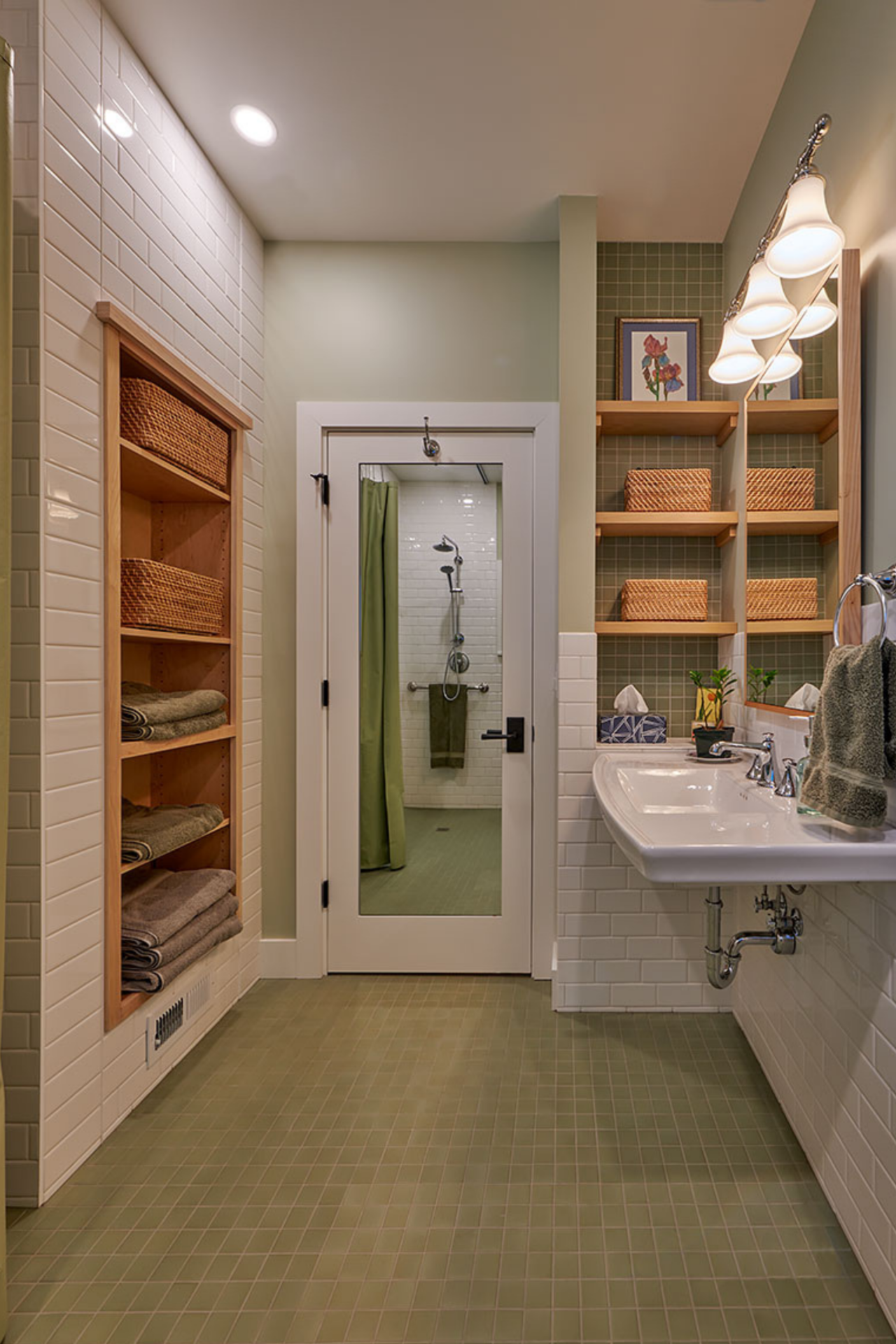
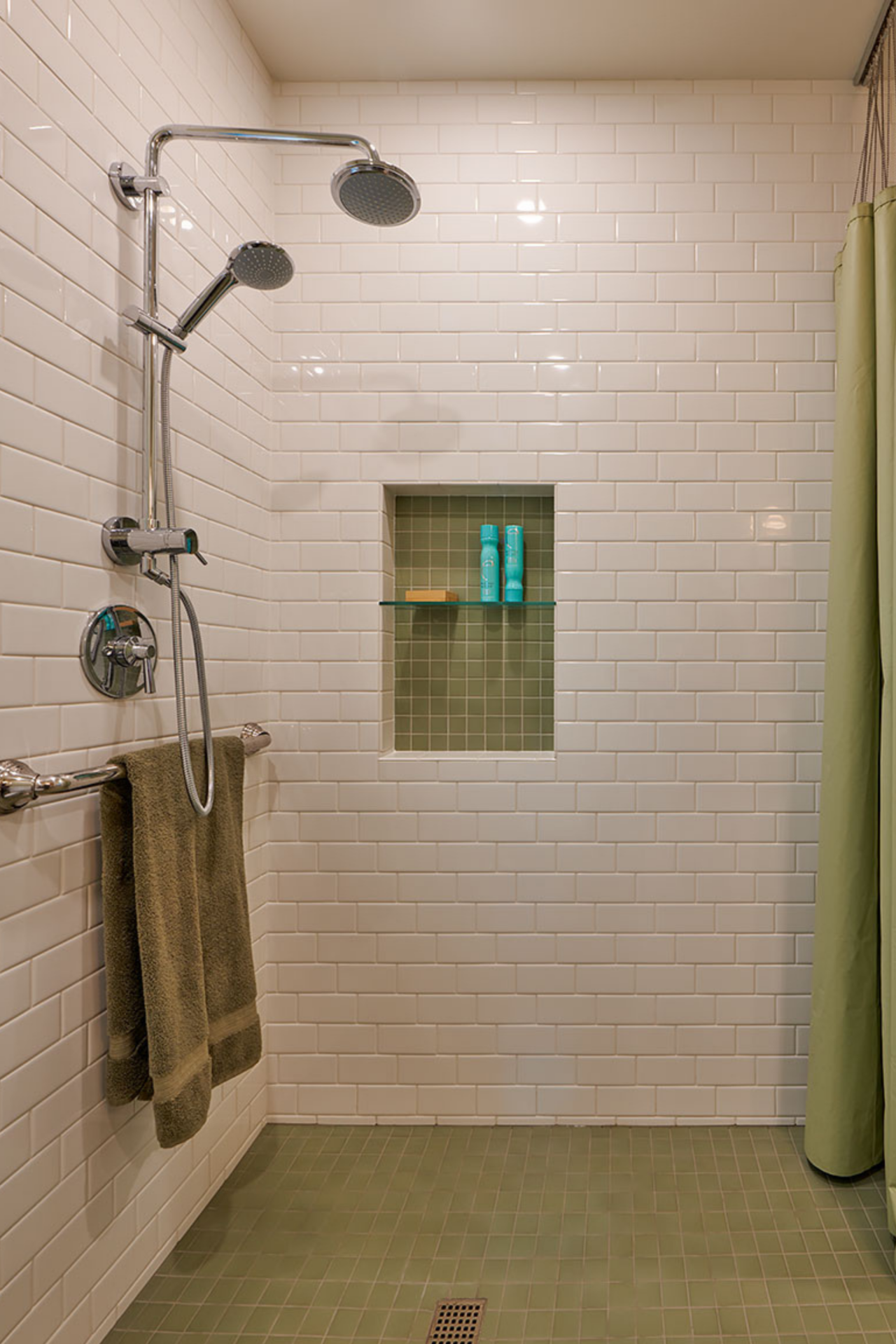
Whether you’re thinking about your own future in the home or making it work for an aging parent, it’s wise to incorporate accessibility upgrades early. We typically suggest making these updates as part of a larger remodel, when walls are already open and working is already underway.
The most impactful changes are often simpler than most expect:
- Grab bars in showers and near toilets: today’s options are far more design-forward now and they make a meaningful difference in fall prevention.
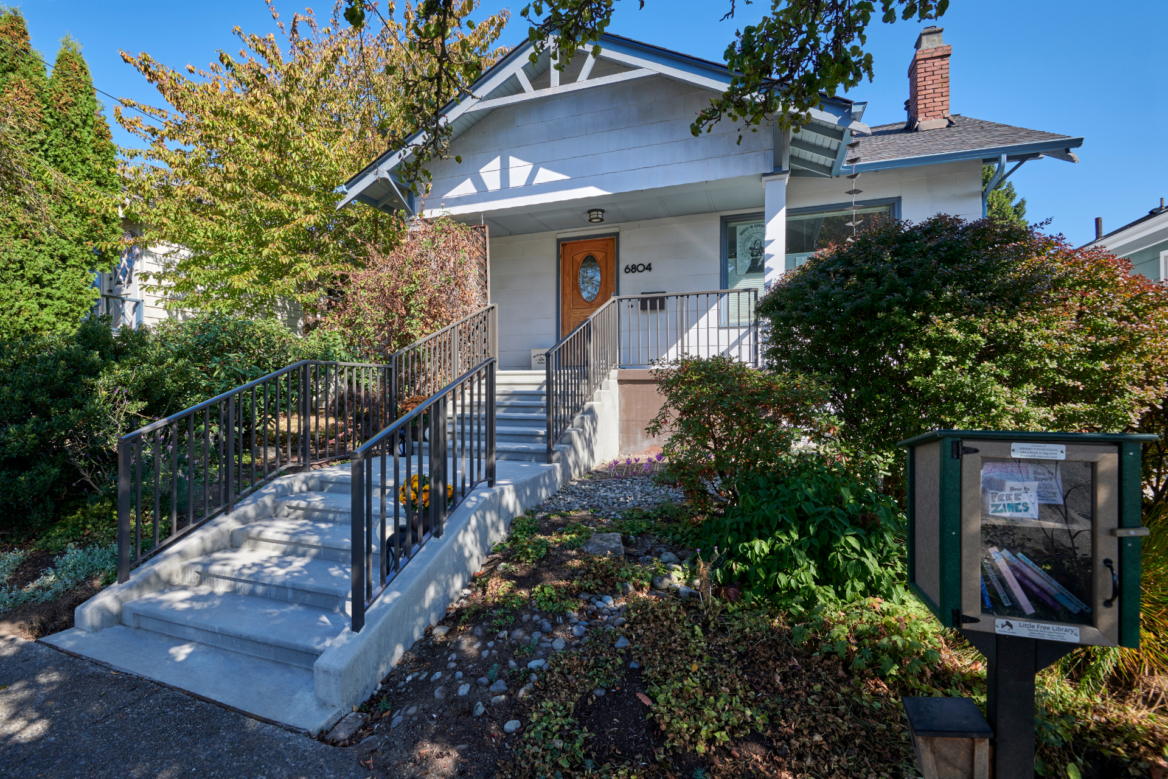
- Handrails on all stairways and walkways: be sure to include exterior paths that can become slippery in Seattle’s wet winters.
- Improved lighting throughout the home: particularly in hallways, staircases, and entryways, better lighting reduces trip hazards and makes the home more navigable for everyone.
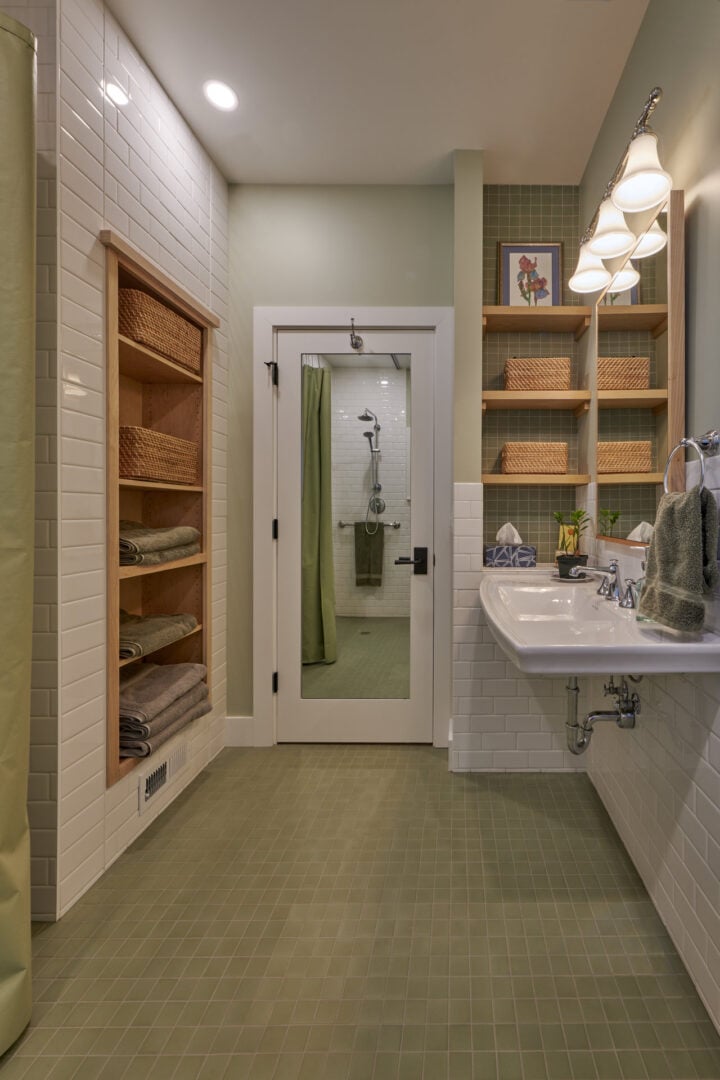
For homeowners interested in a more comprehensive approach, our post on aging in place covers features like zero-entry showers, widened doorways, and flexible floor plans that will serve you well at every stage of life.
Invest in high-traffic spaces
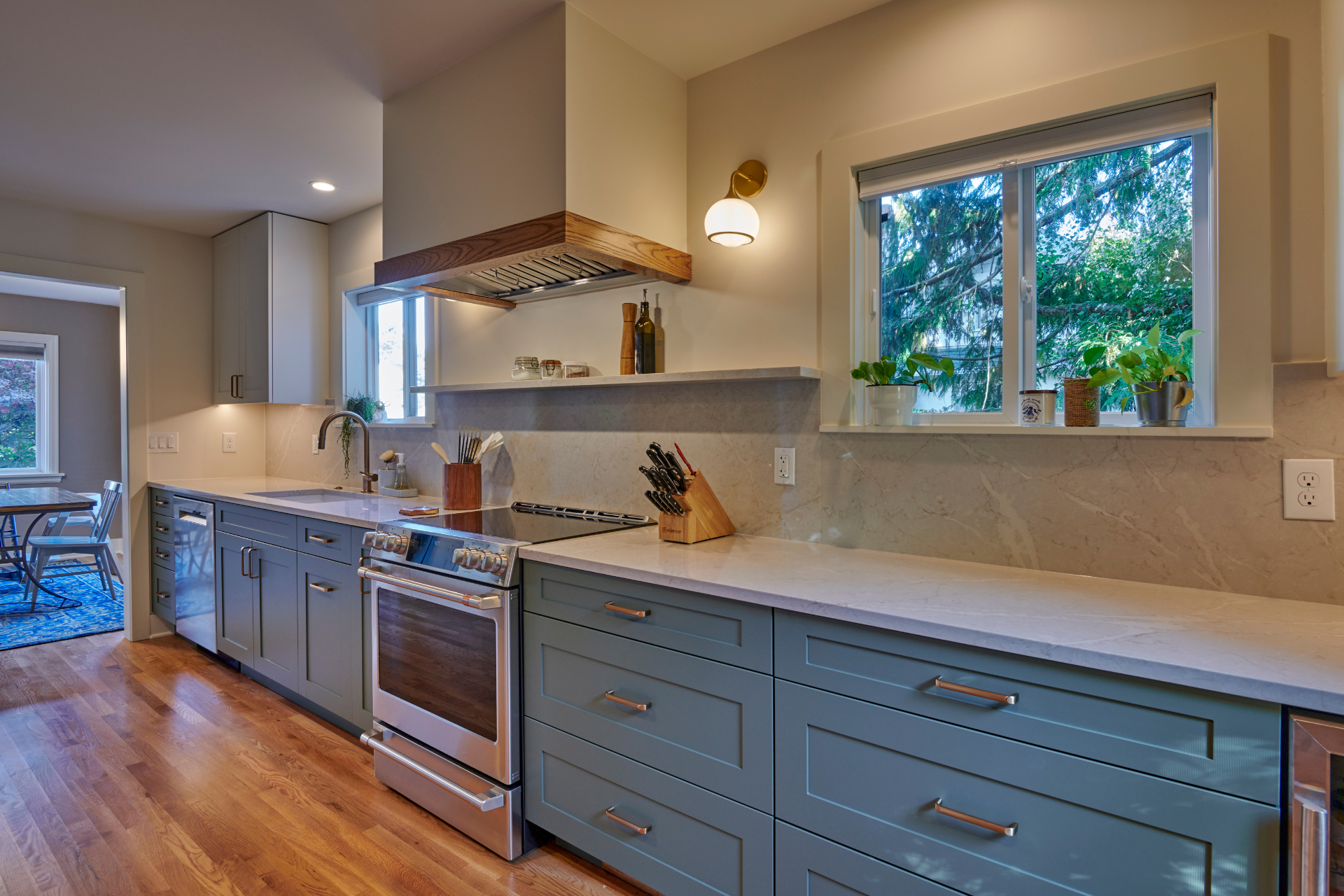
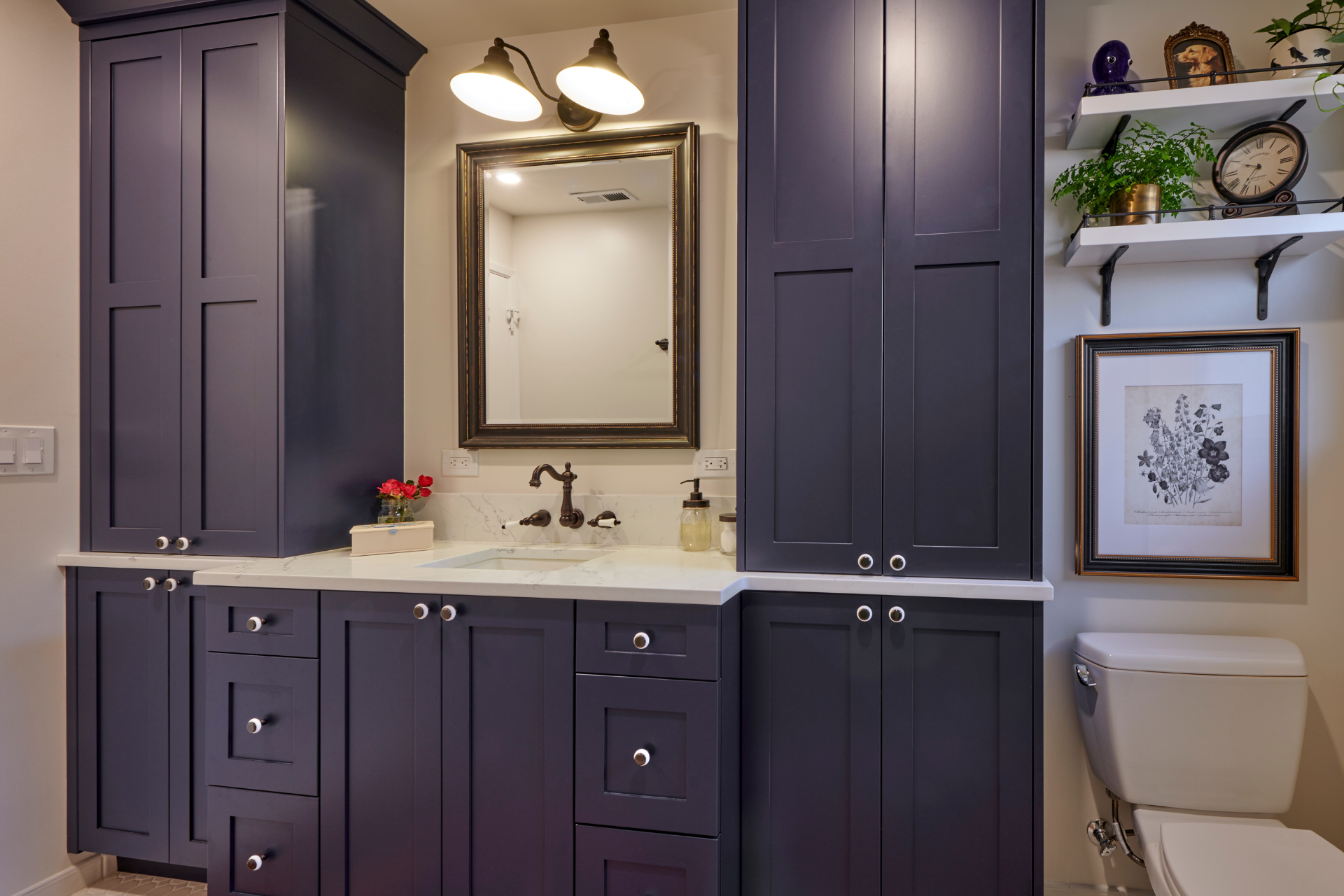
Once your systems are sound and your home is structurally secure, kitchens and bathrooms are where we’ve found that renovation dollars deliver the most day-to-day impact. These are the rooms a family uses most, and in older homes, they’re often the most dated and in need of repair.
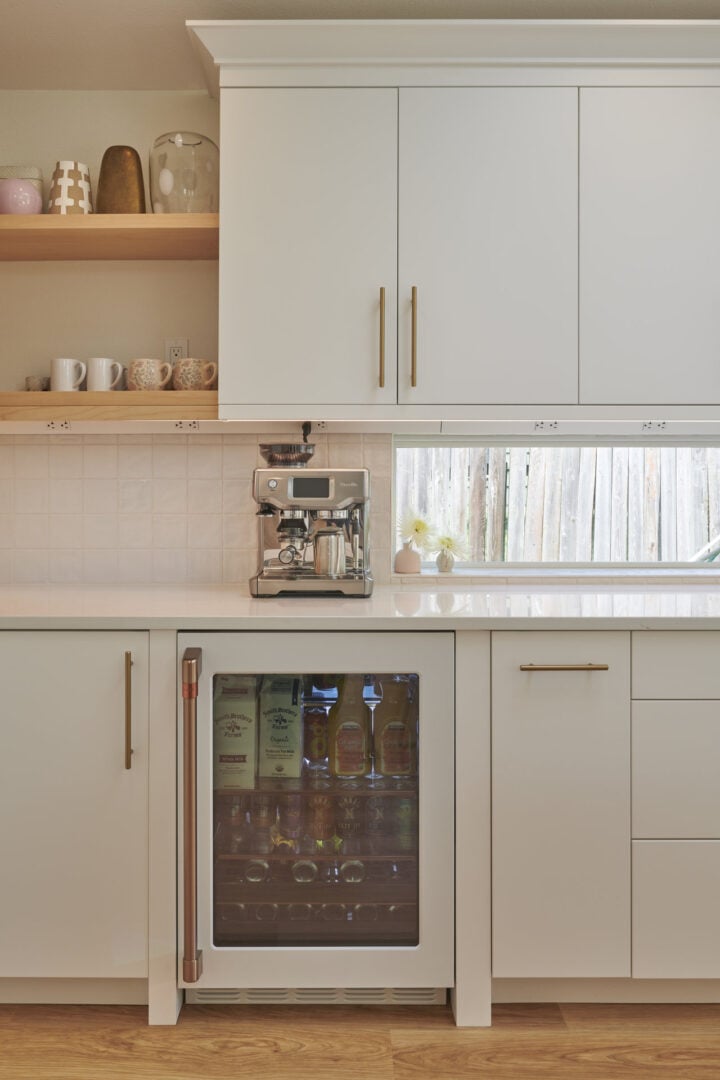
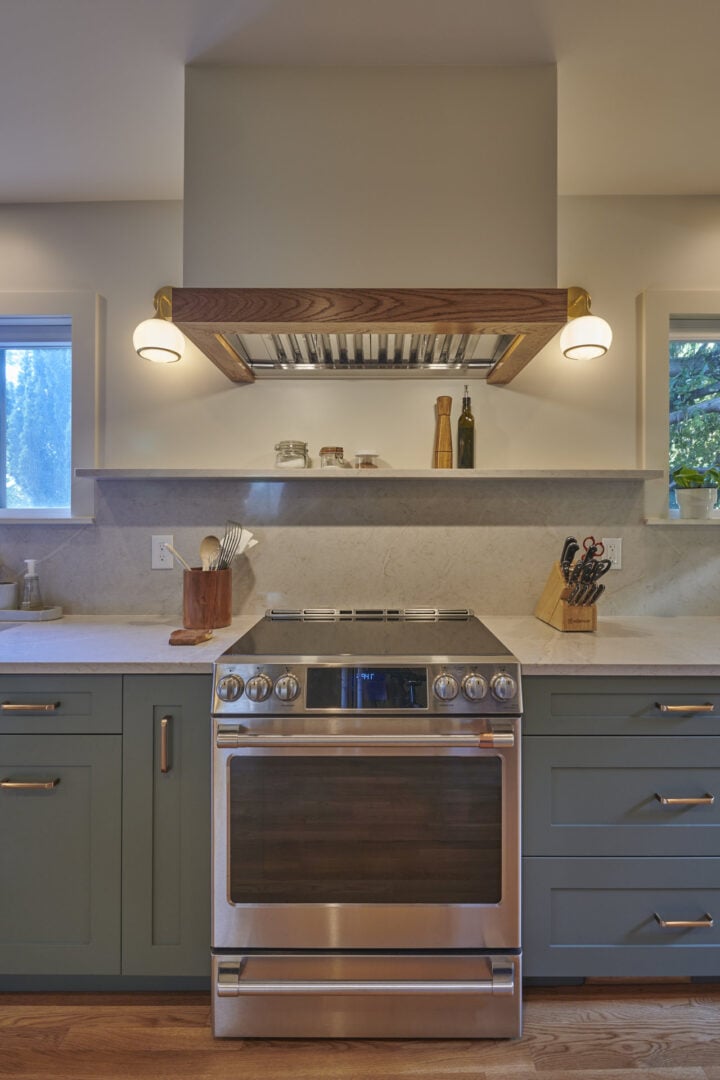
A kitchen remodel in an older Seattle home typically addresses more than aesthetics, including outdated layouts, limited storage, inefficient appliances, and insufficient ventilation. We believe that a thoughtful redesign can transform your quality of life and how you use the space.
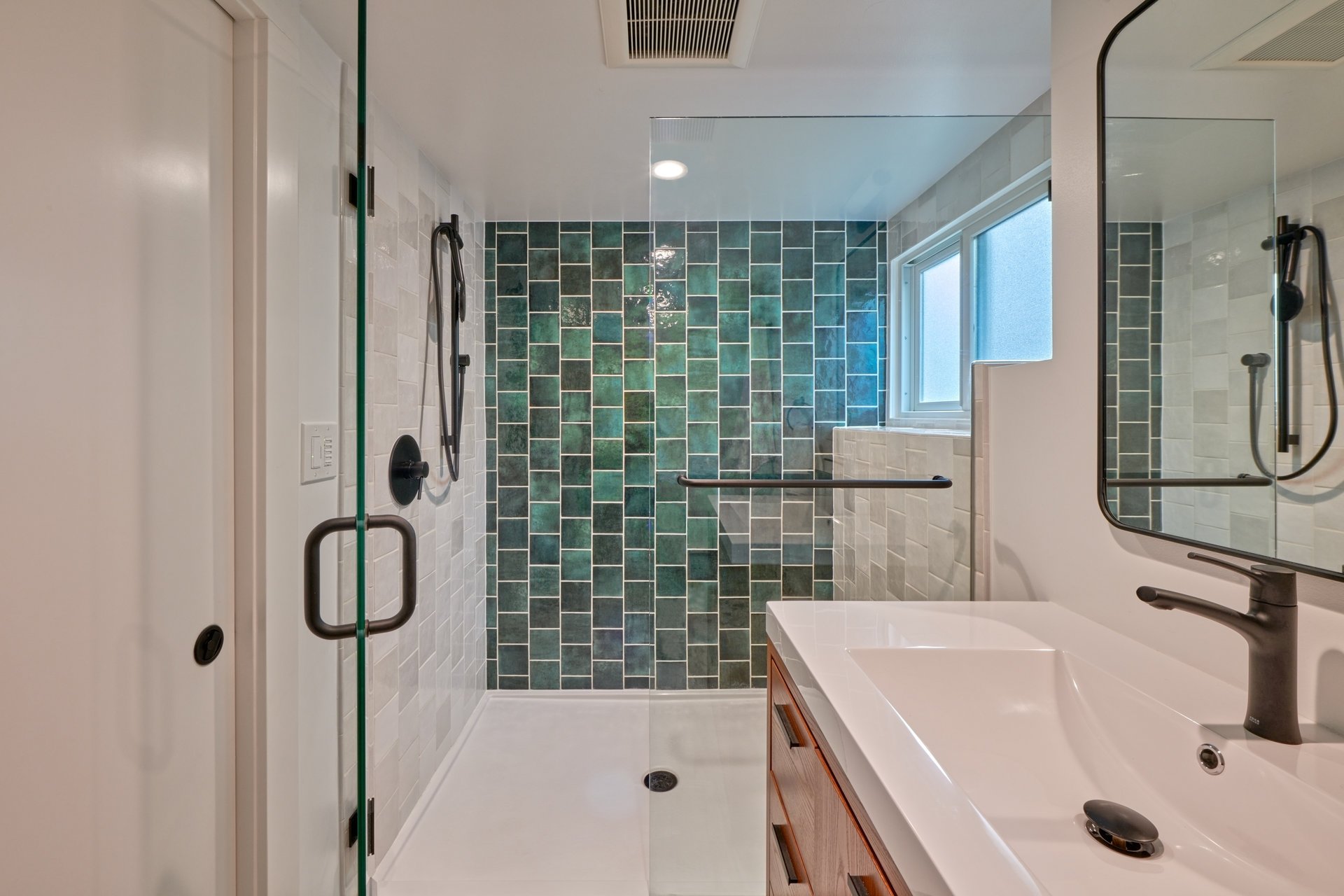
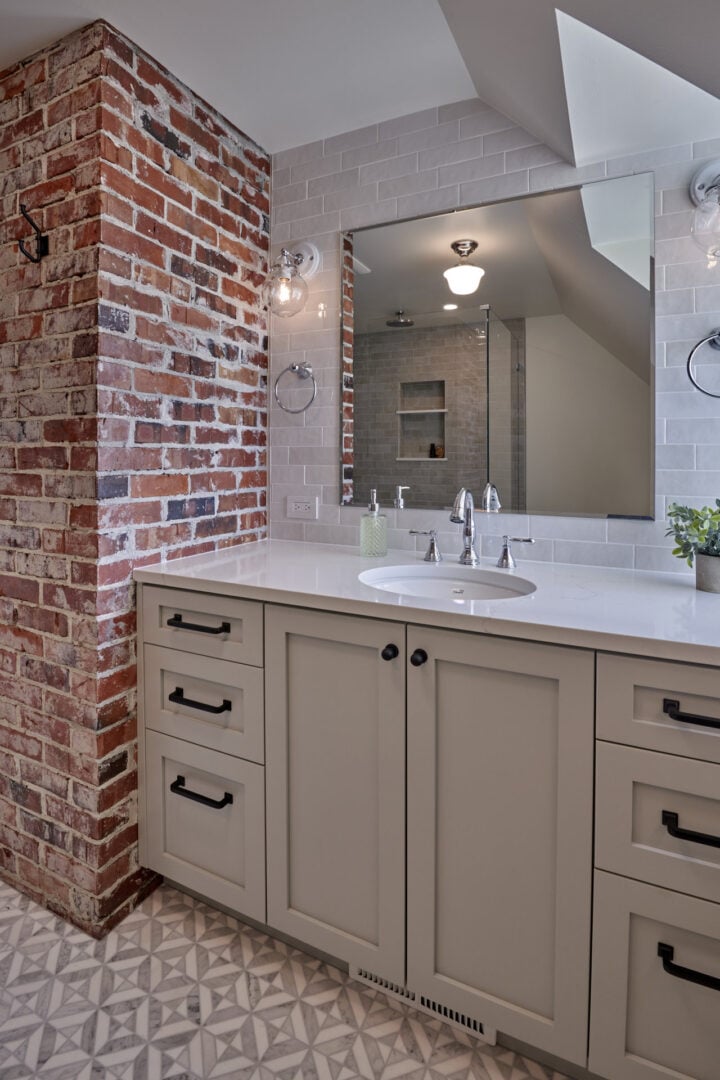
Similarly, bathrooms in older homes often lag behind in both function and aesthetics. If your home has only one full bathroom, adding a second—or even a well-placed half bath—is one of the most practical improvements you can make for a growing family or multigenerational household. Our team are pros at helping Seattle homeowners to find creative ways to add bathroom square footage without requiring a full addition.
Don’t underestimate your yard
And lastly, landscaping is often last on the list, but it’s worth thinking about strategically—especially because plants, shrubs and trees take years to establish. If low-maintenance outdoor living is a priority, the sooner you invest in the right landscape plan, the sooner you’ll be able to enjoy it!
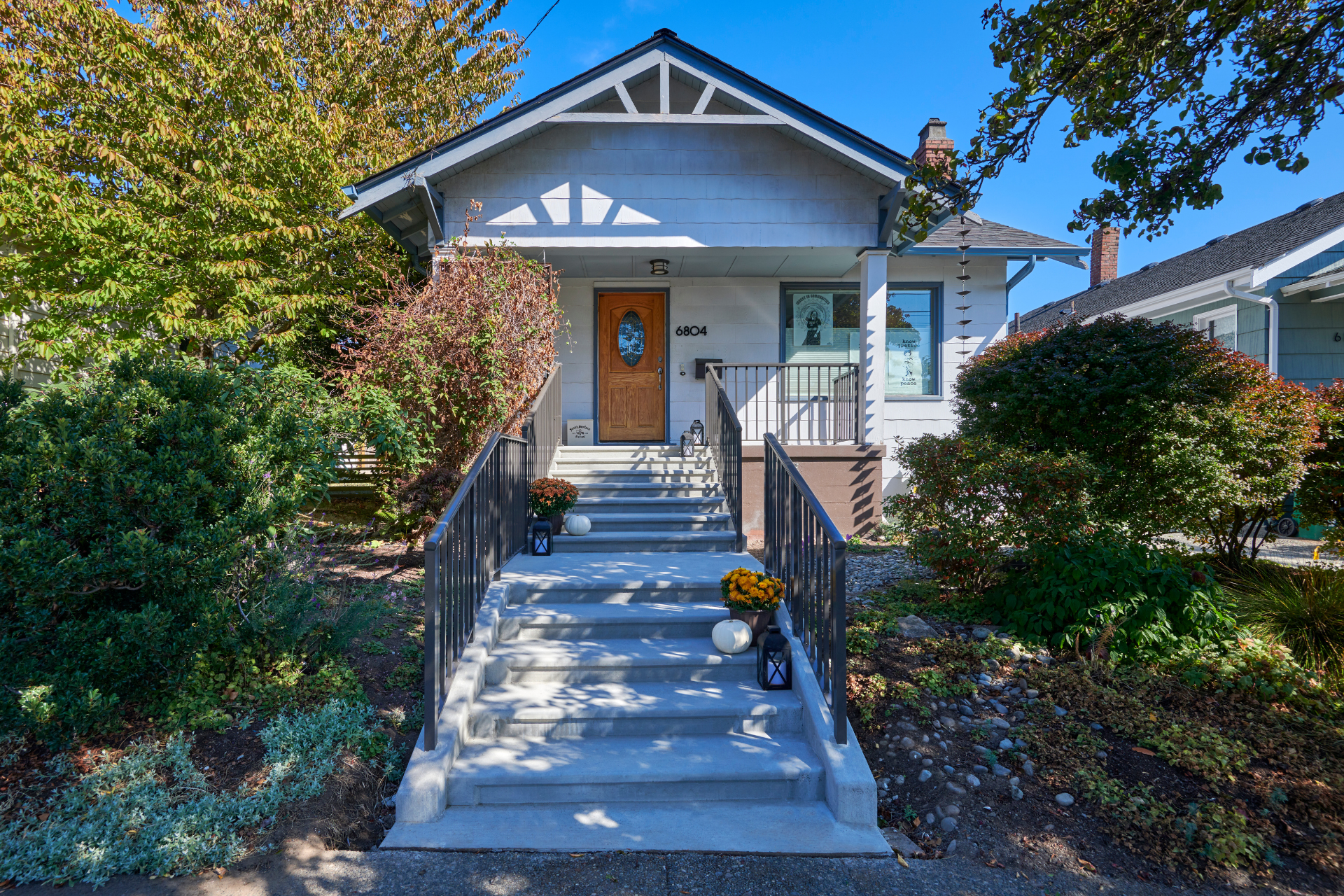
There’s no one-size-fits-all answer for older home renovation. Instead, the right order of updates depends on your home’s specific condition, your goals, and your budget. What we’ve found during our 45+ years of remodeling Seattle homes is that the homeowners who feel most confident are the ones who take the time to understand their priorities before diving in.
If you’re not sure where to begin, that’s exactly what our discovery process is designed to help you figure out! Contact CRD Design Build to schedule a complimentary consultation today! We’ll walk through your home with you, ask the right questions, and help you build a plan that makes sense for where you are today and where you want to be.