Adding an accessory dwelling unit to your Seattle property is one of the most forward-thinking updates you can make to a single-family lot. The are tons of possibilities: you can house family members, generate rental income, create a home office space, or simply add flexibility for the future. What often surprises homeowners is that there are two fundamentally different ways to do it—and the right choice depends a lot on your specific property, goals, and budget.
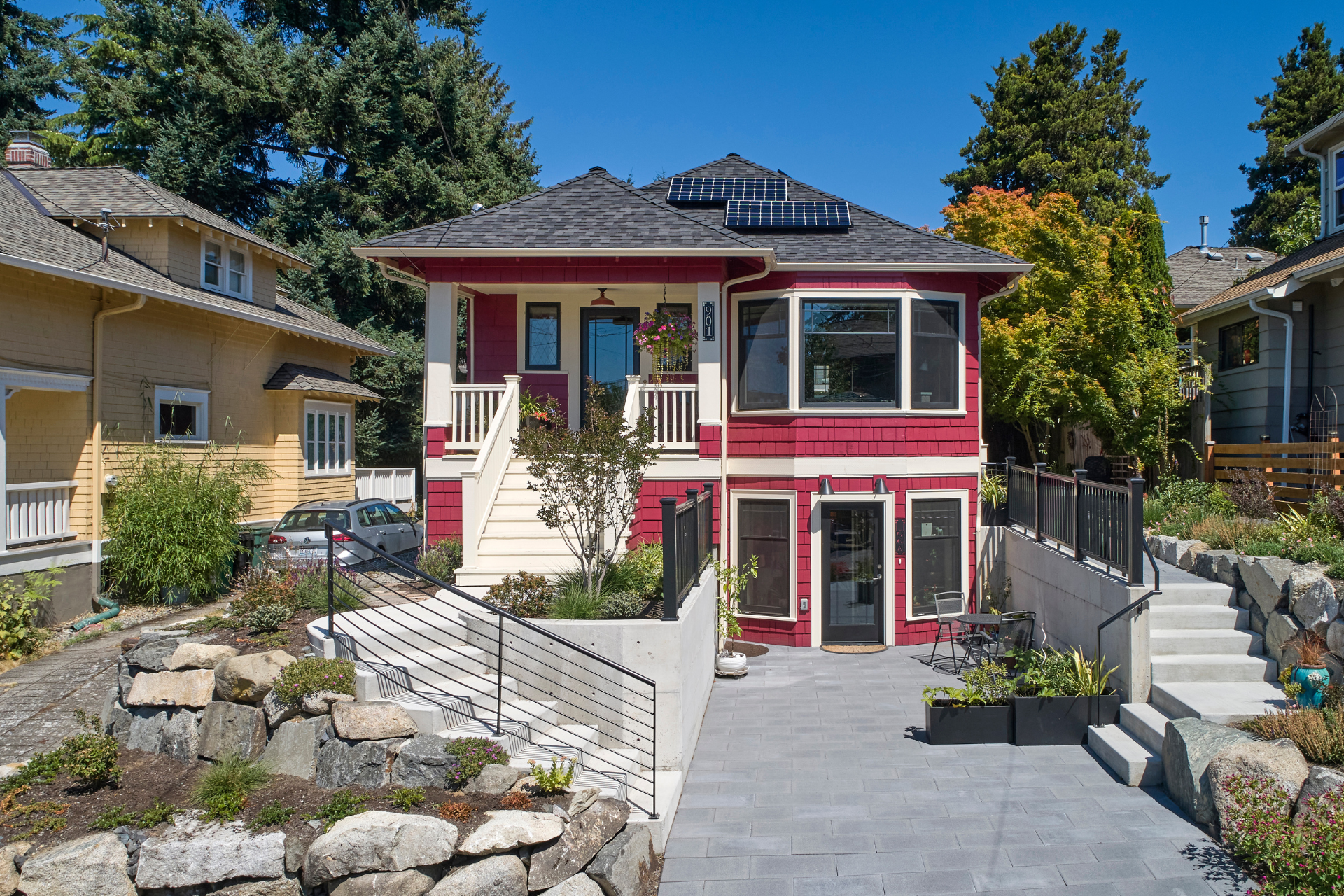
An AADU (attached accessory dwelling unit) is created within or directly connected to your existing home. For example, it could be a finished basement with its own entrance, a garage conversion, or an addition above the garage. A DADU (detached accessory dwelling unit) is a fully separate structure on the same lot, such as a backyard cottage with its own foundation, walls, and roof. Seattle allows most single-family lots to have one of each. But they’re quite different projects in terms of cost, timeline, and what they require from your lot. Let’s dig into all of the relevant details to know before you choose.
Seattle ADU Types Explained: How to Choose Between an Attached and Detached Unit
What Is an AADU?
An AADU is any accessory dwelling unit that’s connected to or contained within the primary residence. Common forms include:
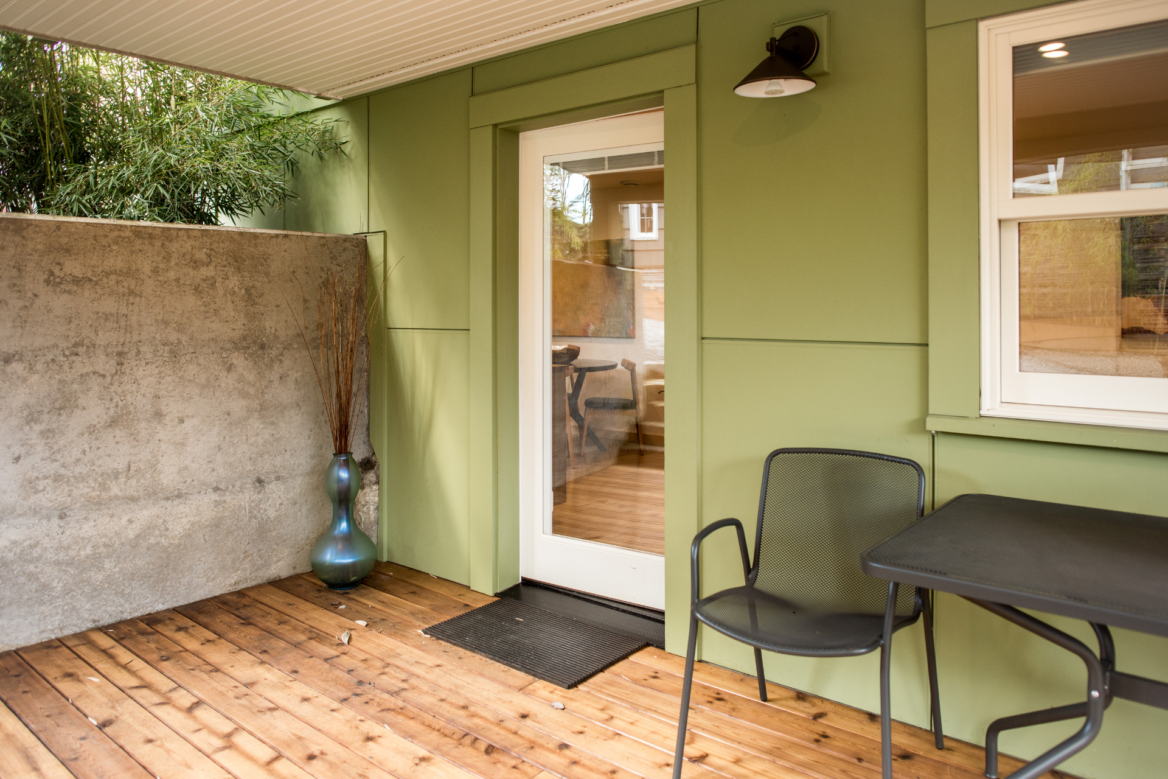
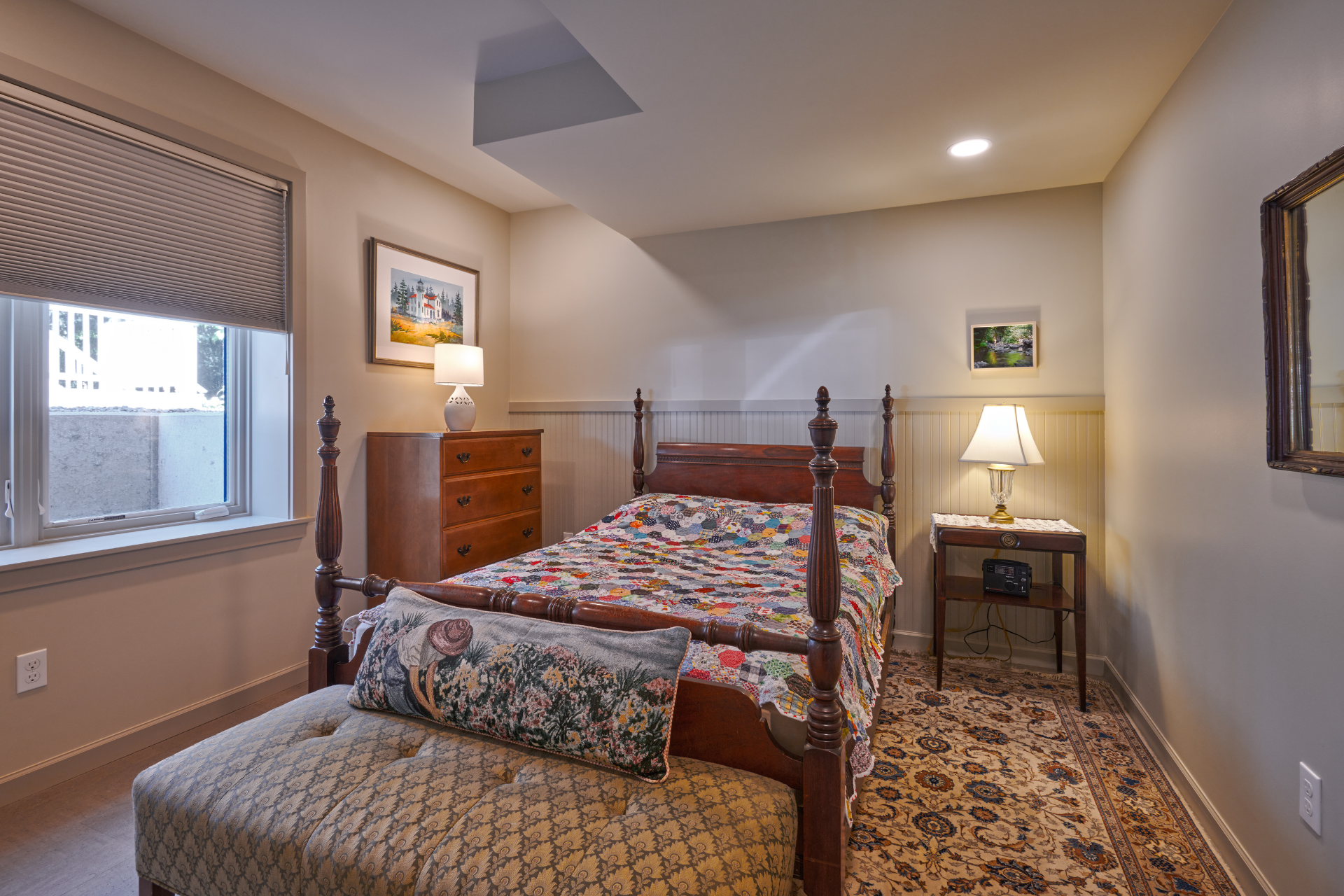
- Basement conversion: An existing basement is finished and converted into a separate unit with its own entrance, kitchen, and bathroom. This is the most common AADU path here in Seattle, where a significant portion of housing has usable basement space that’s underutilized.
- Garage conversion: An attached or detached garage is converted into a livable space. The structural shell already exists, so the work involves adding insulation, heating, plumbing, electrical, and finishes to make it habitable.
- Addition above a garage: A new living space is built on top of an attached garage and separate from the main living area, with its own entrance from the exterior.
- Integrated addition: A new addition to the home that functions as a separate unit. This option shares a wall with the primary residence, but with its own entrance, utilities, and a full kitchen.
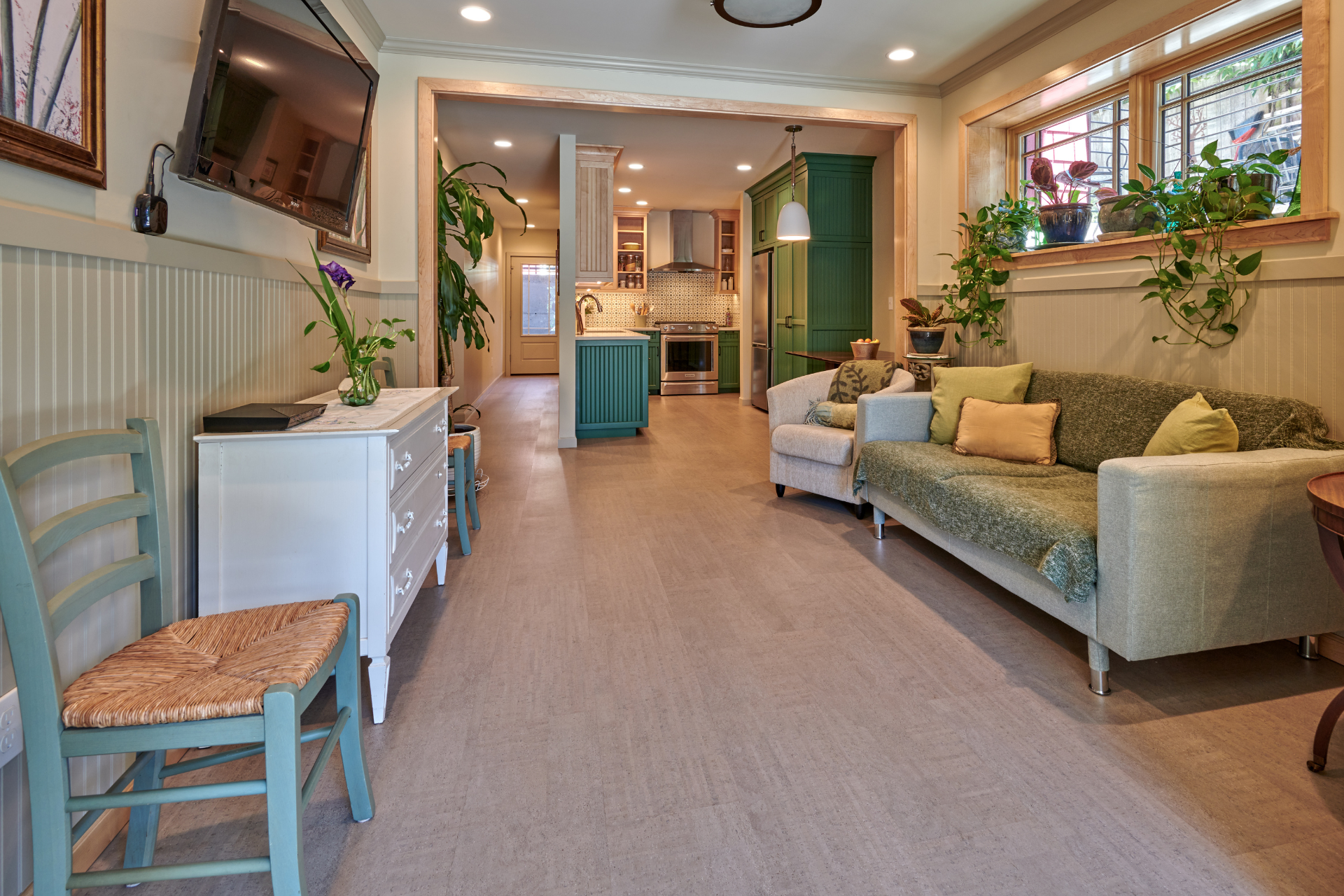
To qualify as a legal AADU in Seattle, the unit needs a separate entrance, a full kitchen (not just a kitchenette), a bathroom, and bedrooms that meet egress requirements. Ceiling height is often a limiting factor in basement conversions because some Seattle basements don’t have the clearance to make an ADU feasible without a dig-down, which significantly increases cost and scope.
What Is a DADU?
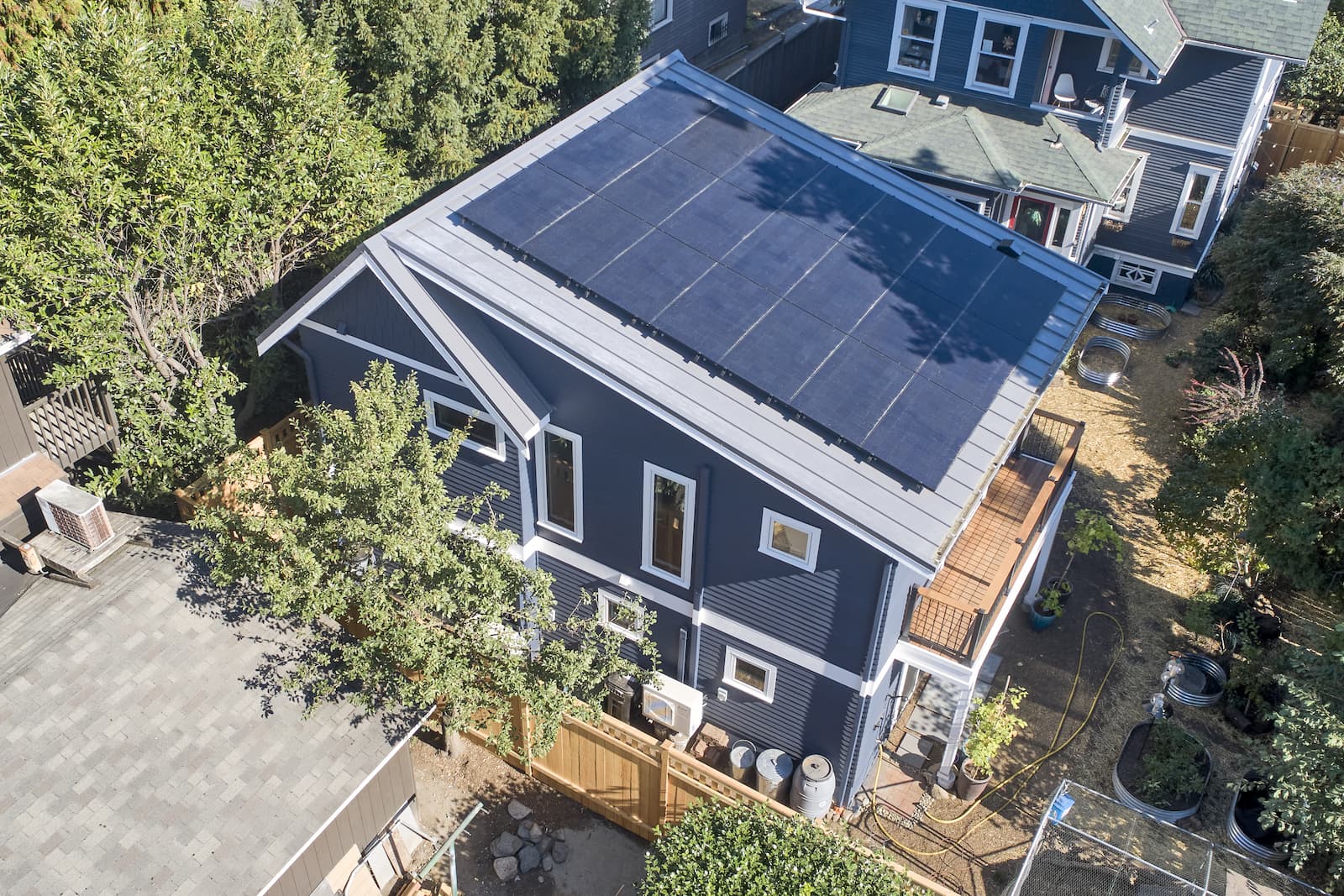
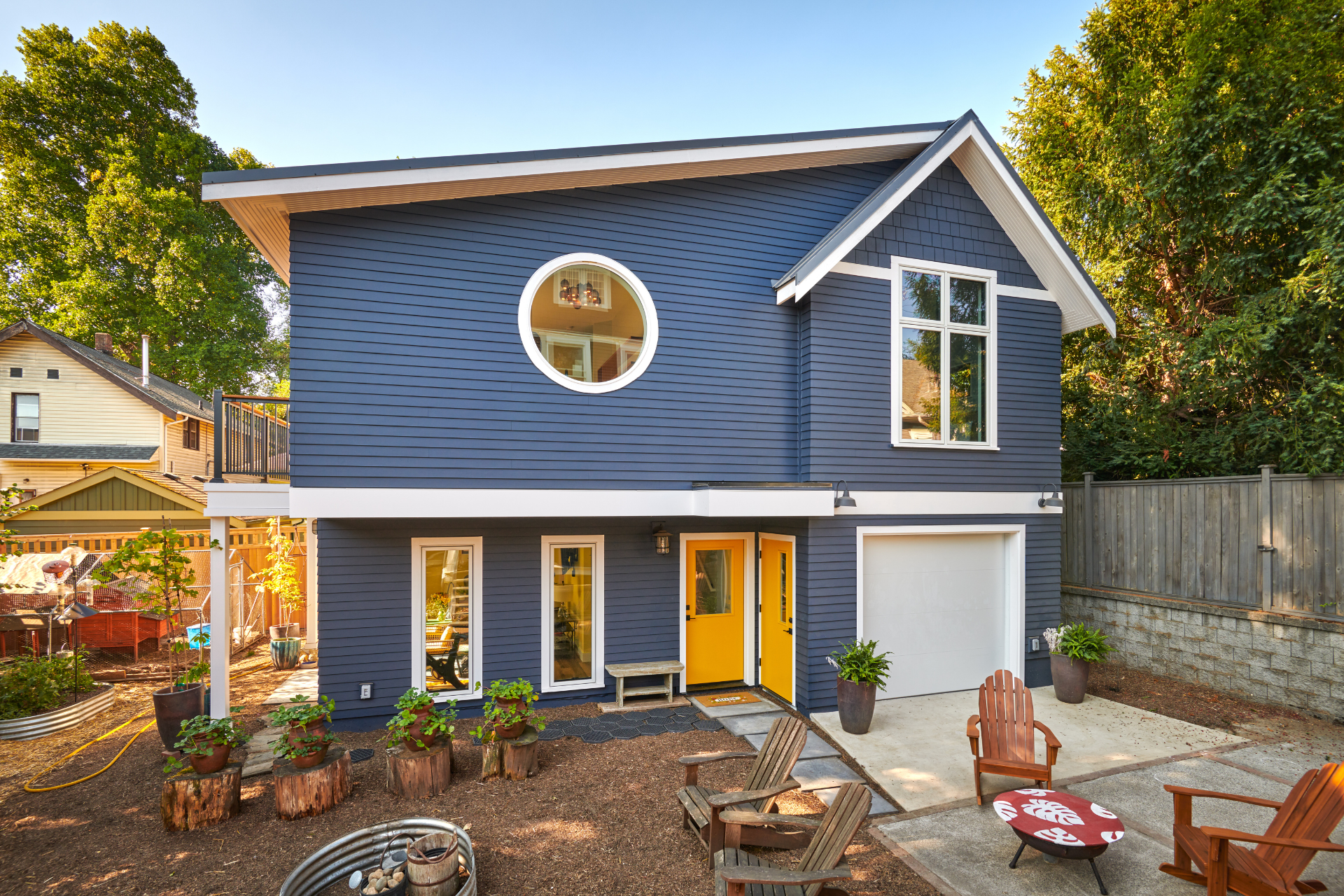
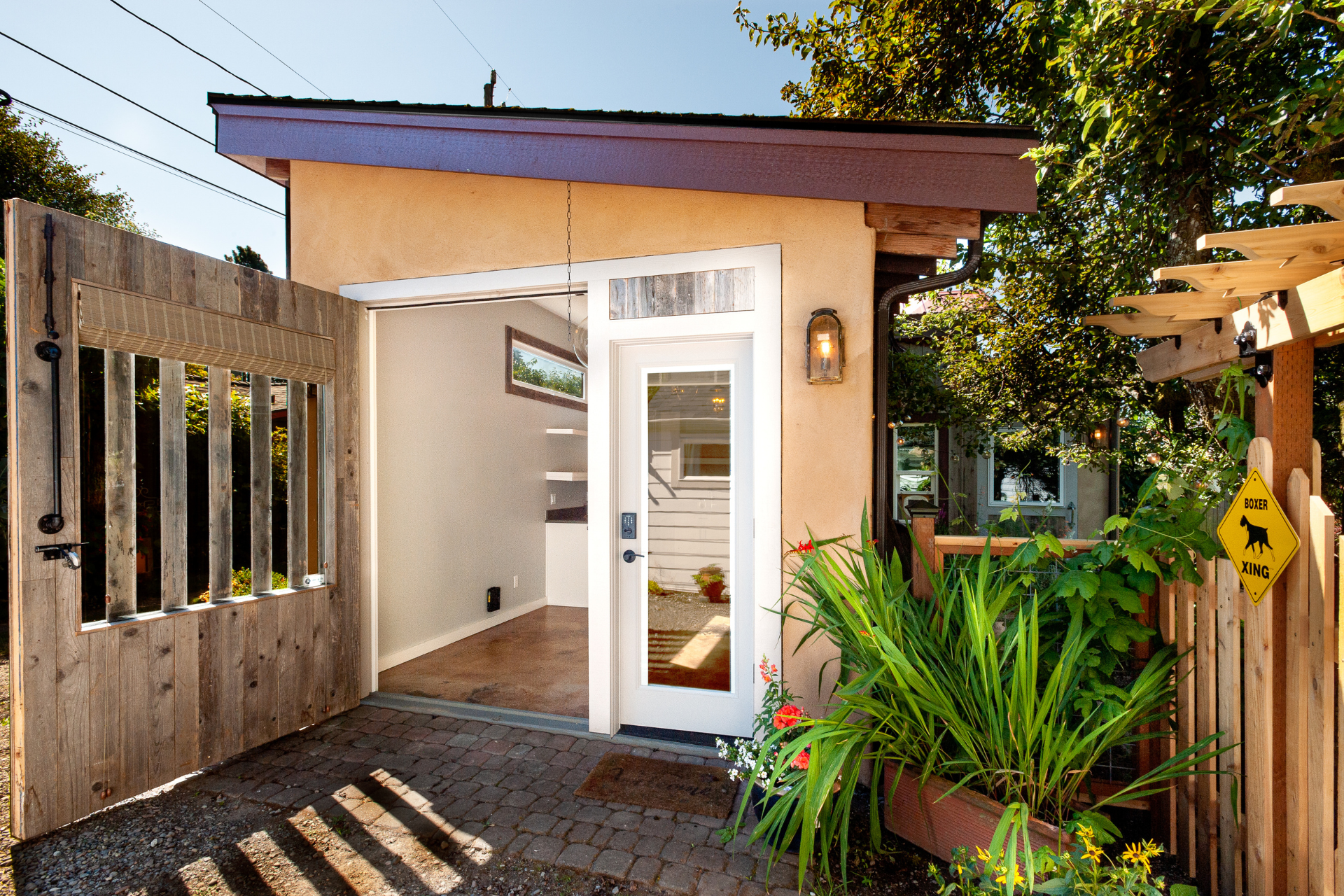
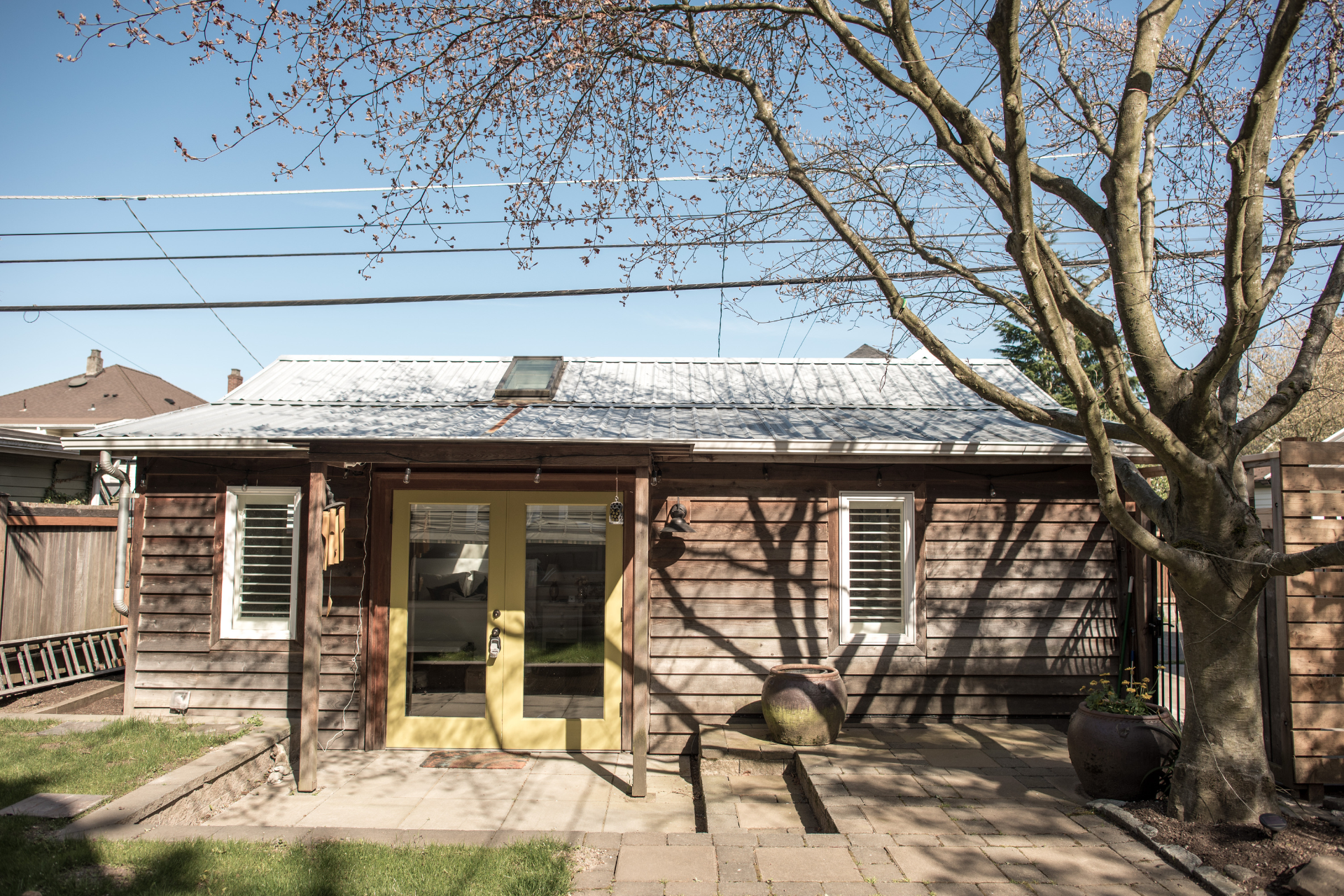
A DADU is a fully independent structure on the same lot as the primary home. It has its own foundation, its own utilities connection, and no shared walls with the main house. In Seattle, DADUs are commonly called backyard cottages, a term that captures how they actually feel and function on a lot.
DADUs are limited to 1,000 square feet of living area (or 60% of the primary dwelling’s square footage, whichever is less), must maintain setbacks from property lines, and must stay within lot coverage limits. A DADU with a pitched roof can reach up to 24 feet in height, while flat-roof designs are held to a lower limit.
Because it’s a new structure, a DADU requires a new foundation, its own electrical panel, plumbing connections, and all the systems that come with a freestanding building. That’s what drives the cost.
See also: Building a Backyard Cottage in Seattle: 2026 Rules, Sizes, and Costs
How the Costs Compare
Cost is often the deciding factor, and the gap here is significant. Here is a quick breakdown:
AADU costs
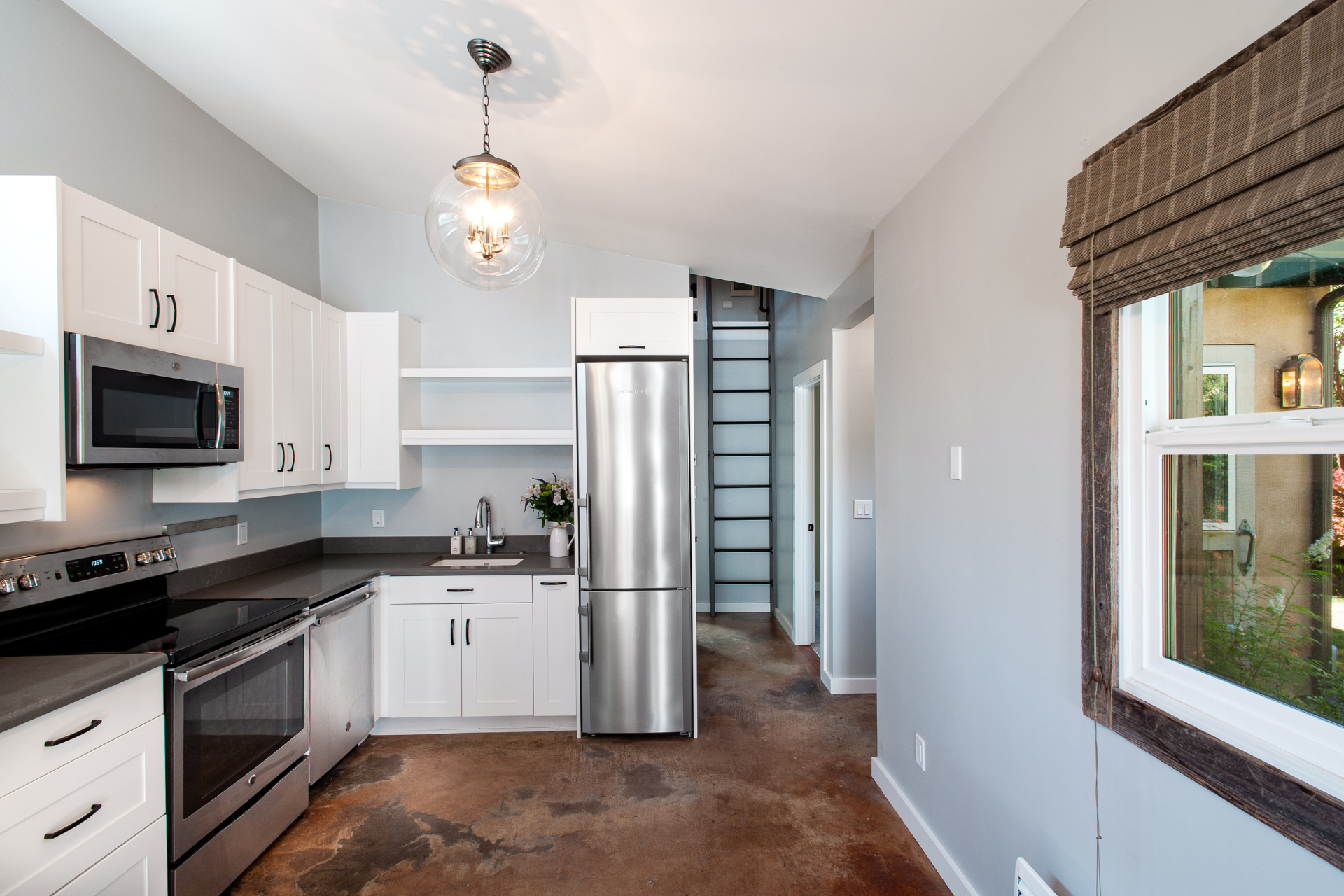
A conversion that meets the full legal ADU standard (separate entrance, full kitchen, and proper egress) tends to run $400,000 to $600,000 or more depending on the scope of the conversion and the current condition of the basement. Factors that push cost higher include low ceiling height requiring a dig-down, moisture issues that need to be resolved before framing can begin, aging plumbing and electrical that needs to be replaced, and the complexity of creating a legal separate entrance on a home that wasn’t designed to have one.
For a full breakdown, see our Basement + ADU Pricing Guide.
DADU costs
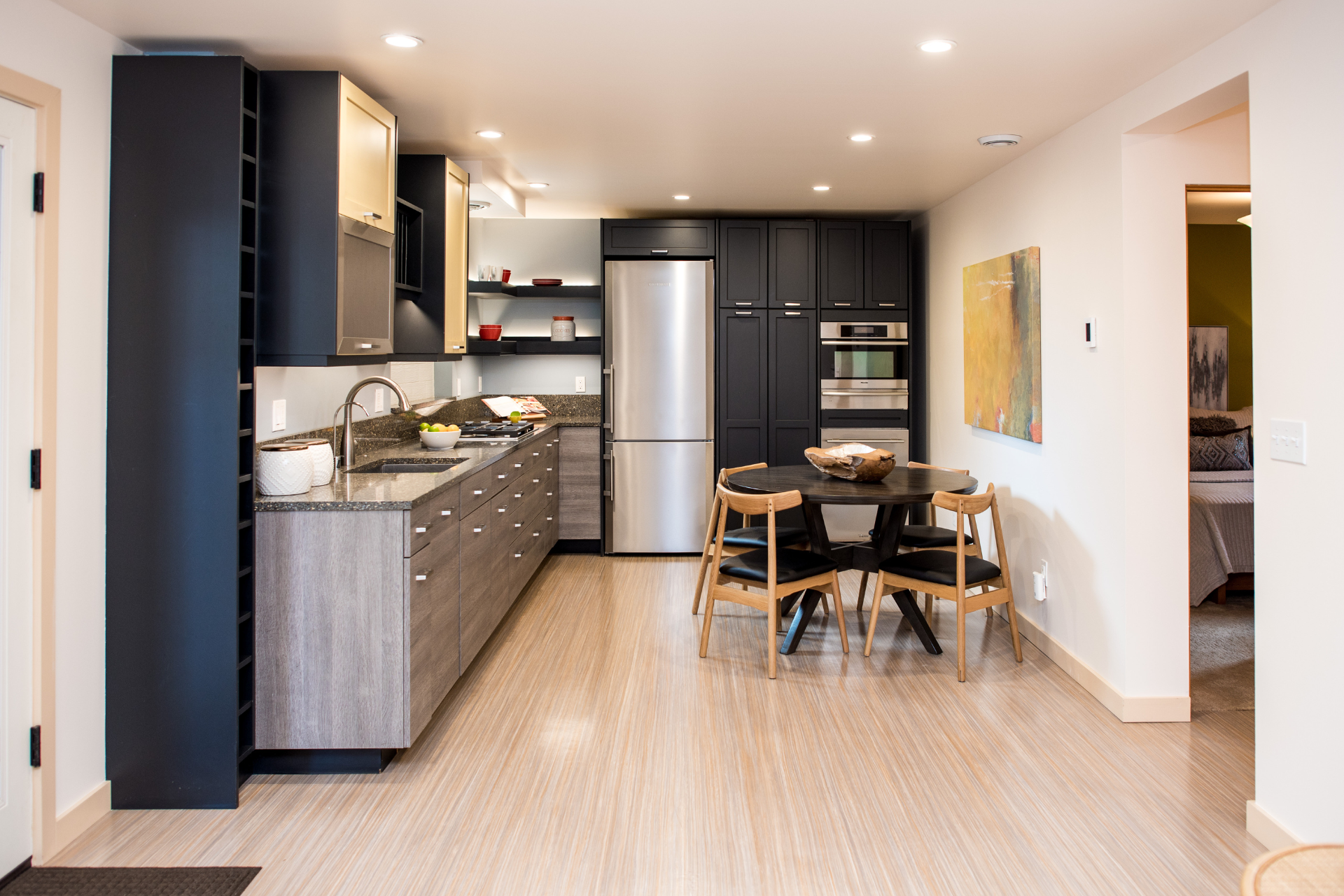
On the other hand, a fully permitted, design-built DADU in Seattle that is a legal backyard cottage with kitchen, bathroom, and independent systems, typically costs between $500,000 and $750,000. For a detailed breakdown of what drives that range, see our DADU Pricing Guide.
Timeline Differences
Just like costs, AADUs and DADUs have differing timelines as well. Here’s a quick breakdown:
- AADU: Typically five to seven months for design and construction, depending on scope. Basement work is intensive relative to square footage. For example, moisture management, structural constraints, and the complexity of carving out a functional unit from an existing space all add time. A conversion that requires a dig-down adds several months and cost.
- DADU: Twelve to fourteen months from the start of design through construction completion. New construction has more predictable permitting and fewer surprises than working within an existing structure, but the timeline is longer because you’re basically building a building from the ground up.
Which One Fits Your Lot?
Your lot will often make the decision for you or at least narrow the options significantly.
AADUs are often the better fit when:
- You have an existing basement with reasonable ceiling height (at least seven feet after accounting for ductwork and subfloor) and a viable exterior entrance location.
- Your lot is small, narrow, or constrained in ways that make placing a new structure difficult, like tight setbacks, existing garage, or significant tree canopy.
- Your budget leans toward the lower end and a basement conversion is feasible without major structural work.
- You want the unit close to the primary home—same lot, shared outdoor space, but separate living.
DADUs are often the better fit when:
- Your lot has a clear, buildable area in the rear so you can achieve reasonable setbacks, manageable slope, and no tree conflicts.
- You want true separation between the primary home and the accessory unit ensuring maximum privacy for both residents.
- Your basement is a poor candidate for conversion (too low, too wet, or an awkward layout).
- You’re planning for long-term rental income and want a fully independent unit that functions like a small house.
- You already have an AADU and want to add a second unit because Seattle allows one of each on most lots.
See also: Seattle’s Pre-Approved DADU Plans: How They Work and When Custom Wins
Rental Potential
Both unit types can generate rental income and Seattle even removed the owner-occupancy requirement in 2019. This means you don’t have to live on the property to rent either or both units. However, there are a few practical differences worth noting:
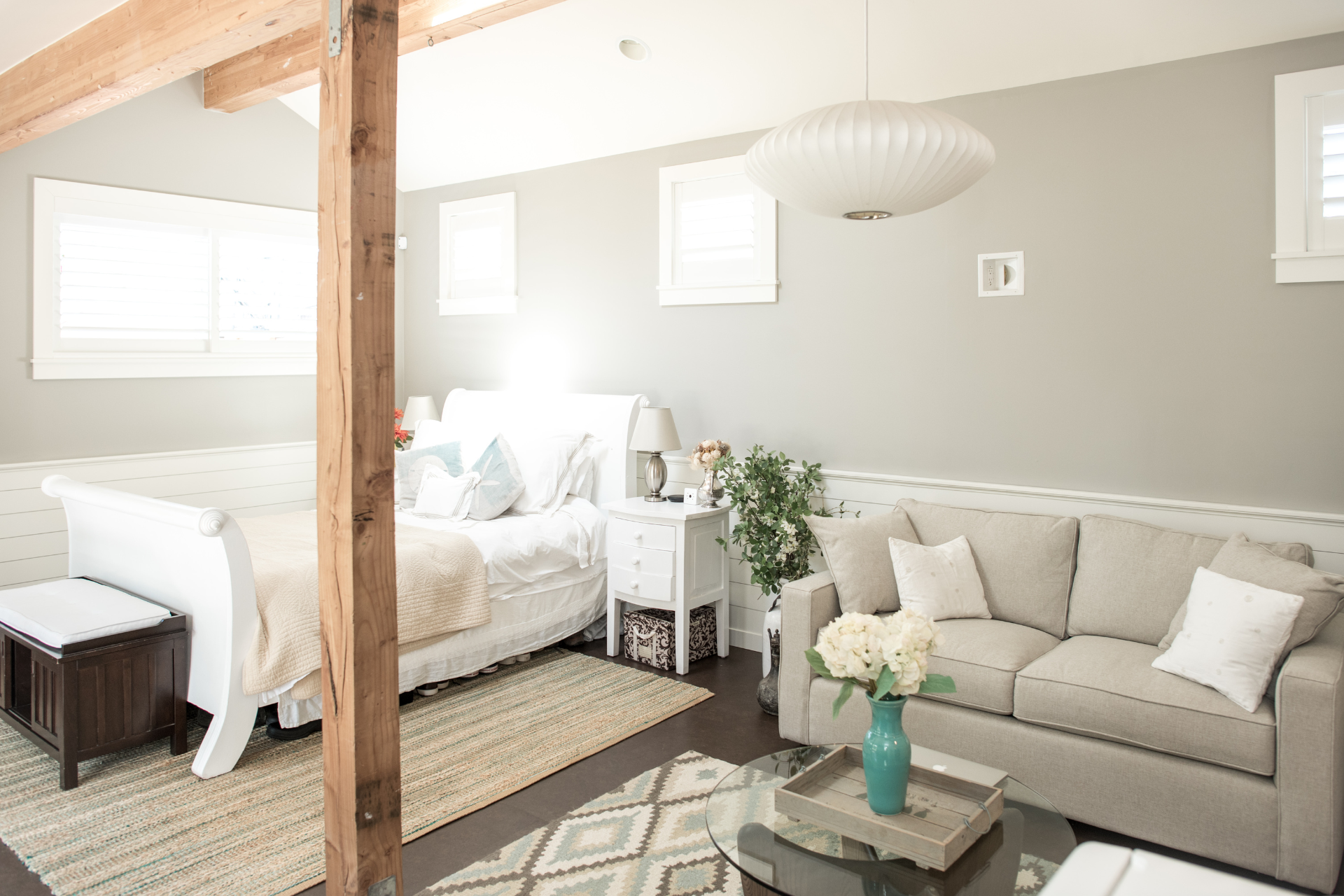
- A basement AADU in a popular Seattle neighborhood can typically command $1,500–$2,500/month for a well-finished one- or two-bedroom unit, depending on size and amenities.
- A detached backyard cottage, with its own exterior, yard access, and genuine feeling of a separate home, often commands a premium potentially: $2,000–$3,500/month for a well-designed 600–800 sq ft unit in a desirable neighborhood.
- Neither figure is guaranteed; rental markets fluctuate, and finishes matter significantly.
You Don’t Have to Choose Just One
And finally, Seattle’s ADU rules allow most single-family lots to have both an AADU and a DADU simultaneously. For homeowners with the lot space and the long-term vision, building both (or planning for both, even if you build them sequentially) gives you the maximum flexibility from your property.
Ready to discuss the possibilities of your Seattle lot? Contact CRD Design Build to schedule a consultation. We’ll assess your lot, walk through both options, and help you understand what’s actually feasible for your specific property!