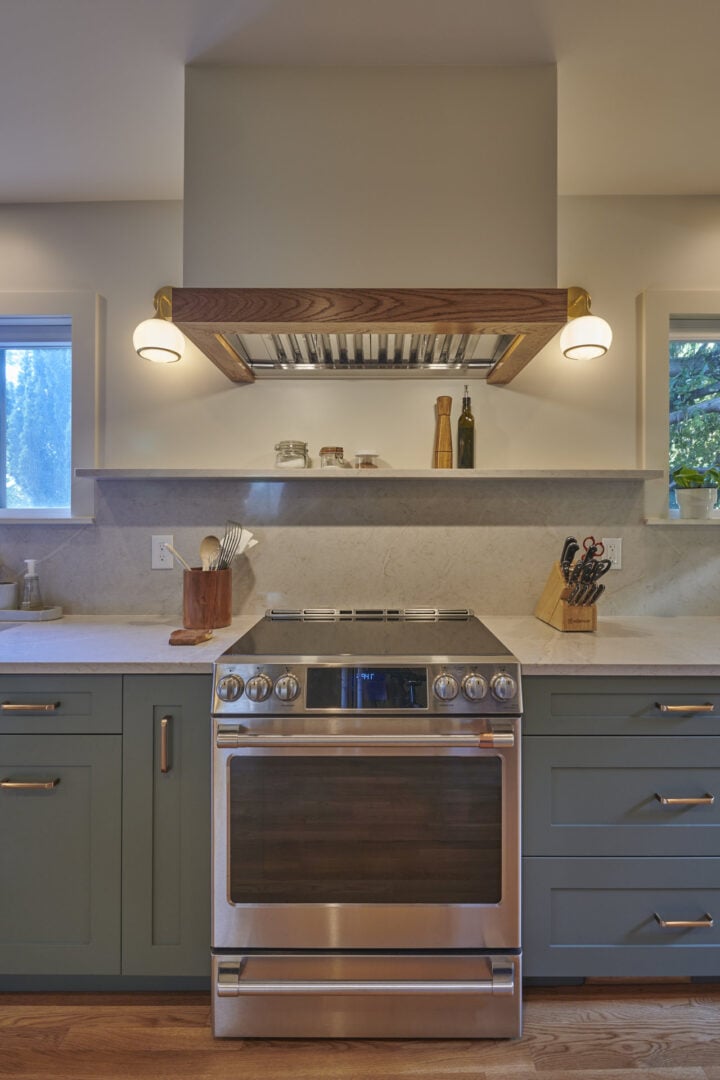
Seattle Home Additions
Your home should fit your family’s evolving lifestyle. At CRD, we’ve spent over 45 years creating seamless, beautifully integrated home additions in Seattle. Whether you need more space for a growing family or want to enhance your home’s layout, our thoughtful designs ensure your addition feels natural, comfortable, and exactly right.
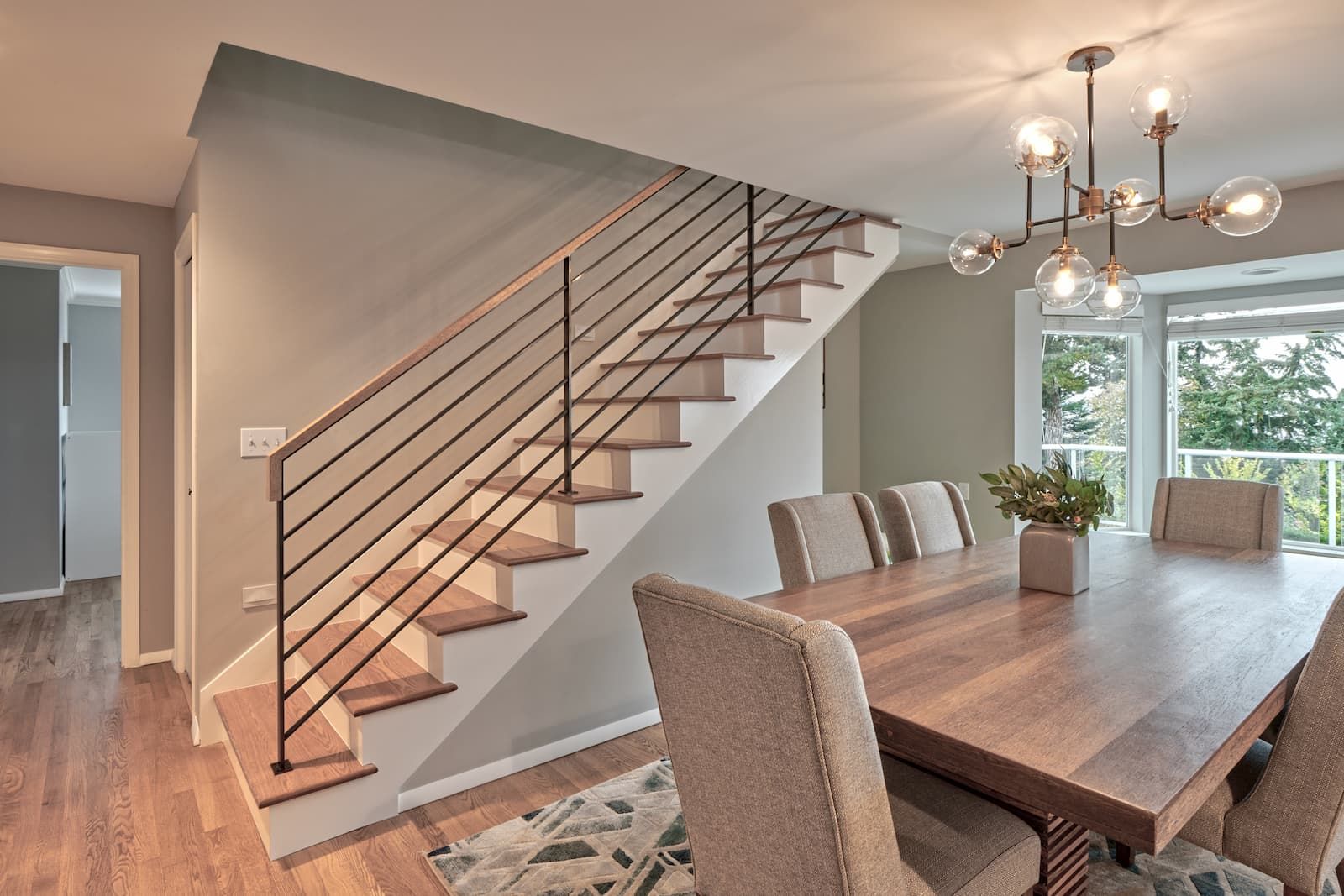
Expand your home's possibilities and enjoy the space your family deserves.
We begin by understanding your vision and daily routines, ensuring your addition blends effortlessly with your existing home. From luxurious primary suites to expansive kitchens and cozy family rooms, we’ll help you create spaces your family can grow into and cherish.
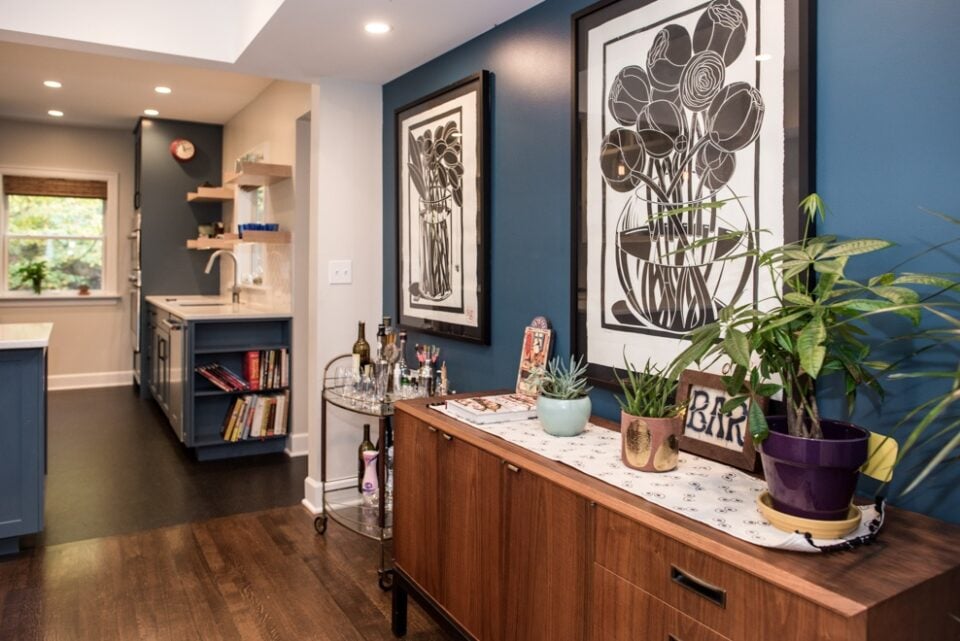
Your needs. Your style. Your perfectly integrated addition.
Our team collaborates closely with you from design to completion, handling every detail and offering clear, consistent communication. With a precise 3D model, you’ll clearly visualize your new addition before construction starts. Your dedicated lead carpenter ensures a seamless building process, completed on time and within your budget.

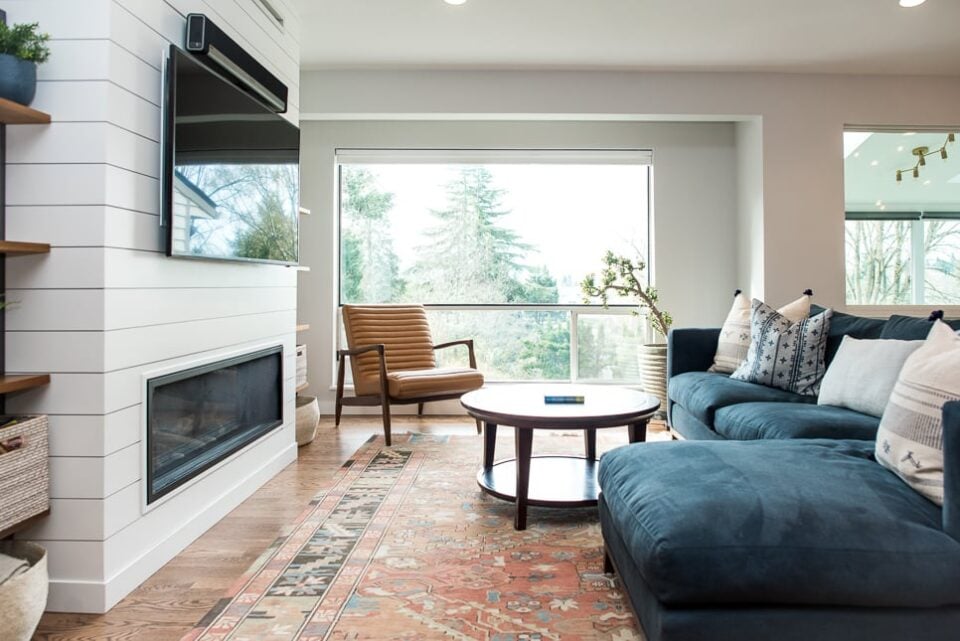
Home Addition Ideas
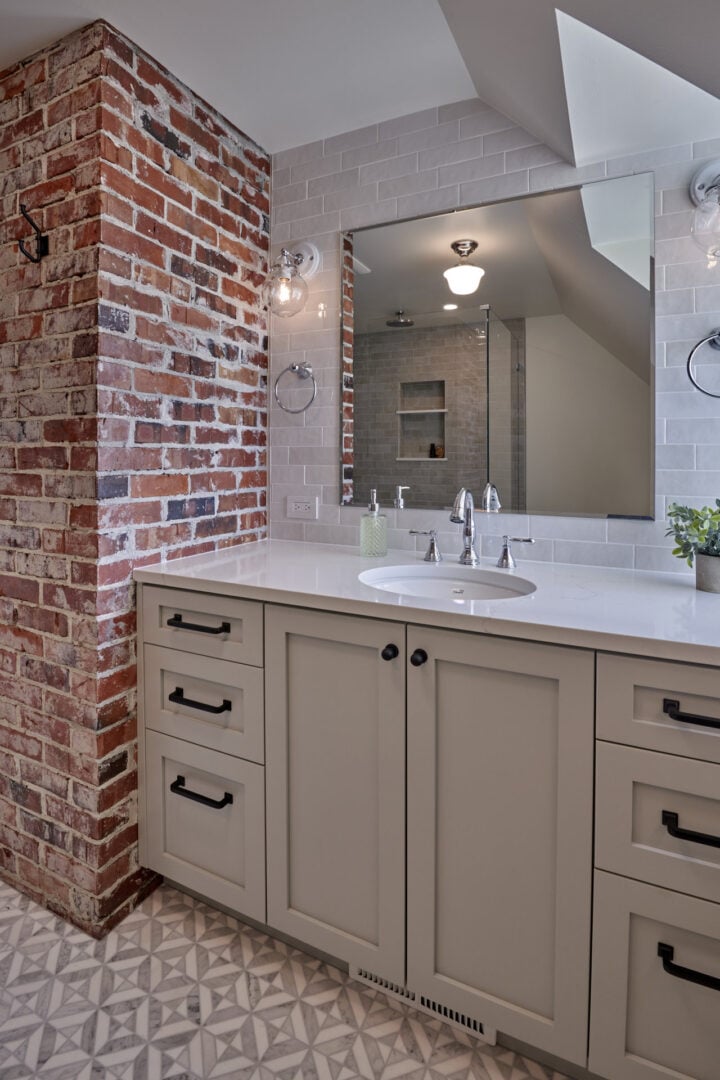
Primary Suite Additions
Create a private, luxurious retreat right in your home.

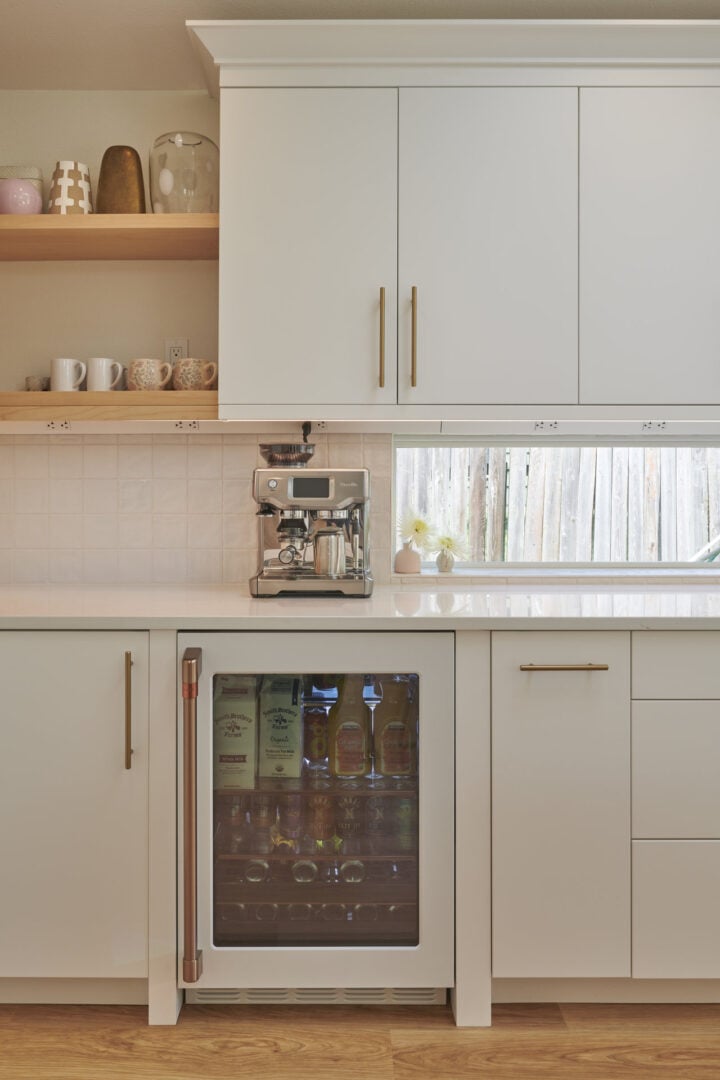
Kitchen Expansions
Create an inviting gathering place for family and friends.
Second-Story Additions
Maximize your home’s space and views by building upward.
Dormer Additions
Add character, natural light, and valuable living space with thoughtfully designed dormers.
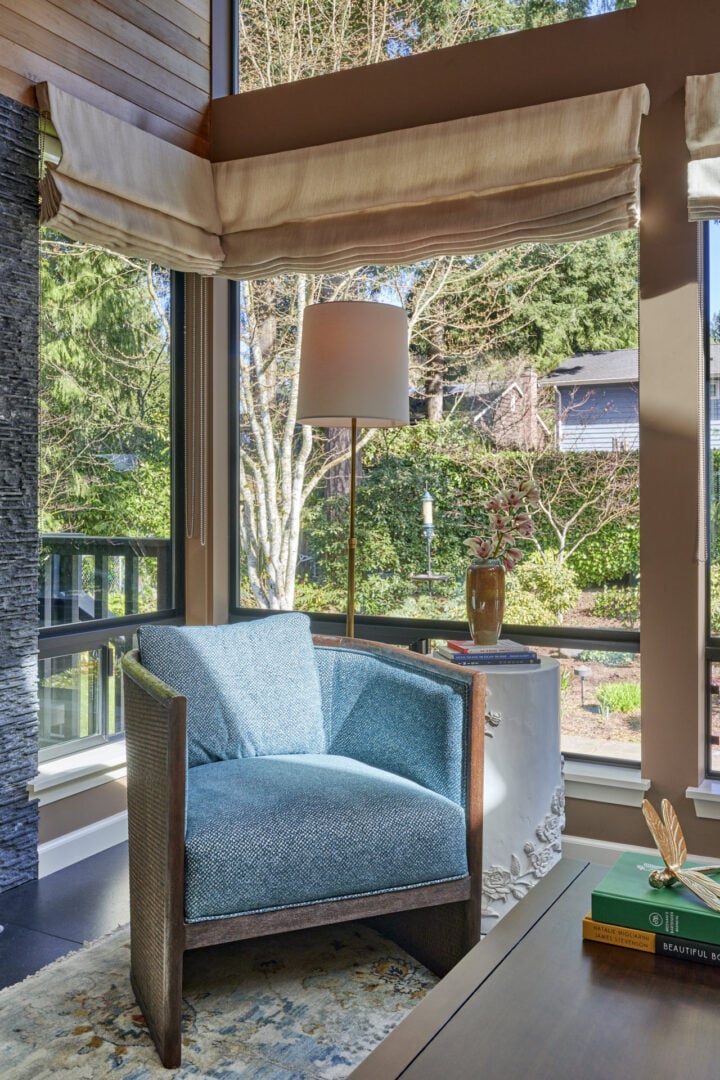
Family Rooms & Great Rooms
Build comfortable, spacious areas where everyone can gather, relax, and connect.
In-Law Suites & Guest Spaces
Provide welcoming, private accommodations for guests or multi-generational living.
Garage Additions
Enhance your home’s functionality with additional storage, workspace, or living areas above or alongside a garage.
Outdoor Living Spaces
Create beautiful, functional outdoor areas that naturally extend your home’s living space.


Our design-build approach is the most efficient way to add on to your home.
With our streamlined design-build process, you'll receive accurate upfront pricing and consistent communication from design through construction. Our dedicated in-house team ensures your addition blends seamlessly with your home and lifestyle, eliminating surprises along the way.
View Our Process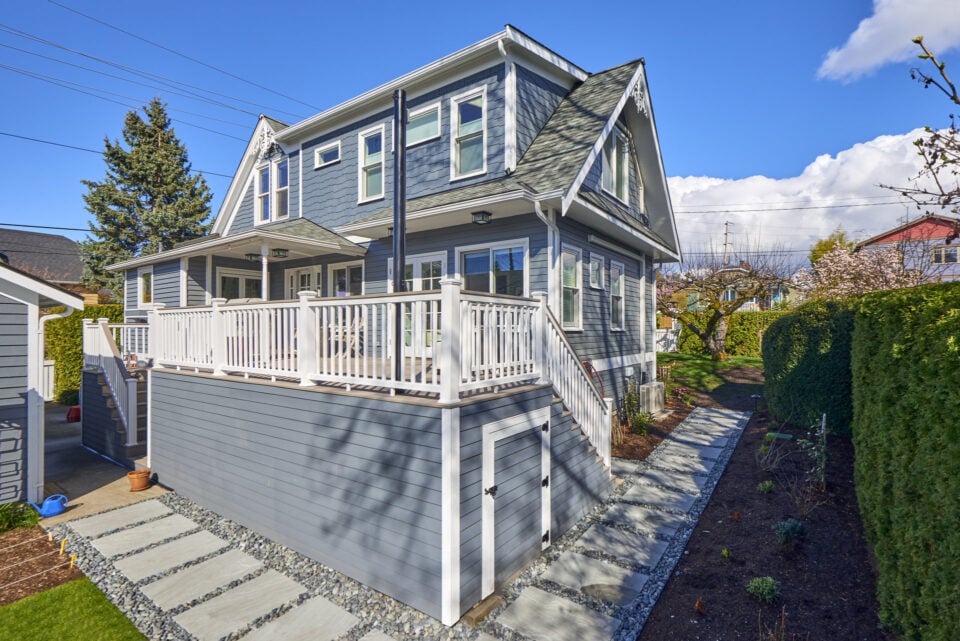
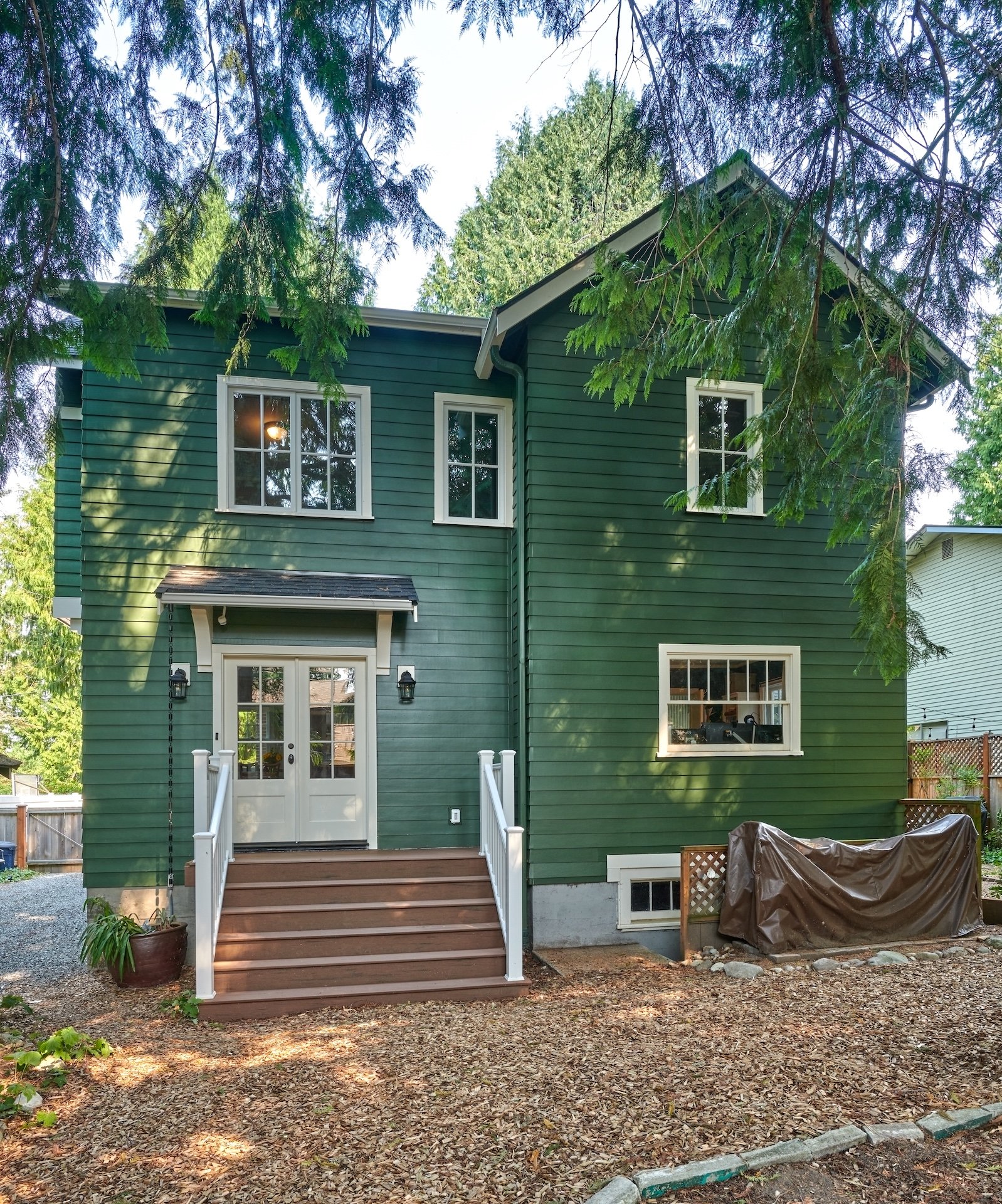
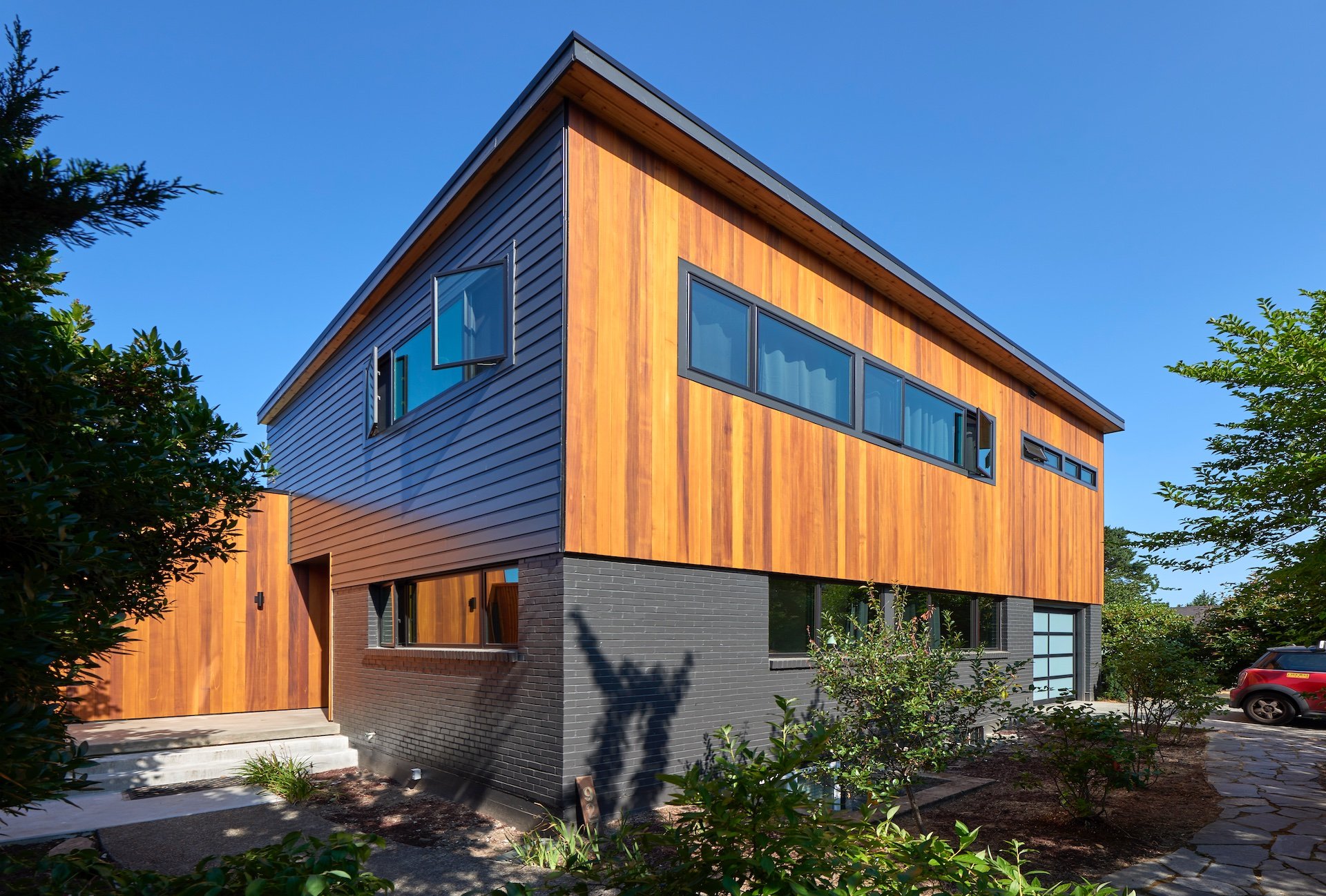
Remarkable Home Addition Transformations





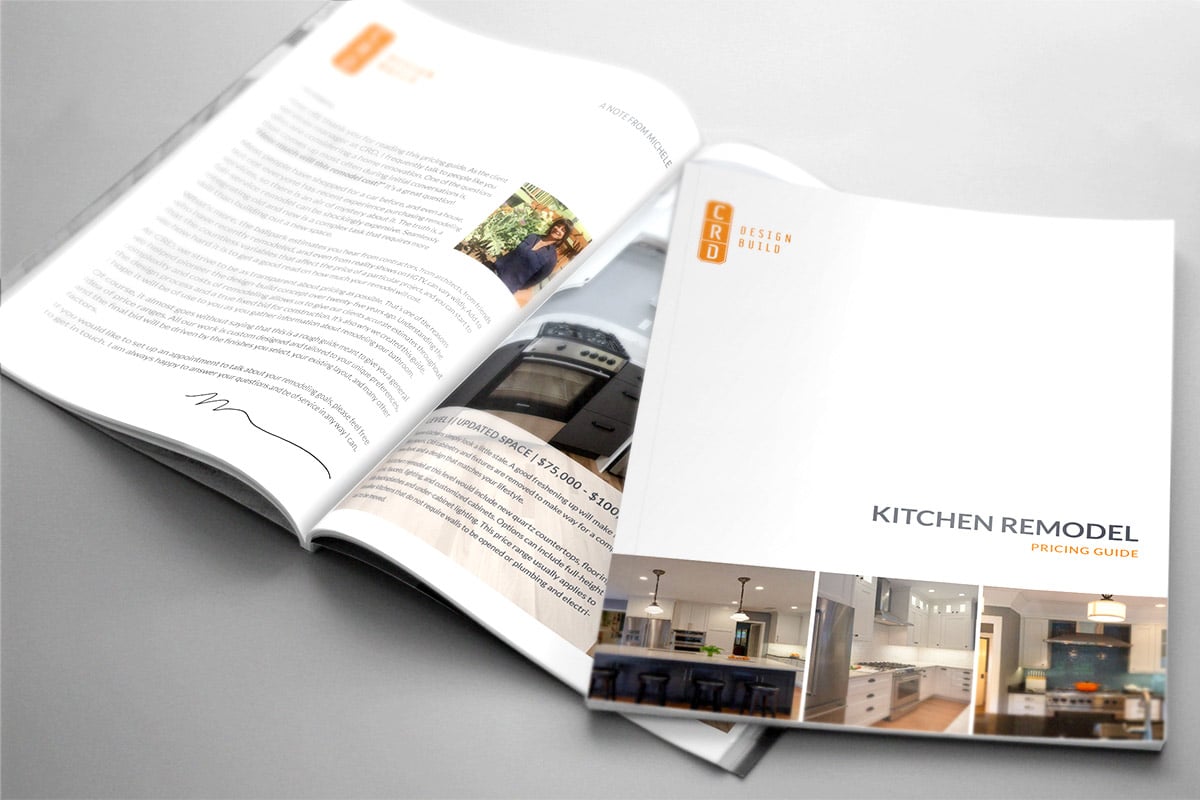
How much will your home addition cost?
Recent Addition Projects
View All
Client-Centered Home Addition Design & Build
24-Month Warranty
Our warranty provides you with complete peace of mind for two years from your signed construction agreement, double the industry standard.On Time, On Budget
A CRD team leader manages your project daily, ensuring timely completion without unexpected surprises.Concierge Design Services
Personalize your space with help from our award-winning interior designers at our Ravenna location.Fixed, Fair Pricing
All project details and costs are determined upfront, guaranteeing no surprises when construction begins.


Frequently Asked Home Additions Questions
How long does a home addition take to build?
A home addition with CRD typically takes six to twelve months from design through construction completion. The design phase for additions is more involved than a standard remodel because it often requires architectural drawings, structural engineering, and coordination with Seattle’s zoning and permitting requirements.
Permitting for additions in Seattle can take six to ten weeks, depending on your neighborhood and the scope of the project. Your Project Manager will provide a detailed construction schedule before work begins.
Will a home addition affect my property taxes?
Adding square footage to your home will likely increase its assessed value, which can affect your property taxes. King County assessors typically update property values after permitted construction is completed. The amount of increase depends on the size and quality of the addition relative to your existing home.
While we can’t provide tax advice, many of our clients find that the added living space and increased home value far outweigh the modest tax increase. We recommend consulting with a tax professional if you have specific concerns.
Will I have to move out during a home addition?
In some cases, no. However, most large and complex additions will require that you move out during construction. Structural changes can be very invasive and impact other rooms in your home in unexpected ways. Relocating for construction allows us to keep you safe and to be more effective and efficient.
We can assess the likelihood of having to move out at the beginning of the process so you know well in advance and can start planning.
How much does a home addition cost in Seattle?
Home addition costs in Seattle vary significantly depending on the size and complexity of what you’re adding. A second-story addition or primary suite bump-out typically starts around $400,000, while larger additions that include multiple rooms, a new kitchen, or significant structural work can range from $350,000 to $600,000 or more.
Seattle’s hilly lots and older foundations can add complexity that affects cost. Our free Additions Pricing Guide gives you a realistic breakdown based on local projects, and during the design phase we’ll provide a fixed price before construction begins.
Does CRD warranty its work?
CRD warrants its work for 24 months starting from the time we sign the construction agreement. As the warranty comes to an end we always reach out to clients to let them know in advance in case any last minute fixes need to be made.
What is design build?
Design build is a full-service approach to home remodeling that includes both the design and construction. The design-build approach tends to offer homeowners better efficiency, accountability, communication, and convenience for their home remodeling project.
What happens in the design process? How long does it take?
Our design process is divided into three steps: Schematic Design, Design Development and Construction Agreement.
Your design journey with CRD will begin with the Schematic Design phase in which we learn more about your goals, take measurements of your home, and gather ideas. During a series of meetings, your designer and architect will get your feedback on initial floor plans and design direction. As we develop an ideal scope of work, you will then have the opportunity to review preliminary pricing at the Schematic Estimate Meeting. Open and honest conversation about budget tracking is the foundation of CRD’s proven process and will give you the confidence and clarity to move forward.
This is followed by a series of Design Development meetings, where you will further refine your design. At the Letter of Intent Meeting, you will review updated pricing and make the decision to move forward with construction.
Finally, at the Construction Agreement meeting, you will have the opportunity to review your final pricing and construction documents before signing a fixed-price construction agreement. From there, construction begins, and soon you will be enjoying your remodeled space.
The design process timeline will differ depending on the size of the project.
See Also: The CRD Design Build Process
How much will my remodel cost?
Prices vary widely depending on the area of the house being remodeled, how old the house is, and if any major structural alterations need to be done to the existing home to achieve the design goal.
See also: Pricing Guides
What happens if we go over budget?
CRD is a fixed price construction company. We set a fixed cost once the design is finalized. There are two reasons the cost may change during construction: unforeseen conditions and the client. Unforeseen conditions uncovered during construction are common when remodeling old homes, but we have a proven process to quickly identify and solve potential hurdles. The other way the budget would change would be if the client decides to change the design after construction has begun.
What is a Project Manager and does my project need one?
A Project Manager helps gets your project out of design and smoothly into construction. They work with the entire production team on ensuring your project is always moving forward.
See also: Meet the CRD Team
Curious how an addition can improve your home and lifestyle?
Let's Talk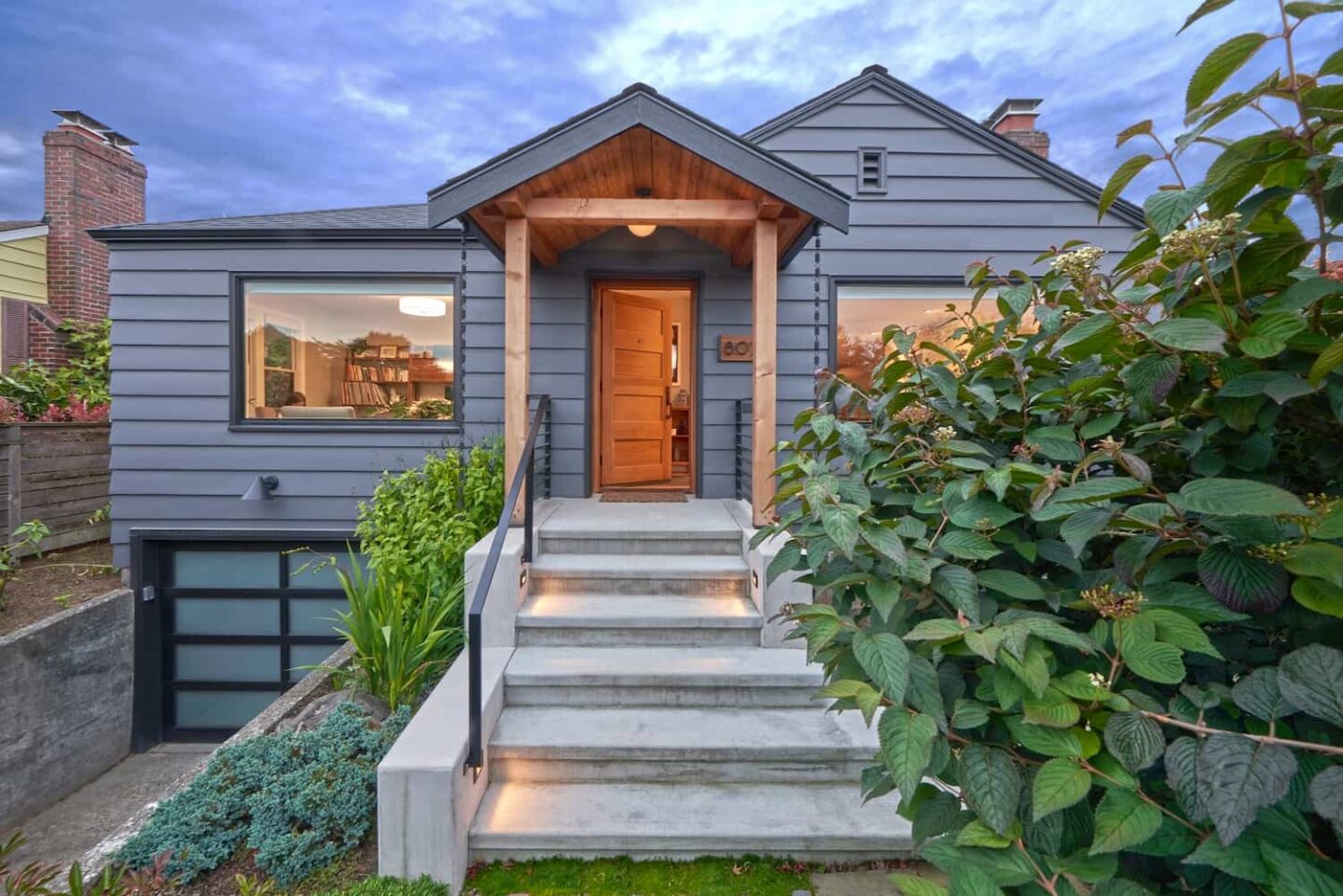
Start the Conversation
Are you ready to explore a Addition remodel? Tell us about your project, and we'll reach out to you quickly with more information and a no-obligation estimate.